
The 2017 Ford Focus offered drivers a compelling blend of practicality and driving enjoyment‚ with a readily available 6-speed manual transmission option.
This guide delves into the specifics of this transmission‚ exploring its compatibility with various engine choices and addressing the issues surrounding the alternative PowerShift transmission.
Understanding the manual transmission’s nuances is crucial for owners seeking a more engaging driving experience and avoiding the reliability concerns associated with the automated dual-clutch system.
Overview of the 2017 Ford Focus
The 2017 Ford Focus arrived as a compact car presenting a variety of trims – SE‚ SEL‚ and Titanium – each catering to different driver preferences. It was available in both sedan and hatchback body styles‚ enhancing its versatility. Engine options included a 1.0-liter EcoBoost‚ a 1.6-liter Ti-VCT‚ and a 2.0-liter Ti-VCT‚ each offering a unique balance of power and efficiency.
Notably‚ the 2017 Focus provided buyers with a choice of transmissions. While the controversial PowerShift dual-clutch automatic was available‚ a traditional 6-speed manual transmission remained a popular and often preferred option‚ particularly for those prioritizing driver control and long-term reliability. The manual was paired with the 1.0-litre EcoBoost‚ 1.6-litre Ti-VCT‚ and 2.0-litre Ti-VCT engines.
Ford marketed the Focus as a fuel-efficient and technologically advanced vehicle‚ featuring available features like the SYNC 3 infotainment system. However‚ the shadow of the PowerShift transmission issues loomed large‚ making the manual transmission a more attractive proposition for many consumers seeking peace of mind.
Focus Manual Transmission Options
For the 2017 Ford Focus‚ the available manual transmission was a 6-speed unit‚ designed to provide a direct and engaging driving experience. This transmission was offered as standard equipment on select trims and engine combinations‚ giving buyers a tangible connection to the vehicle’s performance.
Specifically‚ the 6-speed manual was paired with the 1.0-litre EcoBoost engine‚ offering a fuel-efficient and responsive option. It was also available with the 1.6-litre Ti-VCT and the 2.0-litre Ti-VCT engines‚ providing varying levels of power and torque for different driving styles. The manual transmission was exclusively front-wheel drive.
Choosing the manual transmission meant bypassing the potential issues associated with the PowerShift dual-clutch automatic‚ a significant consideration for many buyers. This 6-speed manual offered a more traditional driving feel‚ appealing to enthusiasts and those seeking a simpler‚ more reliable powertrain configuration within the 2017 Focus lineup.

Engine Choices and Transmission Compatibility
The 2017 Ford Focus offered several engine options‚ each with varying compatibility with the 6-speed manual transmission‚ impacting performance and fuel efficiency.
1.0-litre EcoBoost Engine & Manual Transmission
The 1.0-litre EcoBoost engine‚ available in 100 and 125 PS variants‚ presented a popular choice for 2017 Ford Focus buyers seeking fuel efficiency. When paired with the 6-speed manual transmission‚ this combination delivered a surprisingly engaging driving experience‚ despite its small displacement.
The manual gearbox allowed drivers to fully exploit the engine’s turbocharger‚ providing responsive acceleration and decent performance for everyday driving. This pairing was particularly well-suited for urban environments and longer commutes where maximizing fuel economy was a priority.
However‚ it’s important to note that the 1.0-litre EcoBoost‚ while efficient‚ wasn’t designed for outright speed. Drivers expecting high-performance acceleration might find it somewhat lacking‚ especially when fully loaded or tackling steep inclines. Nevertheless‚ the manual transmission enhanced the overall driving pleasure and control compared to the available automatic options.
1.6-litre Ti-VCT Engine & Manual Transmission
The 1.6-litre Ti-VCT engine‚ offered in 85‚ 105‚ and 125 PS configurations‚ provided a step up in performance compared to the 1.0-litre EcoBoost when coupled with the 6-speed manual transmission in the 2017 Ford Focus. This engine offered a more balanced driving experience‚ suitable for a wider range of driving conditions.
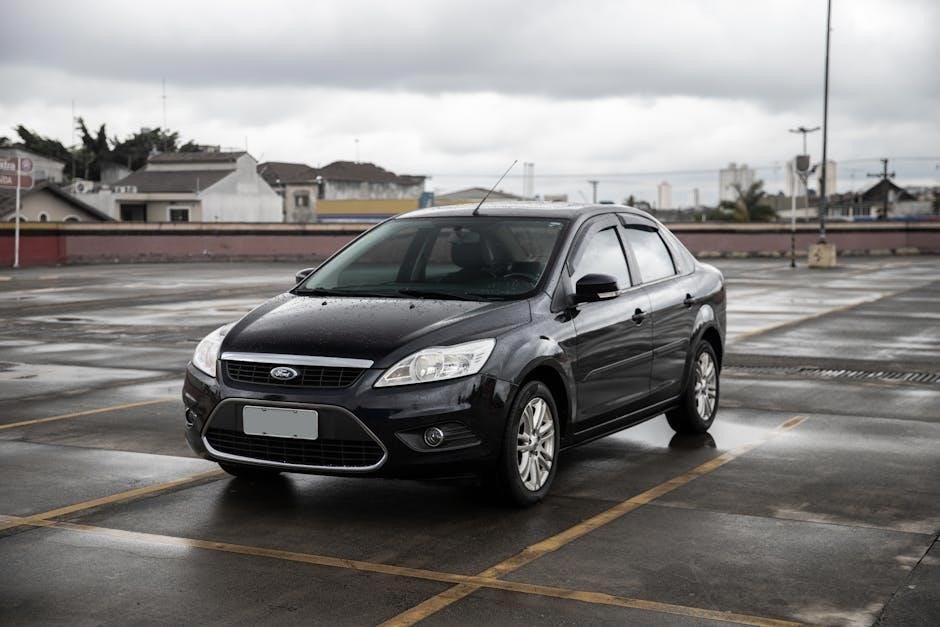
The manual gearbox complemented the Ti-VCT engine well‚ allowing for precise gear changes and improved driver control. It provided a more connected feel‚ particularly appreciated by enthusiasts who preferred a traditional driving experience. Fuel economy remained respectable‚ though slightly lower than the smaller EcoBoost engine.
This combination proved popular for drivers who desired a bit more power for highway driving or carrying passengers and cargo. The 1.6-litre Ti-VCT with a manual transmission offered a solid all-around package‚ balancing performance‚ efficiency‚ and driving enjoyment.
2.0-litre Ti-VCT Engine & Manual Transmission
The 2.0-litre Ti-VCT engine‚ when paired with the 6-speed manual transmission in the 2017 Ford Focus‚ represented the performance peak for those opting for a traditional gearbox. This engine delivered a noticeable increase in power and torque compared to the 1.6-litre variant‚ offering a more spirited driving experience.
The manual transmission allowed drivers to fully exploit the 2.0-litre engine’s capabilities‚ providing precise control over gear selection and maximizing acceleration. While fuel economy wasn’t the primary focus with this configuration‚ it remained acceptable for a naturally aspirated engine of this size.
This combination was particularly appealing to drivers who prioritized performance and enjoyed the engaging feel of a manual gearbox. It offered a compelling alternative to the PowerShift automatic‚ avoiding the reliability concerns associated with that transmission.
Detailed Look at the 6-Speed Manual Transmission
The 6-speed manual in the 2017 Ford Focus provides a direct connection between engine and wheels‚ offering precise control and a satisfying driving experience for enthusiasts.
Gear Ratios and Performance Characteristics
The 2017 Ford Focus’s 6-speed manual transmission is geared to balance responsiveness with fuel efficiency. While specific ratios vary slightly depending on the engine paired with it‚ the overall design prioritizes a usable powerband for everyday driving. First gear provides ample torque for launching from a stop‚ while the closely spaced middle gears (2nd-5th) allow for brisk acceleration during overtaking or merging onto highways.
The sixth gear is notably taller‚ designed for relaxed cruising at highway speeds‚ contributing to improved fuel economy by reducing engine RPM. This configuration delivers a noticeable improvement in driver engagement compared to automatic options. The transmission’s characteristics complement the engine’s output‚ offering a lively and connected feel. The manual transmission allows drivers to fully exploit the engine’s power‚ resulting in a more dynamic and enjoyable driving experience.
Common Issues and Maintenance
The 2017 Ford Focus manual transmission‚ while generally reliable‚ isn’t entirely without potential issues. A common complaint revolves around the clutch master cylinder‚ which can sometimes develop leaks leading to a soft or unresponsive pedal. Regular inspection of the clutch lines and master cylinder for any signs of fluid loss is crucial preventative maintenance.
Shift linkage wear can also occur over time‚ resulting in imprecise shifting. Maintaining proper fluid levels‚ though less frequent than with automatics‚ is still important. Using the correct transmission fluid type‚ as specified in the owner’s manual‚ is essential. Addressing any unusual noises or vibrations promptly can prevent more significant and costly repairs down the line. Proactive maintenance ensures the longevity and smooth operation of the manual transmission.
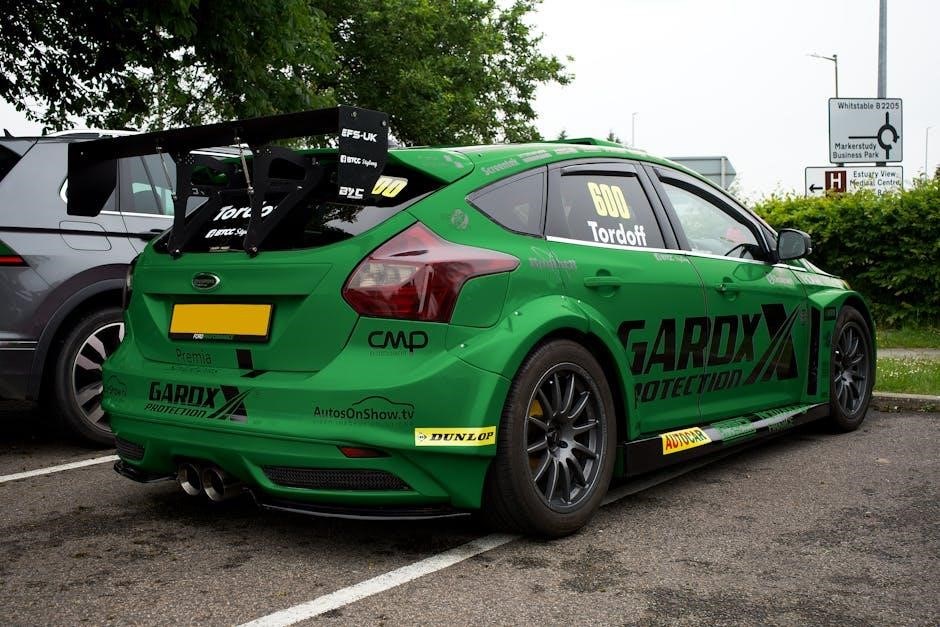
The PowerShift Transmission Controversy (and why the manual is preferred)
The PowerShift dual-clutch transmission faced widespread criticism for its reliability‚ prompting lawsuits and recalls; the manual transmission emerged as a dependable alternative for Focus drivers.
Understanding the PowerShift Dual-Clutch Transmission
The PowerShift‚ a 6-speed automatic transmission‚ was designed to offer fuel efficiency comparable to a manual while providing the convenience of an automatic. However‚ it differed significantly from traditional automatics‚ utilizing two separate clutches for odd and even gears. This design allowed for quicker shifts and smoother transitions‚ theoretically improving performance and economy.
Essentially‚ while one gear is engaged‚ the next anticipated gear is pre-selected on the other clutch‚ enabling near-instantaneous gear changes. Ford implemented this system in the 2017 Focus‚ aiming to provide a more dynamic driving experience. However‚ the execution proved problematic‚ with numerous reports of shuddering‚ slipping‚ and harsh shifting‚ ultimately leading to significant consumer dissatisfaction and legal challenges. The complexity of the system contributed to its susceptibility to failures.
Lawsuits and Reliability Concerns Regarding PowerShift
The PowerShift transmission became the subject of extensive litigation‚ with owners filing numerous lawsuits alleging significant defects; These complaints centered around issues like shuddering during low-speed driving‚ delayed engagement‚ and a tendency to jerk violently during gear changes. Several class-action lawsuits were filed‚ claiming Ford knew about these problems but failed to adequately address them.
Owners reported experiencing difficulties with basic driving maneuvers‚ and some vehicles required multiple transmission replacements. The core issue stemmed from a faulty torque converter and clutch pack design‚ leading to premature wear and failure. Ford issued several software updates attempting to mitigate the problems‚ but these were largely unsuccessful in resolving the underlying mechanical issues. The ongoing legal battles and widespread reliability concerns significantly damaged the reputation of the 2017 Ford Focus equipped with the PowerShift transmission.

Driving Experience with the 2017 Ford Focus Manual
The 2017 Ford Focus manual provides a noticeably more connected and engaging driving experience‚ offering precise shift quality and improved driver control over the PowerShift.
Shift Quality and Driver Engagement
The 2017 Ford Focus‚ when equipped with the 6-speed manual transmission‚ delivers a distinctly more engaging driving experience compared to models featuring the PowerShift dual-clutch system. Drivers consistently report a positive‚ tactile feel during gear changes‚ with a relatively short throw and precise gate selection.
This direct mechanical connection fosters a greater sense of control‚ allowing for more deliberate downshifts and improved engine braking. The manual transmission encourages active participation‚ making the driving experience more rewarding‚ particularly for enthusiasts who appreciate a hands-on approach.
Unlike the sometimes-jerky and unpredictable behavior of the PowerShift‚ the manual offers smooth and consistent shifts‚ enhancing overall driving confidence. This heightened engagement translates to a more enjoyable and connected feel behind the wheel‚ making the 2017 Focus a surprisingly fun-to-drive compact car.
Fuel Economy with the Manual Transmission
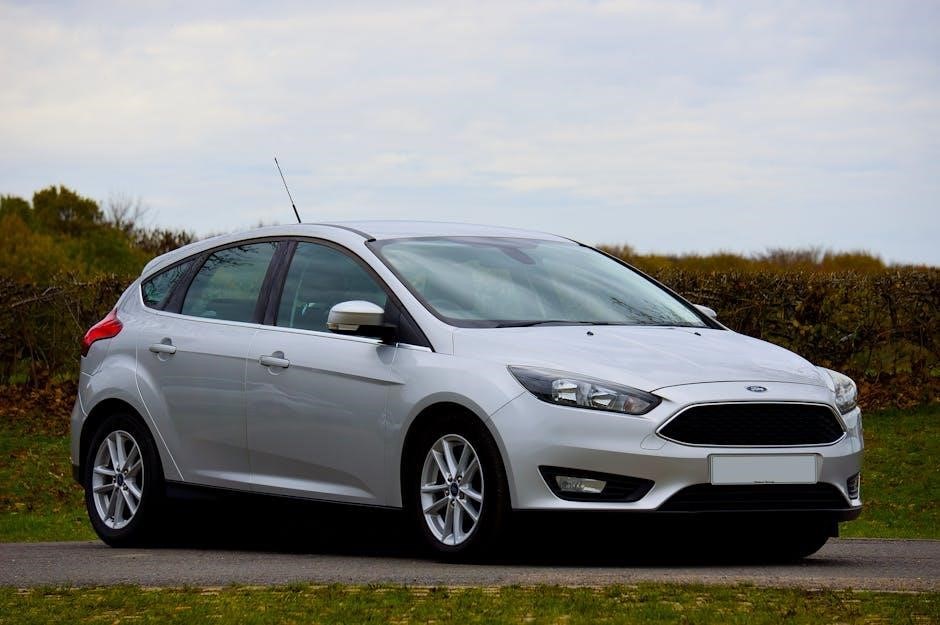
The 2017 Ford Focus with the 6-speed manual transmission generally achieves commendable fuel economy figures‚ often exceeding those of the PowerShift automatic variants. While specific mileage varies based on engine choice and driving conditions‚ the manual allows drivers to optimize fuel consumption through careful gear selection and engine speed management.
The 1.0-litre EcoBoost engine‚ paired with the manual‚ is particularly efficient‚ offering a compelling balance between performance and economy. Drivers can leverage the manual’s control to maintain optimal RPMs for fuel efficiency during highway cruising or city driving.
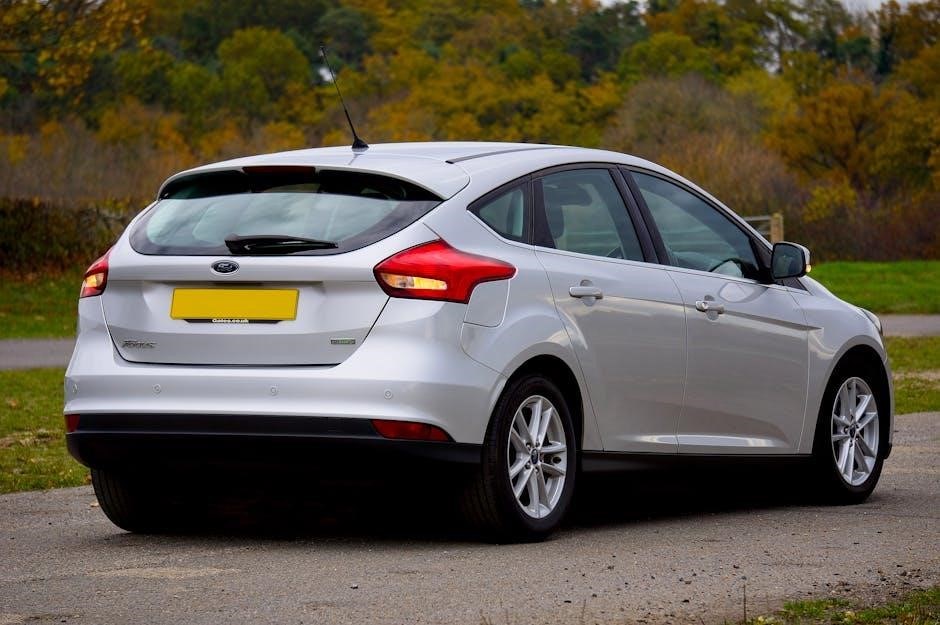
Although Ford touted the PowerShift’s fuel-saving capabilities‚ real-world results often fell short of expectations. The manual transmission provides a more predictable and consistently efficient driving experience‚ appealing to budget-conscious drivers and those prioritizing environmental responsibility.
Maintenance and Repair of the 2017 Ford Focus Manual Transmission
Regular fluid checks and changes are vital for longevity‚ alongside addressing any unusual noises or shifting issues promptly to prevent costly repairs.
Fluid Checks and Changes
Maintaining the correct fluid level in your 2017 Ford Focus manual transmission is paramount for smooth operation and preventing premature wear. Unlike some modern vehicles‚ the manual transmission doesn’t have a specified fluid change interval in the traditional sense; however‚ regular inspection is crucial.
Check the fluid level periodically – ideally every 6 months or 6‚000 miles – using the dipstick located on the transmission. The fluid should be at the “full” mark when the engine is warm and the vehicle is on level ground. Look for a bright‚ honey-like color; dark or burnt-smelling fluid indicates contamination and the need for a change.
Fluid changes are typically recommended if the fluid appears degraded or if you’ve experienced issues like difficult shifting. Use only the Ford-specified manual transmission fluid (typically Motorcraft XT-M5-QS) to ensure compatibility and avoid damaging internal components. A complete fluid change usually involves draining the old fluid‚ replacing the drain plug washer‚ and refilling with the correct amount of new fluid.
Potential Repair Costs
Repair costs for the 2017 Ford Focus manual transmission can vary significantly depending on the issue and the mechanic’s labor rates. Minor repairs‚ such as replacing a worn shift linkage or a damaged clutch cable‚ might range from $200 to $500. However‚ more substantial problems can quickly escalate costs.
Clutch replacement is a common repair‚ typically costing between $800 and $1‚500‚ including parts and labor. Synchronizer issues‚ leading to difficulty shifting into specific gears‚ can require a transmission rebuild‚ potentially costing $1‚500 to $3‚000 or more.
Complete transmission replacement‚ while less common‚ can exceed $2‚000‚ including the cost of a new or remanufactured unit and installation. Diagnostic fees‚ often around $100-$200‚ are also a factor. Obtaining quotes from multiple reputable mechanics is advisable to ensure fair pricing and quality workmanship.