
The 5․3 manual transmission presents unique challenges, often requiring specific crankshaft machining and bearing installations, like the Camaro bearing, for optimal performance․
Overview of the 5․3 Engine and Manual Transmission Combination
The pairing of the 5․3-liter engine with a manual transmission, while less common in factory configurations like the Silverado, offers a compelling blend of power and driver engagement․ Often found in applications like the Camaro, this combination demands careful consideration of component compatibility․ Notably, the 5․3 crankshaft typically requires machining to accommodate manual transmission setups, specifically for accepting larger diameter bearings – a practice frequently associated with the 2010 Camaro bearing․
This modification is crucial because the standard 5․3 crankshaft isn’t inherently designed for manual transmission use․ Successfully integrating a manual transmission necessitates addressing these mechanical differences to ensure smooth operation and prevent premature wear․ Ignoring these requirements can lead to performance issues and potential transmission damage․
Popularity and Applications (Silverado, Camaro, etc․)
While the 5․3 engine is widely recognized in Chevrolet trucks like the Silverado, a manual transmission option was less prevalent from the factory․ This combination gains significant traction within the aftermarket modification scene, appealing to enthusiasts seeking a more connected driving experience․ The Camaro, particularly certain model years, frequently features the 5․3 paired with a manual gearbox, establishing a benchmark for performance․
Owners of Silverados often undertake swaps to install manual transmissions, driven by a desire for greater control․ However, these conversions require meticulous attention to detail, including addressing crankshaft compatibility․ Discussions online highlight instances of stumbling after shifts, indicating the importance of proper tuning and component matching within these applications․
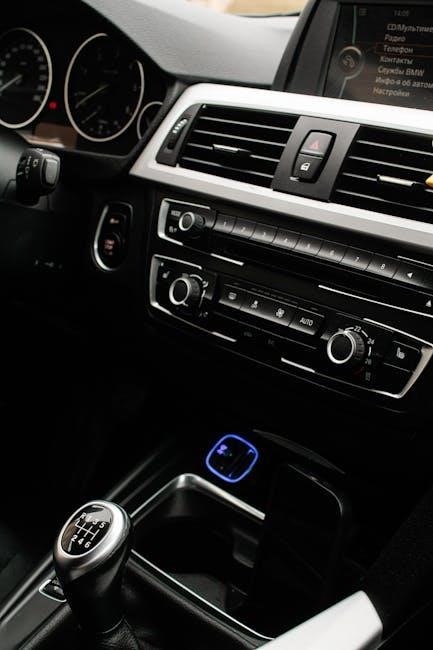
Mechanical Components of the 5․3 Manual Transmission
The 5․3 manual transmission features a robust casing, carefully selected gear sets for specific ratios, and durable shafts supported by precision bearings for reliable operation․
Casing and Housing
The 5․3 manual transmission’s casing and housing are critical components, designed to withstand significant torque and stress․ Constructed typically from cast iron, the housing provides a rigid structure protecting the internal gears, shafts, and bearings․ Its design incorporates specific mounting points for secure attachment to the vehicle’s chassis․
Proper housing integrity is paramount; cracks or damage can lead to oil leaks and ultimately, transmission failure․ The casing also plays a role in dissipating heat generated during operation․ Reinforcements are often present in high-stress areas, particularly around the gear tower and input/output shaft openings․ Careful inspection for signs of wear, corrosion, or structural compromise is essential during maintenance and repair procedures․ A damaged housing often necessitates complete transmission replacement or extensive professional repair․
Gear Sets and Ratios
The 5․3 manual transmission’s gear sets dictate the vehicle’s acceleration, top speed, and overall driving experience․ These sets comprise various sized gears, meticulously engineered for efficient power transfer․ Common ratios vary depending on the intended application – Silverado trucks prioritize towing, while Camaros favor performance․
First gear provides high torque for initial acceleration, while higher gears offer improved fuel economy at cruising speeds․ The selection of gear ratios significantly impacts engine RPM at different vehicle speeds․ Careful consideration is given to gear tooth profiles to minimize noise and maximize durability․ Worn or damaged gear teeth result in slipping, grinding, and reduced performance, necessitating replacement․ Proper lubrication is crucial for minimizing wear and ensuring smooth gear engagement․
Shafts and Bearings
Within the 5․3 manual transmission, shafts transmit rotational power from the gears to the output, while bearings facilitate smooth rotation and reduce friction․ Main shafts and countershafts are critical components, manufactured to exacting tolerances․ Bearings, including ball and roller types, support these shafts, absorbing radial and axial loads․
Bearing failure often manifests as whining or grinding noises․ Proper lubrication is paramount for bearing longevity, preventing premature wear and potential transmission damage․ Shafts must be straight and free from damage to ensure efficient power transfer․ Worn bearings contribute to gear misalignment and reduced performance․ Regular inspection and replacement of worn shafts and bearings are essential for maintaining transmission reliability and preventing catastrophic failure․

Specific 5․3 Crankshaft Considerations for Manual Transmissions
The 5․3 crankshaft often requires machining for manual transmission compatibility, specifically accepting the larger diameter bearing found in 2010 Camaro applications․
Crankshaft Machining Requirements
Successfully pairing a 5․3 engine with a manual transmission frequently necessitates crankshaft machining․ The factory 5․3 crankshaft isn’t initially prepared to accommodate a manual transmission’s pilot bearing requirements․ Specifically, the center bore often needs enlargement to accept the correct pilot bearing size․ This machining process ensures proper alignment and smooth engagement with the transmission’s input shaft, preventing premature wear and potential damage․
Precision is paramount during this machining operation; improper sizing can lead to instability and vibration․ It’s crucial to utilize a qualified machine shop experienced with LS engine modifications․ Furthermore, verifying proper runout after machining is essential to guarantee a balanced and reliable drivetrain․ Ignoring these requirements can result in significant performance issues and costly repairs down the line․
Large Diameter Bearing Installation (Camaro Bearing)
When adapting a manual transmission to a 5․3 engine, a common modification involves installing a larger diameter pilot bearing, often referred to as the “Camaro bearing․” This bearing, originally designed for 2010 Camaro applications, offers improved durability and a more secure fit within the crankshaft’s pilot bore after machining․ It addresses the shortcomings of the standard bearing when used with manual transmissions․
Proper installation is critical․ The crankshaft must be accurately machined to accept the larger bearing’s outer diameter․ Careful attention should be paid to bearing depth and alignment to prevent binding or excessive play․ Using a specialized installation tool is highly recommended to avoid damage during the process, ensuring a reliable connection between the engine and transmission․
Bearing Compatibility Issues
Selecting the correct bearings is paramount when installing a manual transmission with a 5․3 engine․ Incompatibility can lead to premature failure and significant drivetrain damage․ The standard 5․3 crankshaft isn’t initially machined for a manual transmission’s pilot bearing requirements, necessitating the use of a larger diameter bearing, like the Camaro bearing, after proper machining․
Issues arise if the incorrect bearing size or type is used, or if the crankshaft machining is inaccurate․ This can cause misalignment, excessive stress on the transmission input shaft, and ultimately, bearing failure․ Ensuring the bearing’s inner diameter matches the transmission input shaft and the outer diameter fits the machined crankshaft bore is crucial for long-term reliability․

Common Problems with 5․3 Manual Transmissions
Frequent issues include slipping gears, strange operational noises, and stumbling after shifts, potentially stemming from electrical faults or mechanical wear within the system․
Slipping Gears
Slipping gears in a 5․3 manual transmission represent a significant operational concern, often indicating internal wear or damage within the gearbox․ This manifests as the engine revving without a corresponding increase in vehicle speed, or a momentary loss of power during acceleration․ Several factors can contribute to this issue, including worn synchronizers, damaged gear teeth, or a failing clutch system․
Insufficient or contaminated manual transmission fluid (MTF) can also exacerbate the problem, reducing lubrication and increasing friction between moving parts․ In severe cases, broken gear teeth or a compromised shift fork can cause persistent slipping․ Diagnosing the root cause requires a thorough inspection of the transmission’s internal components, checking for wear patterns and damage․ Addressing slipping gears promptly is crucial to prevent further damage and potential transmission failure․
Strange Noises During Operation
Strange noises emanating from a 5․3 manual transmission during operation are often indicative of underlying mechanical issues demanding immediate attention․ These sounds can range from whining or humming to grinding or clunking, each potentially signaling a different problem․ Worn bearings are a common culprit, producing a whining sound that increases with vehicle speed․
Grinding noises, particularly during gear changes, often point to damaged synchronizers or worn gear teeth․ A clunking sound could indicate loose internal components or issues with the shift linkage․ Ignoring these noises can lead to catastrophic transmission failure․ Proper diagnosis involves carefully identifying the type of noise, when it occurs, and its relation to vehicle speed and gear selection, necessitating a detailed internal inspection;
Poor Performance and Stumbling After Shifts
Poor performance and a noticeable stumble immediately following shifts in a 5․3 manual transmission can be frustrating and indicative of several potential issues․ One common cause, as reported by users, is a mismatch between the engine’s power delivery – specifically with modified camshafts – and the transmission’s gearing․ This can create a momentary loss of power during the transition․
Other contributing factors include a worn or improperly adjusted clutch, leading to incomplete engagement․ Issues with the transmission’s internal components, such as worn synchronizers or damaged gears, can also manifest as stumbling․ Diagnostic steps should include verifying clutch operation, checking for any transmission-related DTCs, and a thorough inspection of internal components to identify any wear or damage․

Electrical Issues Affecting 5․3 Manual Transmissions
Electrical problems, including TCM issues and sensor malfunctions (like speed sensors), can disrupt 5․3 manual transmission operation, triggering diagnostic trouble codes․
Transmission Control Module (TCM) Problems
The Transmission Control Module (TCM) is the brain behind the operation of your 5․3 manual transmission, even though it’s a manual system․ While seemingly less critical than in automatics, a malfunctioning TCM can still introduce significant issues․ Incorrect configuration, particularly when attempting to disable transmission DTCs or select a manual transmission profile, can lead to operational problems․
These issues manifest as poor performance, stumbling after shifts, or even complete transmission failure․ The TCM relies on accurate sensor data; if it receives corrupted or missing signals, it can misinterpret the driver’s intentions or the transmission’s state․ Proper diagnosis requires scanning for DTCs and verifying the TCM’s functionality․ Sometimes, simply resetting the TCM or performing a software update can resolve the issue, but in severe cases, TCM replacement may be necessary․
Sensor Malfunctions (Speed Sensors, etc․)
Even with a manual transmission, the 5․3 engine relies on various sensors for optimal performance and accurate data reporting to the engine control unit (ECU)․ Critical sensors include vehicle speed sensors (VSS) and potentially others used for monitoring drivetrain operation․ A failing VSS can cause inaccurate speed readings, impacting engine timing and fuel delivery, leading to stumbling or poor performance after shifts․
Other sensor malfunctions can indirectly affect the transmission experience․ Diagnostic Trouble Codes (DTCs) related to these sensors should be investigated promptly․ Proper diagnosis involves using a scan tool to monitor sensor data in real-time and verifying its accuracy against expected values․ Replacing faulty sensors is often a straightforward repair, restoring proper functionality․
Diagnostic Trouble Codes (DTCs) and Troubleshooting
When addressing 5;3 manual transmission issues, utilizing a scan tool to retrieve Diagnostic Trouble Codes (DTCs) is crucial․ Codes can pinpoint sensor malfunctions, like speed sensors, or indicate internal transmission problems․ However, interpreting DTCs requires caution; a code only identifies a symptom, not necessarily the root cause․
Troubleshooting involves verifying the code’s description, inspecting related components, and performing further tests․ For example, a transmission-related DTC might necessitate checking fluid levels (though less common with manuals), inspecting clutch components, or examining wiring harnesses for damage․ Disabling DTCs without addressing the underlying issue is not recommended, as it masks potential problems․
Quickshifter Compatibility and Potential Damage
Quickshifters demand careful setup; incorrect use can severely damage the 5․3 manual transmission; Enabling the function within the TCM is absolutely necessary for operation․
Quickshifter Functionality and Requirements
A quickshifter facilitates seamless upshifts without clutch engagement, interrupting ignition momentarily to allow gear changes․ However, its successful implementation with a 5․3 manual transmission isn’t automatic․ The system requires precise calibration and, crucially, must be explicitly enabled within the Transmission Control Module (TCM);
Without proper TCM configuration, the quickshifter will not function, and attempting to use it could lead to transmission damage․ Furthermore, the quickshifter’s effectiveness is tied to the overall health and condition of the transmission components, including the clutch and synchronizers․ A worn clutch, for example, will diminish the quickshifter’s performance․ Correct installation and adherence to manufacturer guidelines are paramount for reliable operation․
Risks of Incorrect Quickshifter Use
Employing a quickshifter improperly on a 5․3 manual transmission carries significant risks, primarily centering around potential transmission damage․ Attempting upshifts at incorrect RPMs, or before the quickshifter function is enabled in the TCM, can induce excessive stress on the gears and synchronizers․ This stress accelerates wear and tear, potentially leading to costly repairs or complete transmission failure․
Furthermore, aggressive or repeated misuse can compromise the integrity of internal components․ Ignoring warning signs, such as grinding or difficulty shifting, is detrimental․ A properly functioning quickshifter demands a skilled operator who understands its limitations and operates within the recommended parameters to avoid catastrophic mechanical issues․
Enabling/Disabling Quickshifter Function
Activating or deactivating the quickshifter on a 5․3 manual transmission necessitates interfacing with the vehicle’s Transmission Control Module (TCM)․ This process isn’t universally standardized and often requires specialized diagnostic tools or software․ Some systems allow for direct enabling/disabling through the TCM, while others may involve modifying specific parameters within the engine control unit (ECU)․
Incorrect configuration can lead to the quickshifter malfunctioning or, critically, remaining active when it shouldn’t be․ Disabling the function is crucial during maintenance or troubleshooting․ Always consult the vehicle’s service manual or a qualified technician to ensure proper setup and avoid unintended consequences or potential damage to the transmission․

Manual Transmission Fluid (MTF) and Maintenance
Regular MTF checks and changes are vital for 5․3 manual transmissions, preventing wear and ensuring smooth operation; fluid leaks should be addressed promptly․
Recommended MTF Types
Selecting the correct manual transmission fluid (MTF) is crucial for the longevity and performance of your 5․3 manual transmission․ Unlike automatic transmissions, manual transmissions have specific fluid requirements due to the direct lubrication of gears and bearings․ Generally, a high-quality GL-4 synthetic MTF is recommended․ Avoid using GL-5 fluids, as they contain additives that can corrode the brass synchronizers commonly found in these transmissions․
Several reputable brands offer suitable MTF options, including Red Line MT-90, Amsoil Synthetic Manual Transmission Fluid, and Motul Gear 300․ These fluids provide excellent shear stability, thermal protection, and wear resistance․ Always consult your vehicle’s owner’s manual or a trusted mechanic for the most accurate fluid specification for your specific 5․3 application, considering factors like year, model, and intended use․
Fluid Change Intervals
Establishing a regular fluid change schedule is paramount for maintaining the health of your 5․3 manual transmission․ While manufacturers often provide vague recommendations, a proactive approach is best․ For typical street use, a fluid change every 30,000 to 50,000 miles is generally advised․ However, if you engage in frequent hard driving, towing, or track use, shortening this interval to 20,000-30,000 miles is prudent․
Regular inspections for leaks and fluid condition are also vital․ Dark, metallic-flecked fluid indicates wear and necessitates an immediate change․ Ignoring fluid maintenance can lead to premature gear wear, synchronizer failure, and ultimately, costly transmission repairs․ Keeping a detailed maintenance log will help you track fluid changes and ensure optimal transmission performance․
Identifying Fluid Leaks
Detecting fluid leaks early is crucial for preventing significant damage to your 5․3 manual transmission․ Regularly inspect the transmission housing, particularly around the input and output shafts, as well as the shift linkage․ Look for wet spots or drips on the floor beneath the vehicle․ The transmission fluid typically has a distinct odor, aiding in identification․
Common leak sources include worn seals, damaged gaskets, and loose drain plugs․ Pay close attention after driving, as heat can exacerbate leaks․ A small, slow leak can quickly escalate into a major issue․ Addressing leaks promptly prevents fluid loss, maintains proper lubrication, and avoids costly repairs down the road․

Clutch System Considerations
Clutch performance is vital with a 5․3 manual transmission; wear necessitates replacement, and systems can be hydraulic or cable-operated, impacting feel and maintenance․
Clutch Type and Performance
Selecting the right clutch for a 5․3 manual transmission significantly impacts overall driving experience and vehicle performance․ Several clutch types are available, each offering distinct characteristics․ Organic clutches provide a softer pedal feel and are suitable for street applications with moderate power levels․ However, they tend to wear faster under aggressive use․
Ceramic clutches offer increased friction and heat resistance, making them ideal for high-horsepower applications and track use․ They typically have a stiffer pedal feel and can be more challenging to engage smoothly․ Hybrid clutches attempt to bridge the gap, combining organic materials with ceramic components for a balance of performance and drivability․
Performance considerations extend beyond the clutch disc material․ Pressure plate clamping force, flywheel weight, and throw-out bearing quality all contribute to clutch performance and longevity․ Matching the clutch to the engine’s power output and intended use is crucial for optimal results․
Clutch Wear and Replacement
Clutch wear is inevitable in a 5․3 manual transmission vehicle, directly correlating with driving habits and usage․ Aggressive driving, frequent stop-and-go traffic, and towing significantly accelerate wear․ Symptoms of a worn clutch include slipping gears, a high pedal engagement point, and difficulty shifting․ Regular inspection is vital for preventative maintenance․
Replacing a clutch is a labor-intensive process, often requiring transmission removal․ It’s recommended to replace the clutch disc, pressure plate, throw-out bearing, and pilot bearing simultaneously for a comprehensive repair․ Flywheel resurfacing or replacement is also advisable to ensure proper clutch engagement․
Ignoring clutch wear can lead to further damage, including warped flywheels and damaged transmission components․ Proactive replacement prevents more costly repairs down the line, maintaining optimal vehicle performance and drivability․
Hydraulic vs․ Cable Clutch Systems
5․3 manual transmission vehicles utilize either hydraulic or cable-operated clutch systems, each with distinct characteristics․ Hydraulic systems, employing a master and slave cylinder filled with fluid, generally offer a lighter pedal feel and more consistent engagement․ They require bleeding to remove air from the lines, a potential maintenance concern․
Cable systems, conversely, use a physical cable connecting the pedal to the clutch fork․ They are simpler in design, potentially more durable, and easier to diagnose․ However, cable stretch and fraying can occur over time, leading to inconsistent pedal feel and engagement․
The choice between systems often depends on the vehicle model and intended use․ Both require periodic inspection and adjustment to ensure optimal performance and prevent premature wear․