
Prentice Hall World History Textbook PDF: A Comprehensive Overview (as of 02/07/2026)
Prentice Hall’s world history texts‚ spanning various editions‚ are frequently sought in PDF format for convenient study and research purposes‚ as evidenced by online searches.
Prentice Hall world history textbooks have long been a staple in secondary and post-secondary education‚ providing comprehensive coverage of global events and civilizations. These texts‚ published by Pearson Education (formerly Prentice Hall)‚ aim to deliver a balanced and detailed account of human history‚ from ancient times to the present day. The demand for these resources in PDF format reflects a growing trend towards digital learning and accessibility.
Students and educators alike often seek PDF versions for portability‚ ease of searching‚ and cost-effectiveness. The various editions‚ like those referenced in scholarly works concerning social dynamics and political science‚ cater to diverse curricula and learning styles. Publications from authors like Zmitrovich‚ Korotayev‚ and Vasilieva demonstrate the textbook’s relevance within academic discourse. The availability of these texts‚ however‚ raises important questions regarding copyright and legal access‚ which will be explored further.
II. Identifying the Specific “Prentice Hall World History” Edition
Pinpointing the exact edition of a “Prentice Hall World History” textbook is crucial‚ as content and perspectives evolve significantly across versions. Numerous editions exist‚ each potentially differing in scope‚ emphasis‚ and supplementary materials. The year of publication is a primary identifier‚ with references dating back to works cited in 2009 and continuing through 2026.
Furthermore‚ identifying the specific title – such as “The Modern Era” – is essential. Scholarly citations‚ like those referencing Fox’s work on religious nationalism‚ often implicitly rely on a particular edition. Searching for a PDF requires knowing the ISBN or edition details to ensure accuracy. Variations also exist based on regional adaptations and curriculum requirements‚ making precise identification vital for academic integrity and effective study.
III. Availability of PDF Versions: Legality and Sources
The availability of “Prentice Hall World History” textbooks in PDF format presents a complex landscape of legality and sourcing. While digital access is desirable‚ unauthorized downloads infringe on copyright laws. Numerous websites offer PDF downloads‚ but these often operate outside legal boundaries‚ posing risks to users.

Legitimate sources include official publisher platforms (if available)‚ institutional libraries offering digital access to students‚ and authorized online retailers. Conversely‚ downloading from unofficial sources carries risks‚ including malware‚ viruses‚ and legal repercussions. The search results indicate a demand for free PDF access‚ but caution is paramount. Prioritizing legal avenues ensures ethical access and supports educational publishing.
III.A. Legal Sources for Obtaining the Textbook
Securing a legal PDF version of the “Prentice Hall World History” textbook requires exploring authorized channels. Firstly‚ check with your educational institution; many libraries subscribe to digital platforms offering textbook access to enrolled students. Secondly‚ explore official publisher websites – Pearson‚ the parent company of Prentice Hall‚ may offer digital rentals or purchases.
Authorized online retailers‚ like Amazon or Barnes & Noble‚ frequently sell digital copies. Microsoft 365 and Office Online apps sometimes bundle educational materials. Remember to verify the source’s legitimacy before purchasing. Utilizing these legal avenues ensures compliance with copyright laws and supports the authors and publishers who create these valuable resources‚ guaranteeing quality and ongoing updates.
III.B. Risks Associated with Illegally Downloaded PDFs
Downloading Prentice Hall World History textbooks from unofficial sources as PDFs carries significant risks. These files often contain malware‚ viruses‚ or spyware‚ compromising your device’s security and potentially stealing personal information. Furthermore‚ accessing copyrighted material illegally violates copyright laws‚ potentially leading to legal repercussions‚ including fines.
The quality of illegally obtained PDFs is often substandard‚ featuring missing pages‚ distorted formatting‚ or incomplete content‚ hindering effective study. Supporting illegal distribution undermines the educational publishing industry and discourages the creation of future resources. Prioritizing legal acquisition methods ensures a safe‚ reliable‚ and ethical learning experience‚ protecting both your digital wellbeing and intellectual property rights.
IV. Content Overview: Common Themes Across Editions
Prentice Hall World History textbooks‚ regardless of specific edition‚ consistently cover broad historical narratives. Core themes typically encompass the development of ancient civilizations – Greek democracy‚ Roman law‚ and early Asian empires – providing foundational context. Subsequent chapters detail the Medieval and Renaissance periods‚ examining societal shifts‚ religious influences‚ and artistic achievements.
A significant portion focuses on the Modern Era‚ analyzing the 19th and 20th centuries‚ including industrialization‚ global conflicts (like those mentioned in sources referencing 1945-2001)‚ and the rise of nationalism. These texts often explore social dynamics within various societies‚ including nomadic groups‚ and delve into cognitive psychology’s impact on understanding historical events‚ offering a comprehensive global perspective.
IV.A. Ancient Civilizations Coverage
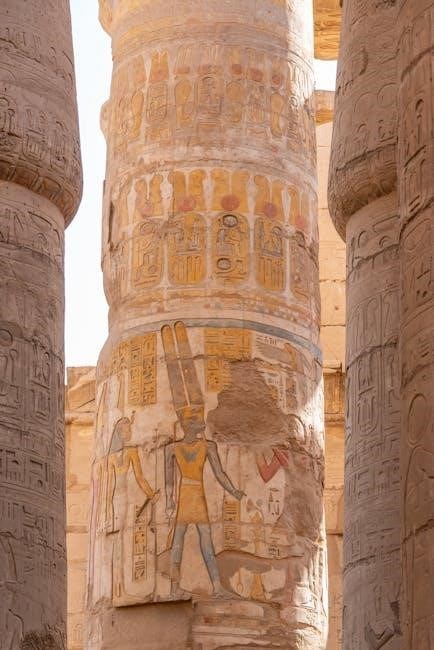
Prentice Hall World History textbooks dedicate substantial coverage to ancient civilizations‚ establishing a crucial historical foundation. Expect detailed explorations of Mesopotamia‚ Egypt‚ the Indus Valley‚ and early China‚ examining their political structures‚ social hierarchies‚ and technological innovations. Greek civilization receives significant attention‚ particularly its democratic roots – a topic frequently referenced in academic materials – and philosophical contributions.
Roman history‚ including the Republic and Empire‚ is thoroughly analyzed‚ focusing on law‚ military organization‚ and expansion. The texts also investigate other ancient societies‚ like the Persians and those in the Americas‚ providing a comparative global perspective. These sections often connect ancient developments to later historical trends‚ illustrating continuity and change throughout history.
IV.B. Medieval and Renaissance Periods
Prentice Hall World History textbooks comprehensively cover the Medieval period‚ examining the fall of the Roman Empire and the rise of new kingdoms in Europe‚ Asia‚ and Africa. Detailed attention is given to the development of feudalism‚ the influence of the Catholic Church‚ and the impact of events like the Crusades. Islamic civilizations during this era‚ including their advancements in science‚ mathematics‚ and art‚ are also prominently featured.
The Renaissance receives extensive treatment‚ exploring its origins in Italy and its spread across Europe. Key themes include humanism‚ artistic innovation (like those of Leonardo da Vinci and Michelangelo)‚ and the beginnings of scientific revolution. The textbook likely connects these developments to broader societal shifts and the eventual emergence of the modern world‚ providing a nuanced historical narrative.
IV.C. The Modern Era: 19th and 20th Century History
Prentice Hall World History textbooks dedicate significant coverage to the 19th and 20th centuries‚ a period of unprecedented global change. The Industrial Revolution‚ its origins in Britain‚ and its subsequent spread are analyzed‚ alongside the rise of new ideologies like capitalism‚ socialism‚ and nationalism. Imperialism and colonialism‚ including their motivations and consequences for both colonizers and colonized peoples‚ receive detailed attention.
The two World Wars are examined in depth‚ exploring their causes‚ key events‚ and lasting impacts. The Cold War‚ the rise and fall of communism‚ and the process of decolonization are also central themes. Contemporary issues like globalization‚ technological advancements‚ and ongoing conflicts are likely addressed‚ offering students a comprehensive understanding of the modern world’s complexities;
V. Textbook Features and Pedagogical Approach
Prentice Hall World History textbooks typically incorporate a variety of features designed to enhance student learning; These often include detailed maps illustrating historical events and geographical contexts‚ primary source excerpts offering firsthand accounts‚ and timelines providing a chronological framework.
The pedagogical approach generally emphasizes critical thinking skills‚ encouraging students to analyze historical evidence and form their own interpretations. Chapter summaries‚ key terms‚ and review questions aid comprehension and retention. Visual aids‚ such as photographs and illustrations‚ are frequently used to bring history to life.
Furthermore‚ the textbooks often include connections to current events‚ demonstrating the relevance of history to the present day‚ and promote a nuanced understanding of complex historical issues.
VI. Historical Accuracy and Scholarly Reception
Prentice Hall World History textbooks‚ like all historical narratives‚ are subject to ongoing scholarly debate regarding their interpretations and emphases. While generally regarded as comprehensive and well-researched‚ historians often critique specific aspects‚ such as the representation of marginalized groups or the framing of particular events.
The textbooks typically draw upon a wide range of academic sources‚ reflecting established historical consensus. However‚ evolving scholarship and new discoveries can necessitate revisions and updates in subsequent editions. Scholarly reviews often assess the textbook’s balance‚ objectivity‚ and adherence to current historical standards.

The availability of the textbook in PDF format doesn’t alter the core scholarly considerations regarding its historical accuracy; critical evaluation remains essential.
VII. Utilizing the Textbook for Academic Study
Whether accessed in print or as a PDF‚ the Prentice Hall World History textbook serves as a foundational resource for students. Effective study requires active reading – not merely passively absorbing information‚ but critically engaging with the presented narratives and interpretations.
For research papers‚ the textbook provides a broad overview and can be a starting point for identifying key themes and debates. However‚ relying solely on the textbook is insufficient; students must consult primary sources and scholarly articles to develop nuanced arguments.
Utilizing the textbook’s index and glossary efficiently aids comprehension. The PDF format allows for convenient searching and note-taking‚ enhancing the learning process.
VII.A. Effective Reading Strategies
Successfully navigating a Prentice Hall World History textbook‚ especially in PDF format‚ demands strategic reading. Begin by previewing each chapter – examining headings‚ subheadings‚ and images to grasp the overall structure. Active recall is crucial; pause periodically to summarize key points in your own words.

Annotating the PDF – highlighting important passages and adding notes – enhances comprehension and retention. Don’t hesitate to question the author’s interpretations and consider alternative perspectives.
Break down complex topics into smaller‚ manageable chunks. Utilize the textbook’s features‚ such as timelines and maps‚ to contextualize historical events. Regularly review previously covered material to reinforce learning and build a cohesive understanding of world history.
VII.B. Using the Textbook for Research Papers
The Prentice Hall World History textbook‚ even in PDF form‚ serves as a valuable starting point for research. However‚ it should rarely be your sole source. Utilize it to establish a foundational understanding of your chosen topic and identify key themes and debates.
Pay close attention to the textbook’s footnotes and bibliography; these offer leads to more specialized scholarly sources. Cross-reference information with academic journals‚ primary source documents‚ and reputable online databases.
When citing the textbook‚ adhere strictly to your instructor’s preferred citation style (MLA‚ Chicago‚ etc.). Remember that a textbook provides a broad overview; in-depth research requires consulting a wider range of academic materials to support your arguments.
VIII. Prentice Hall and its Role in Educational Publishing
Prentice Hall‚ a long-standing name in educational publishing‚ historically played a significant role in shaping history curricula across numerous institutions. Their world history textbooks‚ including those now circulated as PDF versions‚ were designed to provide comprehensive narratives for students.

The company’s approach often involved integrating diverse perspectives‚ though‚ like all textbooks‚ they were subject to scholarly critique regarding bias and interpretation. Prentice Hall’s influence extended beyond content‚ impacting pedagogical approaches through accompanying resources and teacher’s editions.
Today‚ while the Prentice Hall name has evolved under Pearson Education‚ its legacy continues to influence the field‚ and older editions remain accessible‚ often as PDF downloads‚ for historical study and comparison.
IX. Alternative Resources to Supplement the Textbook
While a Prentice Hall World History PDF provides a foundational overview‚ supplementing it with diverse resources enhances understanding. Online platforms like Khan Academy and Coursera offer complementary lectures and materials covering similar historical periods.
Academic journals‚ accessible through university libraries or databases like JSTOR‚ provide in-depth scholarly articles offering nuanced perspectives beyond textbook narratives. Primary source collections‚ such as those available through university websites or digital archives‚ allow direct engagement with historical documents.
Furthermore‚ exploring documentaries‚ museum websites‚ and reputable historical podcasts can enrich learning. Utilizing these alternatives alongside the Prentice Hall text fosters a more comprehensive and critical approach to world history.
X. The Evolution of History Textbooks: A Comparative Perspective
Historically‚ history textbooks‚ including Prentice Hall’s offerings‚ have shifted in scope and interpretation. Earlier editions often presented a Eurocentric viewpoint‚ gradually evolving towards more inclusive global narratives. The availability of Prentice Hall World History in PDF format reflects a broader trend of digital accessibility in educational materials.
Compared to older texts‚ contemporary history textbooks emphasize social and cultural history alongside political events. The inclusion of diverse voices and perspectives—previously marginalized—is now common. Analyzing different editions of Prentice Hall reveals this progression.

Furthermore‚ the rise of digital resources challenges the traditional textbook format‚ offering interactive learning experiences and constantly updated information‚ supplementing or even replacing static PDF versions.
XI. Digital Access and Online Learning Platforms
The increasing demand for Prentice Hall World History in PDF format is intrinsically linked to the growth of digital access and online learning. Platforms like Microsoft 365‚ offering Outlook and Office Online apps‚ facilitate textbook access and collaborative study. Students now routinely supplement physical copies with digital resources.
Online learning environments often integrate PDF textbooks with interactive elements—quizzes‚ videos‚ and discussion forums—enhancing comprehension. The convenience of accessing materials anytime‚ anywhere‚ drives the preference for digital formats.
However‚ reliance on digital access necessitates reliable internet connectivity and raises concerns about digital equity. While PDF versions offer portability‚ they also present challenges regarding copyright and unauthorized distribution;
Prentice Hall World History textbooks have long been a staple in secondary and post-secondary education‚ offering comprehensive coverage of global events. The search for PDF versions reflects a modern shift towards digital learning resources‚ driven by accessibility and convenience. Numerous editions exist‚ each potentially differing in content and scope.
Online platforms frequently host discussions regarding textbook availability‚ with users seeking downloadable PDFs for study. However‚ it’s crucial to acknowledge the legal implications surrounding copyrighted material. Resources like those mentioned – Hall (1953)‚ Korotayev (2024)‚ and Vasilieva (2025) – highlight the broader academic context.
The desire for digital access is further fueled by the integration of these texts with online learning platforms and tools like Microsoft Outlook.