Essential Elements Book 1 Trumpet PDF: A Comprehensive Guide
Essential Elements for Trumpet, Book 1, is a widely used instructional method, often sought in PDF format for convenient access and study. Numerous online resources
offer downloads.
This foundational text provides a structured approach to learning the trumpet, making the PDF version a valuable tool for students and educators alike.
What is Essential Elements for Trumpet?
Essential Elements for Trumpet is a comprehensive and highly regarded method book designed for beginning trumpet players. It systematically introduces fundamental techniques, music reading skills, and a diverse repertoire of musical pieces. The series, including Book 1, is renowned for its clear explanations, progressive exercises, and engaging musical selections.
This method emphasizes a gradual learning curve, starting with the very basics – proper embouchure formation, breathing control, and instrument handling. It progresses logically through note reading, rhythm comprehension, and simple melodies. The PDF version of Book 1 allows for easy access on various devices, facilitating practice and study anywhere, anytime.
Many trumpet students begin their musical journey with Essential Elements, and its widespread adoption by band directors and private instructors speaks to its effectiveness. The book’s structure and content are designed to build a solid foundation for future musical development, making the PDF a popular choice for convenient learning.
The Importance of Book 1
Essential Elements Book 1 for Trumpet is critically important as it lays the groundwork for all subsequent trumpet playing. It establishes fundamental skills – embouchure, breathing, posture – that are essential for tone production and musicality. Mastering the concepts in Book 1 prevents the development of bad habits that can hinder progress later on.
The PDF format enhances its importance by providing readily available practice material. Students can easily access exercises and songs on tablets, computers, or phones, promoting consistent practice. Book 1 focuses on building a strong musical foundation, including note reading, rhythm, and basic music theory.
Successfully completing Book 1 instills confidence and provides a sense of accomplishment, motivating students to continue their musical journey. It’s often a prerequisite for joining school bands or ensembles, making the PDF version a convenient and accessible resource for aspiring trumpet players.
PDF Availability and Sources
Finding an Essential Elements Book 1 Trumpet PDF requires careful navigation. Several websites offer these files for download, including vdoc.pub and various student-shared document repositories. However, availability can fluctuate, and file integrity isn’t always guaranteed.
Legitimate sources often include music retailers who may provide a PDF version with purchase, or educational institutions offering access to students. Be cautious of sites promising “free” downloads, as these may contain malware or violate copyright. Searching specifically for “Essential Elements 2000 Trumpet pdf” yields numerous results.
Always verify the source’s reputation before downloading. Consider checking file sizes against known values (around 9MB, as noted in some listings) and scanning downloaded files with antivirus software. Remember that purchasing a physical copy or a licensed PDF supports the creators and ensures quality content.

Downloading the Essential Elements Book 1 Trumpet PDF
Essential Elements Book 1 Trumpet PDF files are accessible through various online platforms, but exercising caution regarding source legitimacy is crucial for safe downloads.
Legitimate Download Sites
Finding reliable sources for the Essential Elements Book 1 Trumpet PDF is paramount. Musicnotes.com and Sheet Music Plus are reputable platforms offering legally obtained digital sheet music, including this method book. These sites typically require a purchase, ensuring you receive a high-quality, copyright-protected file.
Hal Leonard, the publisher of Essential Elements, may also offer the PDF directly through their website or authorized retailers. Checking their official online store is a good starting point. Educational institutions often provide access to digital resources for enrolled students, so inquire with your school or teacher.
Beware of websites promising free downloads, as these often contain malware or violate copyright laws. Prioritize sites with secure payment gateways and clear terms of service to protect your device and support the creators of this valuable learning material. Always verify the file’s authenticity after downloading.
Free vs. Paid Versions
The availability of a free Essential Elements Book 1 Trumpet PDF is often questionable. While some websites advertise free downloads, these frequently infringe on copyright and may contain viruses or malware, posing a risk to your device. The quality of these illegally obtained PDFs is often poor, with missing pages or distorted images.
Paid versions, purchased from legitimate sources like Musicnotes.com, Sheet Music Plus, or Hal Leonard, guarantee a high-resolution, complete, and legally compliant file. These purchases support the publishers and authors, ensuring continued creation of educational materials.
The cost of the PDF is relatively low compared to the physical book, offering convenience and portability. Consider the risks associated with free downloads versus the security and quality of a paid version. Investing in a legitimate copy ensures a positive learning experience and protects you from potential cyber threats.
Potential Risks of Unofficial Downloads
Downloading the Essential Elements Book 1 Trumpet PDF from unofficial sources carries significant risks. These websites often host malware, viruses, and spyware that can compromise your computer’s security and steal personal information. Such files may also contain corrupted data, rendering the PDF unusable or displaying incorrect musical notation.
Copyright infringement is a serious concern; downloading illegally distributed materials supports piracy and harms the creators of the educational content. Furthermore, these unofficial PDFs frequently lack the quality of legitimate versions, featuring low resolution, missing pages, or inaccurate transcriptions.
Protecting your digital security is paramount. Opting for authorized retailers and legitimate download sites minimizes these risks and ensures you receive a safe, complete, and legally obtained copy of the Essential Elements Book 1 Trumpet PDF. Prioritize safety over convenience when accessing educational materials online.

Content Overview: Essential Elements Book 1
Essential Elements Book 1 systematically introduces trumpet fundamentals, starting with instrument care and basic music reading. It progresses through first notes, rhythms, and sound production exercises.
The PDF version mirrors this structure, offering a comprehensive learning path for beginner trumpet players.
Unit 1: Getting Started ‒ The Basics
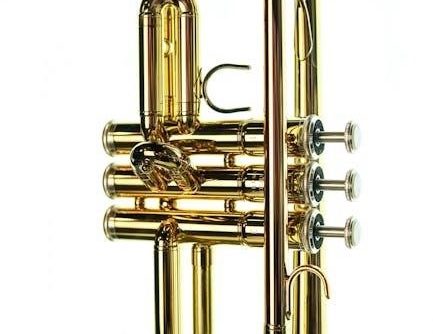
Unit 1 of Essential Elements for Trumpet, readily available in PDF format, lays the crucial groundwork for aspiring musicians. This initial section focuses on familiarizing students with the trumpet itself – its parts, proper assembly, and essential maintenance. The PDF often includes diagrams illustrating each component, aiding visual learners.
Beyond the instrument, Unit 1 introduces fundamental music concepts. Students begin to understand musical notation, including the staff, clef, and basic note values. Rhythm is also a key focus, with exercises designed to develop a steady beat. The PDF version allows for easy printing of these exercises for practice.
Furthermore, this unit emphasizes the importance of posture and holding the trumpet correctly. Proper technique is stressed from the outset, preventing bad habits that can hinder progress. Accessing this unit through a PDF enables students to review these foundational elements at their own pace, reinforcing understanding before moving forward.
Unit 2: First Notes and Rhythms
Unit 2 of the Essential Elements Trumpet Book 1, commonly found as a PDF download, builds upon the foundational concepts introduced previously. This section centers around producing the first sounds on the trumpet, typically beginning with simple notes in the staff – often focusing on B, A, and G. The PDF format allows students to clearly view and practice these initial notes.
Rhythmic understanding is further developed through exercises incorporating whole, half, and quarter notes. Students learn to count and perform basic rhythms, crucial for musicality. The PDF often includes accompanying practice tracks, enabling students to play along and assess their timing.
This unit also introduces the concept of slurs and staccato, adding articulation to the notes. The Essential Elements PDF provides clear explanations and examples, making these techniques accessible to beginners. Consistent practice with the materials in the PDF is key to establishing a solid rhythmic and tonal foundation.
Unit 3: Building a Sound
Unit 3 of Essential Elements for Trumpet, Book 1 – frequently accessed as a PDF – focuses on developing a consistent and quality sound. This stage moves beyond simply producing notes to refining tone production. The PDF version provides visual aids and exercises designed to help students achieve a clear, resonant sound.
Exercises in this unit emphasize long tones, encouraging students to sustain notes with even airflow and consistent embouchure. The Essential Elements PDF often includes guidance on proper breathing techniques, vital for sound quality. Students begin to explore dynamics, learning to control volume and expression.
The PDF also introduces the concept of articulation, building upon the slurs and staccato introduced earlier. Students practice different tonguing techniques to create varied sounds. Consistent practice with the PDF’s exercises is crucial for developing a strong, controlled, and musical trumpet tone.

Key Concepts Covered in Book 1
Essential Elements Book 1, often found as a PDF, introduces fundamental trumpet techniques. These include embouchure, breathing, posture, and basic music reading skills for beginners.
Embouchure Development
Essential Elements Book 1, readily available as a PDF, places significant emphasis on developing a correct embouchure – the way a trumpet player applies their mouth to the mouthpiece. This is arguably the most crucial foundational skill. The book guides students through exercises designed to build muscle strength and control in the facial muscles.
Early lessons focus on achieving a firm, yet relaxed, embouchure, avoiding excessive pressure. The PDF version often includes diagrams illustrating proper lip placement and tongue position. Students learn to form a consistent aperture, the opening between the lips, to produce a clear tone. Consistent practice of these exercises, as outlined in the Essential Elements method, is vital for establishing a solid embouchure.
The book stresses the importance of avoiding common pitfalls, such as puffing cheeks or biting down on the mouthpiece. A well-developed embouchure is the cornerstone of good trumpet playing, enabling range, tone quality, and endurance. The PDF format allows for repeated review of these critical concepts.
Breathing Techniques
Essential Elements Book 1, in its convenient PDF format, dedicates substantial attention to proper breathing techniques for trumpet players. The book emphasizes diaphragmatic breathing – utilizing the diaphragm to draw air deeply into the lungs – as the foundation for a strong and consistent airflow.
Exercises within the PDF guide students through controlled inhalations and exhalations, focusing on expanding the abdomen rather than raising the shoulders. This technique maximizes lung capacity and provides the necessary support for sustained notes and phrases. Students learn to maintain a steady air stream, avoiding tension in the throat and chest.
The Essential Elements method stresses the connection between breath support and tone quality. A consistent airflow is crucial for producing a clear, resonant sound. The PDF often includes exercises to develop breath control and endurance, preparing students for more challenging musical passages. Mastering these techniques early on is essential for long-term success.
Proper Posture and Instrument Hold
The Essential Elements Book 1 PDF places significant emphasis on establishing correct posture and a secure instrument hold from the very beginning. Maintaining good posture – sitting or standing tall with relaxed shoulders – is presented as fundamental for efficient breathing and optimal sound production.
The PDF provides detailed illustrations and explanations on how to hold the trumpet correctly, ensuring a comfortable yet firm grip. Students are guided to avoid tension in their hands, arms, and face, as this can impede airflow and affect tone quality. Proper hand position is crucial for valve dexterity and accurate intonation.
Essential Elements stresses the importance of a balanced instrument hold, distributing the weight evenly to prevent strain; The PDF often includes exercises to reinforce these principles, helping students develop muscle memory and establish good habits. Correct posture and instrument hold are presented as essential building blocks for a successful trumpet playing journey.

Supplementary Materials & Resources
Essential Elements Book 1 PDF learning is enhanced by accompaniment tracks and online tutorials readily available. Teachers often utilize supplemental editions for enriched instruction.
Accompaniment Tracks
Essential Elements for Trumpet, Book 1, truly comes alive when paired with its corresponding accompaniment tracks. These tracks are invaluable tools for students practicing with a sense of musicality and timing, moving beyond simply playing notes in isolation. They provide a realistic ensemble experience, even for those practicing solo.
Finding these tracks often involves searching online platforms or checking with music retailers. Many websites offering the Essential Elements Book 1 PDF also provide links or access to the audio components. Utilizing these tracks helps students develop rhythmic accuracy, intonation, and a better understanding of how their part fits within a larger musical context.
Practicing with accompaniment fosters a more engaging and motivating learning environment, encouraging students to strive for a polished and professional sound. They are essential for preparing for performances and building confidence in musical expression.
Online Tutorials and Videos
Supplementing the Essential Elements Book 1 PDF with online tutorials and videos can dramatically enhance the learning experience. Numerous educators and trumpet players have created content specifically designed to support students working through this method. Platforms like YouTube host a wealth of instructional videos covering everything from embouchure formation to mastering specific exercises.
These visual aids are particularly helpful for demonstrating proper technique and troubleshooting common challenges. Searching for “Essential Elements Trumpet Book 1 tutorial” will yield a variety of resources. Many videos break down complex concepts into easily digestible segments, offering close-up demonstrations and helpful tips.

Utilizing these online resources alongside the PDF allows students to learn at their own pace and reinforce concepts learned from a teacher or self-study. They provide an accessible and convenient way to improve trumpet skills.
Teacher’s Editions and Resources
For educators utilizing the Essential Elements Book 1 PDF, access to teacher’s editions and supplementary resources is invaluable. These materials often include detailed lesson plans, assessment tools, and duet parts to facilitate effective instruction. While finding a freely available PDF of the teacher’s edition can be challenging, music retailers and educational supply companies typically offer them for purchase.
These editions provide insights into the pedagogical approach behind the method, offering suggestions for addressing student difficulties and extending learning beyond the core exercises. Additional resources may include performance assessments, scales and arpeggios, and supplementary repertoire.
Leveraging these tools ensures a well-rounded and structured learning experience for students, maximizing the benefits of the Essential Elements method. They support differentiated instruction and cater to diverse learning styles.
Troubleshooting Common Issues
Essential Elements Book 1 learners often face challenges with high notes, tone quality, and rhythm. Consistent practice and seeking guidance can overcome these hurdles effectively.
Difficulty with High Notes
Difficulty achieving higher notes is a common frustration for beginners using Essential Elements Book 1. This often stems from insufficient embouchure strength and proper breath support. Students may find themselves straining, resulting in a thin, airy tone or an inability to reach the desired pitch.
The book gradually introduces range extensions, but rushing this process can hinder progress. Focus on solidifying the fundamentals in the lower register first. Ensure a relaxed embouchure – avoid excessive pressure on the mouthpiece.
Consistent long-tone exercises are crucial for building embouchure endurance. Practice scales and arpeggios slowly, concentrating on maintaining a consistent airflow and a centered tone. Remember to visualize the air stream being focused and directed. Supplementing with online tutorials demonstrating proper technique can also be beneficial. Patience and consistent, mindful practice are key to overcoming this challenge.
Tone Quality Problems
Poor tone quality is a frequent issue for trumpet students working through Essential Elements Book 1. This can manifest as a thin, weak sound, a harsh or brassy tone, or inconsistencies in pitch. Often, it’s linked to improper embouchure formation and insufficient breath control.
The Essential Elements PDF emphasizes the importance of a relaxed embouchure, but achieving this takes practice. Students should focus on forming a consistent aperture and avoiding excessive pressure. Breath support is equally vital; imagine filling a balloon with air and releasing it steadily.
Experiment with different mouthpiece pressures and oral cavity shapes to discover what produces the clearest, most resonant sound. Listening to recordings of professional trumpet players can provide a valuable tonal model. Utilizing accompaniment tracks from the PDF can help develop a sense of musicality and improve overall tone production.
Rhythm and Timing Challenges
Rhythm and timing are fundamental aspects of music, and Essential Elements Book 1 introduces these concepts gradually. However, many beginners struggle with maintaining a steady beat and accurately executing different rhythmic patterns. The PDF version provides visual aids, but consistent practice with a metronome is crucial.
Students often find it difficult to internalize subdivisions – understanding how beats are divided into smaller units. Counting aloud while playing, and clapping rhythms before attempting them on the trumpet, can be incredibly helpful. The Essential Elements PDF includes exercises designed to reinforce these skills.
Utilizing the accompaniment tracks available with the PDF allows students to play along with a steady tempo, developing their sense of timing. Breaking down complex rhythms into smaller, manageable chunks and gradually increasing the tempo will foster accuracy and confidence.

Essential Elements Book 1: Beyond the PDF
While the Essential Elements PDF is a great start, supplementing with a teacher and consistent practice unlocks true progress. Further books build upon this foundation.
Transitioning to Book 2
Successfully completing Essential Elements Book 1 is a significant milestone for any budding trumpet player. The transition to Book 2 represents a natural progression, building upon the foundational skills established in the first volume. Book 2 introduces more complex rhythms, a wider range of notes, and increasingly challenging musical pieces;
Students can expect to encounter new techniques, such as more advanced tonguing and articulation exercises. The PDF format continues to be available for Book 2, offering the same convenience for practice and study. However, relying solely on the PDF isn’t ideal; a teacher’s guidance becomes even more crucial at this stage.
Book 2 also delves deeper into musicality, encouraging students to focus on phrasing, dynamics, and overall expression. Mastering the concepts in Book 1 is vital for a smooth and successful transition, ensuring a solid base for continued musical growth. Consistent practice, coupled with thoughtful instruction, will pave the way for greater proficiency and enjoyment on the trumpet.
The Role of a Trumpet Teacher
While the Essential Elements Book 1 PDF provides a structured learning path, a qualified trumpet teacher plays an indispensable role in a student’s development. A teacher offers personalized instruction, correcting embouchure issues, breathing techniques, and posture – elements difficult to self-diagnose. They can tailor exercises to individual needs, accelerating progress and preventing bad habits.
Effective teachers don’t just focus on notes; they cultivate musicality, encouraging expression and interpretation. They provide constructive feedback, fostering confidence and motivation. Even with a readily available PDF, a teacher’s ear is crucial for identifying and addressing tonal quality problems.
A teacher can also supplement the book with additional repertoire, broadening a student’s musical horizons. They offer accountability, ensuring consistent practice and providing guidance through challenging passages. Ultimately, a teacher transforms learning from a solitary activity into a collaborative and enriching experience, maximizing the benefits of the Essential Elements method.
Practice Strategies for Success
Utilizing the Essential Elements Book 1 PDF effectively requires a strategic practice approach. Short, focused sessions – 15-30 minutes daily – are more beneficial than infrequent, lengthy ones. Prioritize consistent repetition of exercises, particularly those addressing fundamental techniques like embouchure and breathing.
Don’t simply play through the book; isolate challenging sections and practice them slowly, gradually increasing tempo. Utilize a metronome to develop accurate rhythm and timing. Record yourself playing and critically evaluate your tone and intonation.
Supplement the PDF with accompaniment tracks to develop musicality and ensemble skills. Break down complex rhythms into smaller, manageable units. Regularly review previously learned material to reinforce concepts. Remember, consistent, deliberate practice, guided by the Essential Elements method, is key to achieving success on the trumpet.