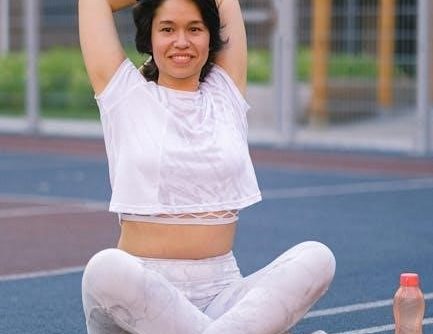
Full Body Stretching Routine PDF: A Comprehensive Guide
Discover a detailed guide to enhance flexibility and well-being! Explore routines, from quick 15-minute morning stretches to comprehensive 30-minute full-body sequences, readily available as PDFs.
Full body stretching is a systematic approach to improving flexibility, range of motion, and overall physical health. It involves lengthening muscles throughout the entire body, rather than focusing on isolated areas. This practice is increasingly popular, with numerous resources available in PDF format to guide individuals through effective routines.
These routines, often ranging from 15 to 30 minutes, cater to various fitness levels, from beginners to advanced practitioners. The benefits extend beyond mere flexibility; regular stretching can reduce muscle tension, improve posture, and even enhance athletic performance. Many PDFs offer detailed instructions and visual aids, making it accessible for home practice. Discover how a consistent stretching routine can transform your well-being!
Benefits of a Regular Stretching Routine
A consistent stretching routine, often found in convenient PDF guides, offers a wealth of benefits. Beyond increased flexibility and range of motion, regular stretching can significantly reduce muscle soreness and improve recovery post-workout. It promotes better posture, alleviating strain on joints and reducing the risk of injury.
Furthermore, stretching can enhance circulation, boost energy levels, and even contribute to stress relief – acting as a natural mood booster. Many find that incorporating a daily stretching routine, easily accessible through downloadable PDFs, improves overall physical and mental well-being. Embrace the power of flexibility for a healthier, more balanced life!
Warm-up Exercises (5 Minutes)
Begin your full-body stretching routine with a crucial 5-minute warm-up. This prepares your muscles for deeper stretches, minimizing injury risk. Incorporate dynamic movements like arm circles and leg swings to increase blood flow and joint mobility. Consider adding gentle hip circles and torso twists.
Walking lunges and high knees further elevate your heart rate and warm major muscle groups. These dynamic stretches, often detailed in PDF routines, are far more effective than static stretching before exercise. A proper warm-up ensures your body is ready to safely and effectively benefit from the stretching session ahead.
Dynamic Stretches for Increased Blood Flow
Prioritize dynamic stretches to effectively prepare your body for a full stretching routine. These movements, unlike static holds, actively engage muscles and boost circulation. Examples include controlled arm circles – forward and backward – to loosen shoulder joints. Leg swings, both front-to-back and side-to-side, enhance hip mobility.
Upper body twists gently warm the core and spine, while torso rotations improve flexibility. Many PDF guides emphasize these movements as essential for injury prevention. Dynamic stretches increase muscle temperature and range of motion, making subsequent static stretches more beneficial and comfortable.
Arm Circles and Leg Swings
Incorporate arm circles and leg swings as foundational dynamic stretches within your routine. Begin with small, controlled arm circles, gradually increasing the range of motion – both forward and backward – to warm up shoulder muscles. Simultaneously, perform leg swings, focusing on controlled movements rather than high kicks.
These exercises enhance blood flow to the limbs and prepare muscles for deeper stretching. Many downloadable PDF routines highlight their importance in preventing injuries. Leg swings target hip flexors and hamstrings, while arm circles improve shoulder mobility. Remember to maintain good posture and a stable core throughout each movement.
Upper Body Stretching (8 Minutes)
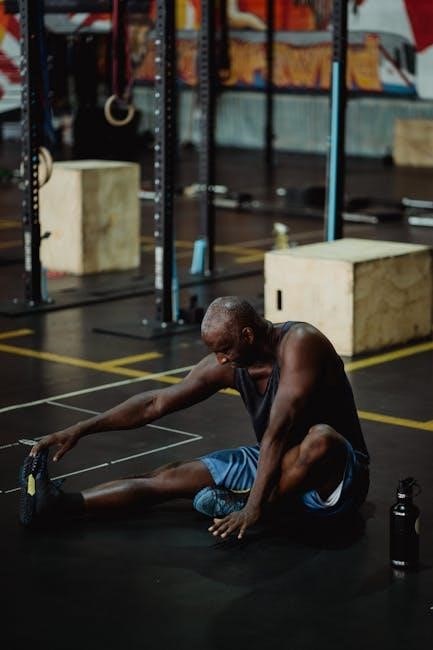
Dedicate eight minutes to upper body stretches, a crucial component of any full body routine, often detailed in downloadable PDF guides. Focus on releasing tension in the neck, shoulders, arms, chest, and back. Begin with gentle neck stretches and shoulder rolls to improve mobility.
Progress to triceps and biceps stretches, holding each for 20-30 seconds. Include chest and back stretches, like doorway stretches, to counteract the effects of prolonged sitting. Many PDF programs emphasize the importance of controlled breathing during these exercises. Prioritize proper form to maximize benefits and prevent strain.
Neck Stretches and Shoulder Rolls
Initiate upper body stretching with gentle neck stretches and shoulder rolls, frequently illustrated in full body stretching routine PDFs. Begin by slowly tilting your head to each side, bringing your ear towards your shoulder – avoid forcing the movement. Follow with chin tucks to lengthen the back of your neck.
Then, perform shoulder rolls, both forward and backward, to loosen tension in the shoulder muscles. These movements increase blood flow and prepare the upper body for deeper stretches. Many PDF guides recommend 10-15 repetitions of each exercise, focusing on controlled, deliberate motions.
Triceps and Biceps Stretches
Target arm muscle flexibility with dedicated triceps and biceps stretches, commonly detailed in full body stretching routine PDFs. For triceps, reach one arm overhead and bend at the elbow, bringing your hand towards your upper back; use your other hand to gently deepen the stretch.
Biceps stretches involve extending one arm straight out, palm facing up, and gently pulling the fingers back towards your body. Hold each stretch for 20-30 seconds, feeling a gentle pull without pain. PDF resources often emphasize maintaining proper form to maximize effectiveness and prevent injury.
Chest and Back Stretches
Counteract prolonged sitting with chest and back stretches, frequently included in comprehensive full body stretching routine PDFs. For the chest, clasp your hands behind your back and gently lift them, opening your chest and shoulders. Alternatively, use a doorway to stretch your pectoral muscles.
Back stretches often involve cat-cow poses or gentle torso twists. Many PDFs recommend lying on your back and bringing your knees to your chest for a lower back release. Hold each stretch for 20-30 seconds, focusing on deep, controlled breathing to enhance flexibility and alleviate tension.
Lower Body Stretching (7 Minutes)
Dedicate seven minutes to lower body stretches, a cornerstone of any effective full body stretching routine PDF. Focus on major muscle groups like hamstrings, quadriceps, and calves; Standing and seated hamstring stretches are commonly featured, emphasizing a straight back and controlled movements.
Quadriceps stretches can be performed holding your foot towards your glutes, while hip flexor stretches involve gentle lunges. Calf stretches, against a wall or step, improve ankle flexibility. Many PDFs suggest holding each stretch for 30 seconds, promoting increased range of motion and preventing injury.
Hamstring Stretches (Standing and Seated)
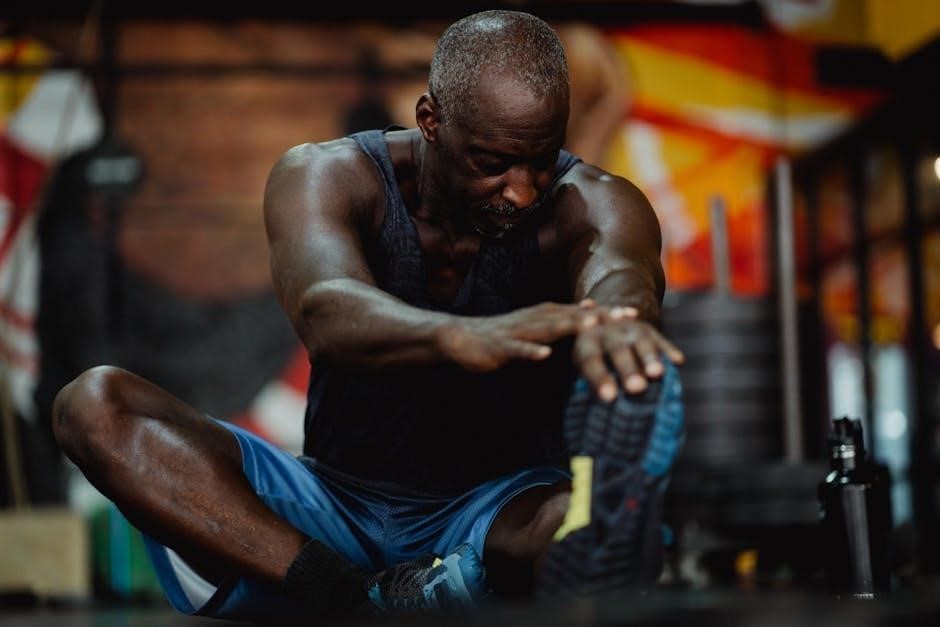
Target tight hamstrings with both standing and seated stretches, crucial components within a full body stretching routine PDF. Standing hamstring stretches involve gently reaching for your toes, keeping a slight bend in the knees to avoid overextension. Maintaining a straight back is paramount for safety and effectiveness.
Seated hamstring stretches can be performed with legs extended, reaching forward or using a towel to assist. These stretches improve flexibility, reduce lower back pain, and enhance athletic performance. Remember to breathe deeply and hold each stretch for approximately 30 seconds, as recommended in many PDF guides.
Quadriceps and Hip Flexor Stretches
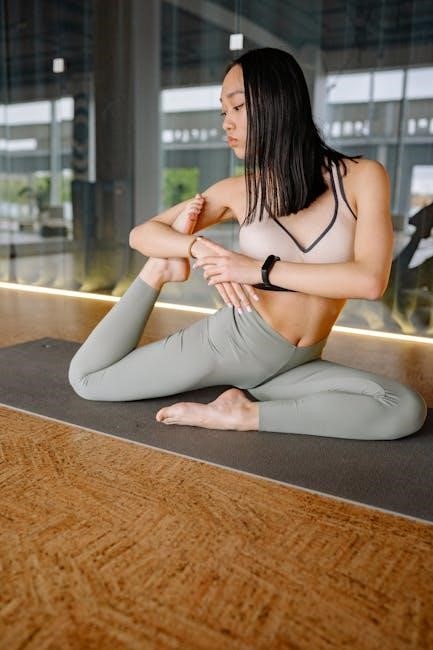
Focus on lengthening the quadriceps and hip flexors, vital for balanced flexibility, often detailed in a full body stretching routine PDF. Standing quadriceps stretches involve holding your foot towards your glutes, ensuring a straight back and engaged core. Variations include using a wall for balance.
Hip flexor stretches, like the kneeling hip flexor stretch, target the muscles connecting your torso to your legs. These stretches counteract the effects of prolonged sitting and improve posture. Hold each stretch for 30 seconds, breathing deeply, as many PDF routines suggest, to maximize benefits and prevent injury.
Calf Stretches
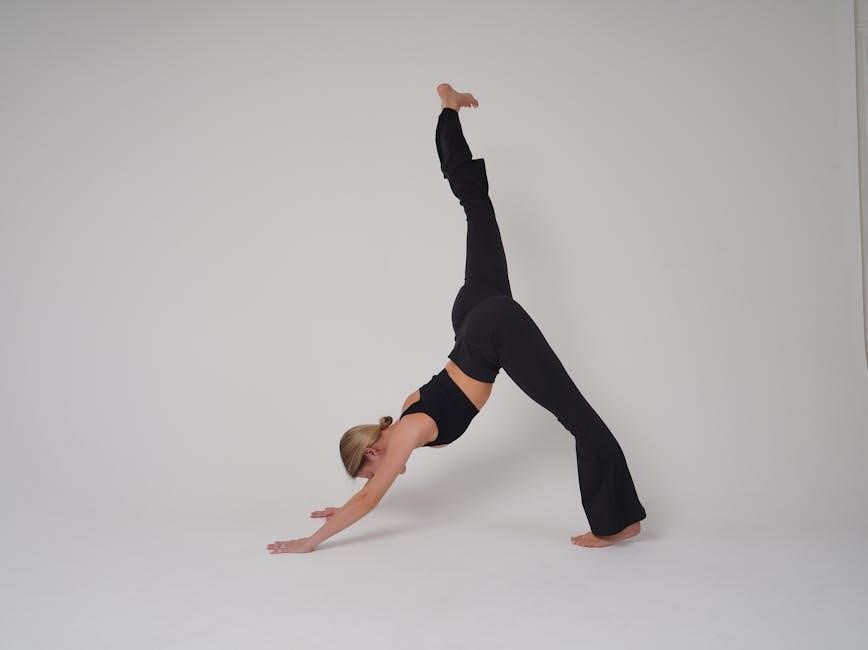
Target both the gastrocnemius and soleus muscles with dedicated calf stretches, commonly found within a comprehensive full body stretching routine PDF. The classic standing calf stretch utilizes a wall or stable surface for support, keeping the heel grounded and leg extended.
To isolate the soleus, perform a seated calf stretch with knees slightly bent. These stretches improve ankle mobility and prevent lower leg tightness. Hold each stretch for 20-30 seconds, focusing on a gentle pull, as recommended in many downloadable PDF guides. Consistent calf stretching enhances athletic performance and reduces injury risk.
Core Stretching (3 Minutes)
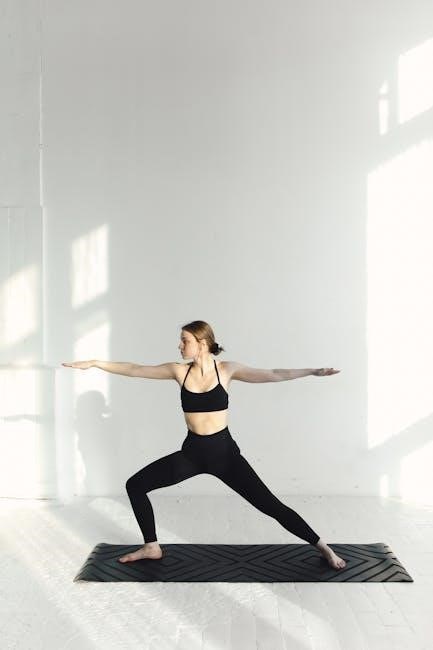
Dedicate three minutes to core stretching, a vital component often included in full body stretching routine PDFs. The Cat-Cow stretch gently articulates the spine, improving flexibility and relieving tension. Follow this with Torso Twists, performed seated or standing, to enhance rotational mobility and stimulate digestion.
These exercises, frequently detailed in printable routines, promote core stability and posture. Focus on controlled movements and deep breathing throughout. A well-rounded core stretch sequence prepares the body for more intense activity and aids in post-workout recovery, as highlighted in numerous PDF guides.
Cat-Cow Stretch
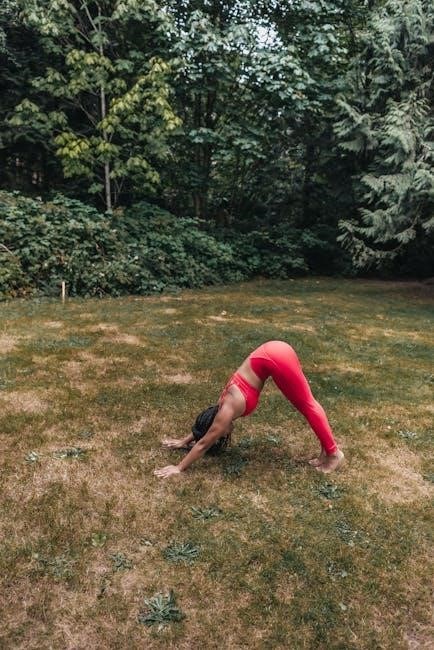
The Cat-Cow stretch, a cornerstone of many full body stretching routine PDFs, gently warms the spine and core. Begin on your hands and knees, aligning wrists under shoulders and knees under hips. Inhale as you drop your belly towards the floor, arching your back into Cow pose.
Exhale, rounding your spine towards the ceiling, tucking your chin to your chest into Cat pose. Repeat this flowing movement for 60-90 seconds, synchronizing breath with motion. This dynamic stretch improves spinal mobility, relieves stress, and prepares the core for further stretching, as detailed in downloadable PDF guides.
Torso Twists
Torso twists are frequently included in full body stretching routine PDFs to enhance spinal mobility and core engagement. Begin seated with legs extended or bent, maintaining a straight back. Inhale deeply, then exhale as you gently twist your torso to one side, placing your hand behind you for support.
Hold for 15-30 seconds, feeling a stretch along your spine and obliques. Repeat on the opposite side. These twists improve posture, aid digestion, and release tension in the back. Many PDF routines suggest incorporating arm movements for a deeper stretch, promoting overall flexibility and core strength.
Stretching for Flexibility Improvement
Full body stretching routine PDFs emphasize consistent practice for noticeable flexibility gains. These programs often detail progressive stretches, gradually increasing range of motion over time. Focus on holding each stretch for 20-30 seconds, breathing deeply to relax muscles.
Regular stretching improves joint health, reduces muscle stiffness, and enhances athletic performance. PDFs frequently include variations for different flexibility levels, catering to beginners and advanced practitioners. Prioritize proper form over depth, avoiding bouncing or forcing stretches. Consistent application of these routines unlocks greater mobility and a more comfortable, flexible body.
Stretching for Post-Workout Recovery
Full body stretching routine PDFs designed for post-workout recovery aid muscle repair and reduce soreness. These routines typically focus on the muscles engaged during exercise, promoting blood flow and nutrient delivery. Static stretches, held for longer durations, are particularly beneficial after intense activity.
Incorporating stretching post-workout minimizes muscle stiffness and improves range of motion. PDFs often suggest specific stretches targeting major muscle groups, like hamstrings, quads, and back. Remember to cool down with gentle stretches, allowing your body to gradually return to a resting state, enhancing recovery and preventing injury.
Creating a Personalized Stretching PDF
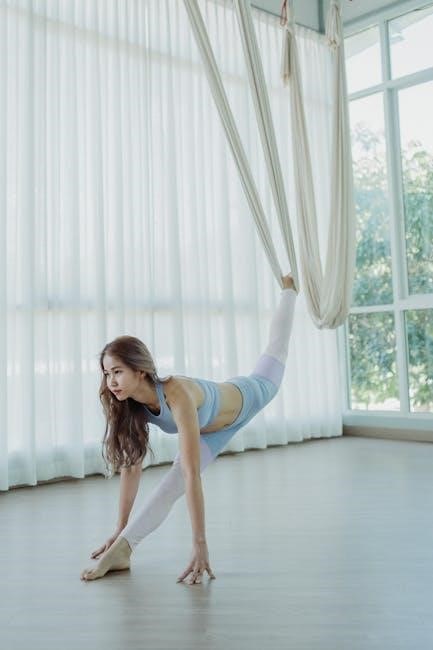
Tailoring a full body stretching routine PDF to your needs maximizes benefits. Begin by assessing your flexibility and identifying areas needing improvement. Select stretches targeting those specific muscle groups, considering your fitness level and any physical limitations.
Utilize readily available templates or software to compile your chosen stretches into a PDF. Include clear instructions, images, and recommended hold times. Consider incorporating warm-up and cool-down sections for a complete routine. Regularly update your PDF as your flexibility improves, ensuring continued progress and a personalized stretching experience.
Frequency and Duration of Stretching Sessions
Optimal stretching frequency depends on individual goals and activity levels. For general flexibility and recovery, aim for 2-3 sessions per week. Daily stretching can be beneficial, especially for those with physically demanding jobs or intense workout routines.
Session duration can vary from 15 to 30 minutes, depending on the complexity of your routine. Shorter, focused sessions are effective for quick maintenance, while longer sessions allow for deeper stretching and improved range of motion. Consistency is key; even brief, regular stretching is more effective than infrequent, lengthy sessions.
Common Mistakes to Avoid During Stretching
Avoid bouncing while stretching, as this can trigger the stretch reflex and cause muscle injury. Never stretch a cold muscle; always warm up beforehand with light cardio and dynamic stretches. Holding your breath increases tension; breathe deeply and evenly throughout each stretch.
Pushing too far can lead to strains; listen to your body and stop at the point of mild tension, not pain. Ignoring proper form reduces effectiveness and increases risk of injury. Comparing yourself to others is unproductive; focus on your own progress and flexibility levels.
Modifications for Beginners
Start slowly and gradually increase the intensity and duration of stretches. Use props like towels or straps to assist with reaching challenging positions. Modify stretches to suit your flexibility level; for example, bend your knees during hamstring stretches. Focus on proper form over depth; prioritize technique to prevent injury.
Listen to your body and stop if you feel any pain. Break down stretches into smaller, more manageable steps; Consider shorter routines initially, gradually building up to longer sessions. Don’t be afraid to consult a fitness professional for personalized guidance and modifications.
Resources for Printable Stretching Routines (PDFs)
Numerous online platforms offer downloadable full body stretching routines in PDF format. Search for “full body stretch PDF” on websites dedicated to fitness and wellness. Explore resources from certified trainers and physical therapists for safe and effective routines. Many fitness apps also provide printable stretching guides as part of their premium features.
Look for PDFs categorized by experience level – beginner, intermediate, or advanced. Consider routines targeting specific needs, such as post-workout recovery or improved flexibility. Always review the source’s credibility before using any downloadable material. Print and keep your favorite routines handy for easy access!
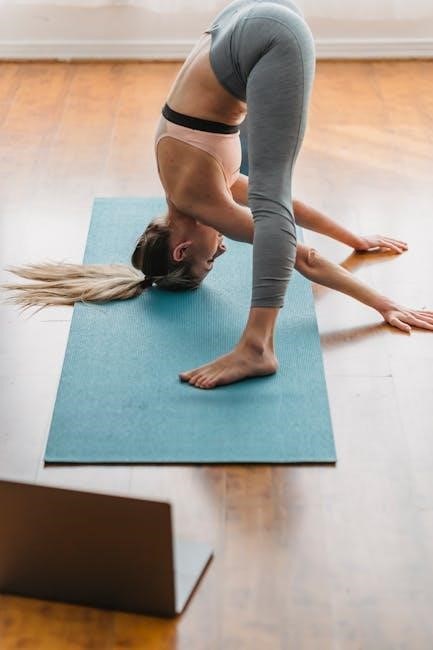
Cool-down and Relaxation (2 Minutes)
Conclude your full body stretching routine with a dedicated cool-down period. Focus on deep, controlled breathing exercises to lower your heart rate and promote relaxation. Hold each stretch gently for 15-30 seconds, allowing muscles to fully release tension. Consider incorporating gentle movements like torso twists or arm circles.
This phase is crucial for preventing muscle soreness and enhancing recovery. Visualize a sense of calm and well-being as you breathe deeply. A short meditation or mindfulness practice can further amplify the benefits. Remember, a proper cool-down is as important as the stretching itself!