Guided Backpacking Trips for Beginners: A Comprehensive Plan
Trek And Trips expertly organizes trekking and camping packages, offering 5-7 day adventures through wild tundra, ideal for beginners seeking exploration and discovery.
What is a Guided Backpacking Trip?
A guided backpacking trip is an immersive outdoor experience led by a knowledgeable and certified professional. Unlike solo adventures, these trips provide structure, safety, and invaluable learning opportunities for those new to the backcountry. Trek And Trips specializes in organizing such expeditions, offering packages that encompass trekking, hiking, and camping.
These trips typically involve traversing trails – or, for more adventurous beginners, even untamed tundra – while carrying all necessary gear and provisions. A qualified guide handles navigation, campsite selection, and ensures participant well-being. They also share insights into local flora, fauna, and responsible wilderness practices, fostering a deeper connection with nature. It’s a fantastic way to gain confidence and skills!
Why Choose a Guided Trip for Your First Backpacking Experience?
Embarking on a first backpacking trip can feel daunting, but a guided experience mitigates risks and maximizes enjoyment. A qualified guide provides expertise in navigation, first aid, and emergency procedures, ensuring your safety in the wilderness. They handle logistical complexities, allowing you to focus on immersing yourself in the adventure.
Guided trips are particularly beneficial for beginners lacking experience with gear selection, camp setup, or wilderness etiquette. Trek And Trips prioritizes safety, utilizing proven providers and the best equipment. It’s a chance to learn essential skills, build confidence, and discover the joys of backpacking without the stress of independent planning – a truly unforgettable introduction!
Benefits of Guided Backpacking for Beginners
Guided backpacking offers numerous advantages for newcomers. Beyond safety and logistical support, you gain access to a wealth of knowledge about the local environment, wildlife, and Leave No Trace principles. Experienced guides share valuable skills, enhancing your understanding and appreciation of the outdoors.
These trips foster a sense of community, connecting you with like-minded adventurers. Daily hiking distances of 15-30 km are managed with planned breaks, ensuring a comfortable pace. Trek And Trips emphasizes personal experience and equips travelers with the best gear. It’s a stress-free way to experience the beauty of nature, learn essential skills, and build lasting memories.
Planning Your First Guided Backpacking Trip
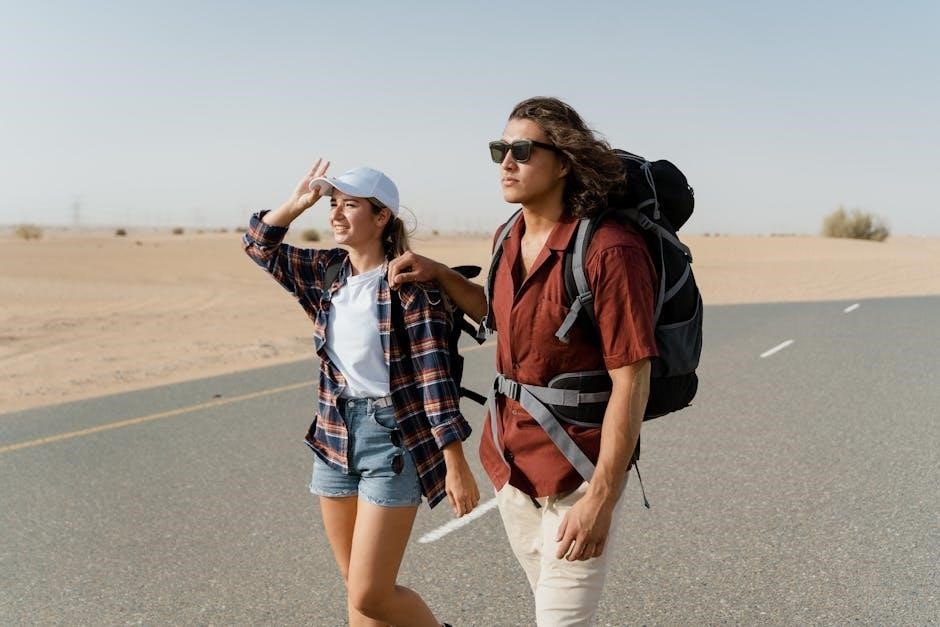
Careful planning is key! Consider trip length (5-7 days) and suitable regions like tundra or mountains, factoring in costs of 8,000/- or 1250 per person.
Choosing the Right Trip Length (5-7 Days)
For beginner backpackers, a 5-7 day guided trip strikes an ideal balance between challenge and enjoyment. This duration allows sufficient time to acclimatize to carrying a pack and experiencing the backcountry without being overly strenuous. Trek And Trips specializes in week-long autonomous treks, perfect for those new to multi-day hiking.
Shorter trips might feel rushed, while longer expeditions could prove overwhelming. A 5-7 day timeframe provides ample opportunity to learn essential skills from your guide, build camaraderie with fellow hikers, and fully immerse yourself in the natural environment. It’s a realistic goal for building confidence and fostering a lasting love for backpacking. Remember, it’s about the experience, not just reaching a destination!
Selecting a Suitable Trail/Region (Tundra, Mountain Routes)
Beginner-friendly guided backpacking trips often prioritize accessibility and moderate difficulty. Trek And Trips offers experiences traversing wild tundra landscapes – unique environments characterized by a lack of established trails, demanding self-reliance and navigation skills, but under expert guidance. Alternatively, well-maintained mountain routes provide a more conventional starting point.
Consider your fitness level and comfort with off-trail navigation. Tundra requires carrying all gear and food, fostering independence. Mountain routes offer established paths and potentially more support. Sokol Mountain or Kush-Kaya are examples of regions offering varied terrain. The key is choosing a region that matches your experience and allows you to safely enjoy the adventure, learning from a qualified guide.
Understanding Trip Costs (8,000/- Per Person, 1250 Per Person)
Guided backpacking trip costs vary significantly based on duration, location, and included services. Trek And Trips presents options ranging from comprehensive packages at 8,000/- per person (Dehradun to Dehradun) – typically covering guide fees, permits, and potentially some meals – to shorter, focused programs at 1250 per person.
The 1250 program requires a 300 prepayment, securing your spot. Consider what’s included: does the price cover transportation, food, camping equipment, or just guiding services? Factor in personal expenses like travel to the starting point and any optional activities. Carefully compare offerings to ensure you’re getting value for your investment and understand the total cost of your adventure.
Essential Gear and Packing
Proper gear is crucial; select a well-fitted backpack and layered clothing for varying conditions, alongside sturdy boots, navigation tools, and safety equipment.
Backpack Selection and Fitting
Choosing the right backpack is paramount for a comfortable backpacking experience. Consider trip length – a 5-7 day trip requires a pack between 50-75 liters. Prioritize a pack that fits your torso length, not just your height.
Proper fitting is essential to distribute weight effectively. Visit an outdoor retailer for professional fitting assistance. Adjust the hip belt to carry 80% of the load, and shoulder straps for stability. Ensure the pack doesn’t pull away from your back when loaded.
Look for features like adjustable torso lengths, multiple compartments for organization, and a comfortable suspension system. Don’t underestimate the importance of a rain cover to protect your gear from the elements!
Clothing Layers for Varying Weather Conditions

Backcountry weather is unpredictable, demanding a layered clothing system. Start with a moisture-wicking base layer (synthetic or merino wool) to keep skin dry. Add an insulating mid-layer (fleece or down) for warmth, and a waterproof/windproof outer shell for protection.
Avoid cotton, as it retains moisture and chills you. Pack versatile items like a lightweight puffy jacket, rain pants, and a warm hat and gloves. Consider bringing both short and long-sleeved shirts for adaptability.
Layering allows you to adjust to changing temperatures and activity levels, preventing overheating or getting cold. Don’t forget sturdy hiking socks to prevent blisters!
Footwear: Boots and Socks
Proper footwear is crucial for a comfortable and safe backpacking experience. Invest in well-fitting hiking boots that provide ankle support and traction. Break them in before your trip to avoid blisters!
Consider the terrain; for tundra, waterproof boots are essential. Pair your boots with high-quality hiking socks – wool or synthetic blends are best. Avoid cotton socks, as they hold moisture.
Bring multiple pairs of socks to change into throughout the day, keeping your feet dry. Liner socks can also help reduce friction and prevent blisters. Ensure your boots aren’t too tight, allowing for foot swelling during hikes.
Navigation Tools (Maps, Compass, GPS)
Even on guided trips, understanding basic navigation is valuable. While your guide will lead the way, familiarizing yourself with maps and compasses enhances your experience and safety.
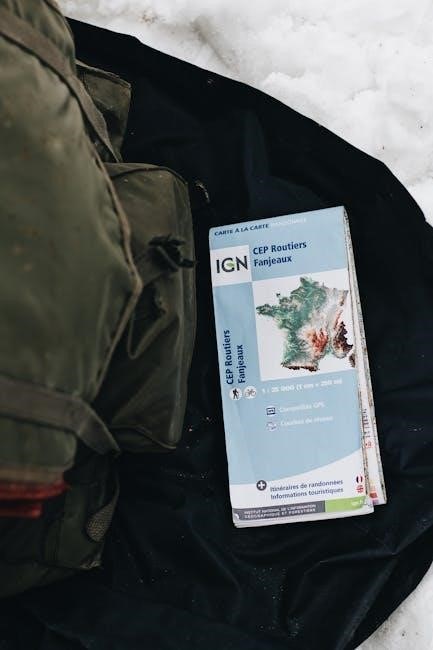
Carry a topographic map of the trail region and learn to read contour lines. A compass allows you to orient yourself and follow a bearing. Don’t solely rely on electronic devices!
GPS devices are helpful, but batteries can fail. Download offline maps on your smartphone as a backup. Practice using these tools before your trip. Knowing how to pinpoint your location builds confidence and preparedness on the trail.

Safety Considerations on Guided Trips
Prioritizing safety is paramount; experienced guides, first aid knowledge, wildlife awareness, and proper hydration/nutrition are crucial for a secure backpacking experience.
Importance of a Qualified Guide
A qualified guide is the cornerstone of a safe and enriching guided backpacking trip, especially for beginners. These professionals possess extensive knowledge of the terrain, potential hazards, and emergency protocols. They ensure trips are based on personal experience, utilizing the best gear and reliable providers.
Guides expertly navigate challenging environments, manage risks associated with wildlife – including bear safety – and provide crucial first aid when needed. They also facilitate a deeper understanding of the natural surroundings, enhancing the overall experience. Their expertise allows participants to focus on enjoying the adventure, knowing they are in capable hands. Choosing a trip with a proven, experienced guide significantly minimizes risks and maximizes enjoyment.
First Aid and Emergency Procedures
Safety is paramount on guided backpacking trips, and a qualified guide’s expertise in first aid and emergency procedures is crucial. Guides are trained to handle various medical situations encountered in the backcountry, from minor injuries to more serious emergencies.
They carry comprehensive first-aid kits and know how to administer appropriate care until professional help can be reached. Emergency procedures include communication protocols, evacuation plans, and knowledge of local rescue services. A reputable tour operator prioritizes safety, ensuring guides are equipped to respond effectively to unforeseen circumstances, providing peace of mind for all participants and fostering a secure environment throughout the trek.
Wildlife Awareness and Bear Safety
Guided backpacking trips emphasize responsible interaction with wildlife, particularly in areas inhabited by bears. Guides provide thorough briefings on local fauna, focusing on safe viewing distances and respectful behavior. Bear safety protocols are essential, including proper food storage techniques – utilizing bear canisters or hanging food securely – to minimize attractants.
Participants learn to recognize bear signs, understand bear behavior, and practice appropriate responses during an encounter, such as making noise and carrying bear spray. A knowledgeable guide ensures the group is prepared and aware, promoting both personal safety and the preservation of the natural environment, fostering a respectful coexistence with wildlife.
Staying Hydrated and Nourished
Maintaining adequate hydration and nutrition is paramount during guided backpacking trips. Guides emphasize consistent water intake, recommending at least 3-4 liters daily, utilizing water purification methods when necessary. They also educate participants on recognizing dehydration symptoms and implementing preventative measures.
Nutritious, lightweight meals and snacks are crucial for sustaining energy levels throughout daily hikes ranging from 15-30 km. Guides often discuss optimal food choices, emphasizing calorie-dense options and proper fueling strategies. Regular breaks are incorporated into the schedule, providing opportunities to replenish fluids and consume snacks, ensuring participants remain energized and focused on the trail.
What to Expect on the Trail
Daily hikes span 15-30 km, with planned pauses for rest, equipment checks, hydration, and photography, all guided by experienced professionals.
Daily Hiking Distances (15-30 km)
Expect varied daily distances on your guided backpacking trip, typically ranging from 15 to 30 kilometers. These distances are carefully planned to accommodate beginner hikers while still providing a challenging and rewarding experience. The actual distance covered each day will depend on the terrain, elevation gain, and the overall pace of the group.
Your experienced guide will continuously monitor the group’s energy levels and adjust the pace accordingly, ensuring everyone feels comfortable and safe. Frequent, short breaks are incorporated into the schedule for hydration, snacks, and to appreciate the surrounding scenery. Remember, the goal isn’t just to reach the destination, but to enjoy the journey!
Pace and Breaks During Hikes
Maintaining a sustainable pace is crucial on guided backpacking trips, especially for beginners. Your guide will establish a comfortable rhythm, encouraging steady progress rather than rushing. Expect regular pauses throughout the day – these aren’t signs of weakness, but essential components of a successful trek!
Breaks are strategically scheduled for various reasons: quick refreshments like tea, equipment checks, opportunities for photography, and even brief rest stops. These pauses allow you to rehydrate, refuel, and address any minor discomforts. Don’t hesitate to communicate your needs to the guide; they are there to ensure a safe and enjoyable experience for everyone in the group.
Camp Setup and Breakdown
Establishing a comfortable campsite is a team effort on guided backpacking trips. Your guide will oversee the process, assigning tasks to participants – pitching tents, organizing cooking areas, and securing food storage to protect against wildlife. This collaborative approach fosters camaraderie and teaches valuable outdoor skills.
Similarly, camp breakdown is a coordinated activity. Everyone participates in dismantling tents, packing gear, and ensuring the campsite is left pristine, adhering to Leave No Trace principles. The guide will provide clear instructions and assistance, making the process efficient and manageable, even for first-time backpackers. Expect a well-organized system for a smooth departure each morning.
Leave No Trace Principles
Guided backpacking trips strongly emphasize responsible outdoor ethics, centered around Leave No Trace principles. This means minimizing our impact on the environment. Participants learn to pack out everything they pack in, including trash and food scraps, ensuring trails remain clean and pristine for others.
Furthermore, staying on designated trails prevents erosion and protects fragile vegetation. Proper waste disposal, minimizing campfire impacts, and respecting wildlife are also crucial components; Your guide will actively demonstrate and reinforce these principles throughout the trip, fostering a deep appreciation for nature and a commitment to its preservation. It’s about enjoying the wilderness responsibly.

Pre-Trip Preparation
Prior preparation includes physical conditioning, securing hotel reservations, carrying identification, and booking round-trip plane tickets for cost savings and logistical ease.
Physical Conditioning and Training
Embarking on a guided backpacking trip demands a reasonable level of physical fitness. Begin training several weeks, even months, in advance to comfortably handle daily hiking distances of 15-30 km. Focus on cardiovascular exercises like hiking with a weighted pack, running, and cycling to build endurance.
Incorporate strength training, particularly targeting legs, core, and back, to support your pack’s weight. Practice hiking on varied terrain, including inclines, to simulate trail conditions. Don’t forget flexibility exercises to prevent injuries. Gradually increase your training intensity and duration, listening to your body and allowing for adequate rest and recovery. Proper preparation ensures you enjoy the adventure fully!
Making Hotel Reservations in Advance
Securing accommodation before and after your guided backpacking trip is crucial, especially during peak seasons. Booking hotels in advance guarantees availability and often secures better rates. Consider lodging in the trip’s starting and ending locations, like Dehradun if trekking with Trek And Trips.
Research hotels offering convenient access to transportation hubs and trailheads. Read reviews to ensure comfort and suitability. Don’t overlook options with luggage storage facilities, allowing you to leave non-essential items while on the trail. Early reservations provide peace of mind, eliminating last-minute stress and ensuring a smooth transition before and after your wilderness adventure.
Carrying Identification
Always carry valid identification throughout your guided backpacking trip. This is a non-negotiable safety precaution and often a requirement for travel, especially when booking round-trip plane tickets. A government-issued photo ID, such as a driver’s license or passport, is essential.
Keep your identification secure and waterproof – consider a protective case or laminated copy. It’s vital for emergency situations, verifying your identity with guides or authorities, and accessing transportation. Ensure the ID is current and hasn’t expired. Having readily available identification streamlines processes and provides reassurance during your adventure, contributing to a safer and more enjoyable experience;
Booking Round-Trip Plane Tickets
Securing round-trip plane tickets is a financially savvy move when preparing for your guided backpacking adventure. Often, purchasing a round-trip ticket proves more economical than booking two one-way fares. This is a practical step in managing trip expenses, especially considering the overall cost of the guided experience, which can range from 8,000/- per person to 1250 per person for specific programs.
Booking in advance can also secure better rates. Confirm baggage allowances align with your gear requirements. Remember to factor in travel time to and from the trailhead, ensuring sufficient buffer for a smooth start and finish to your trekking experience.
Post-Trip Considerations
Reflect on your journey, maintain your gear properly for future adventures, and begin planning your next expedition, building upon newfound skills and confidence.
Trip Reflection and Learning
Post-trip reflection is crucial for growth as a backpacker. Consider what went well, what challenges you faced, and how you overcame them. Analyze your physical and mental endurance – were you adequately prepared? What could you improve for future treks?
Think about the Leave No Trace principles and assess if you consistently applied them. Did you minimize your impact on the environment? Reflect on the group dynamics and your role within the team.
Document your experiences through journaling or photos. This helps solidify memories and provides valuable insights for future planning. Learning from each trip is key to becoming a more confident and responsible backpacker, paving the way for increasingly ambitious adventures.
Gear Maintenance and Storage
Proper gear maintenance extends the life of your equipment and ensures its reliability on future trips. Thoroughly clean all items after each use, removing dirt, mud, and debris. Inspect your backpack, boots, and clothing for any signs of wear and tear – repair or replace as needed.
Dry all gear completely before storing it to prevent mold and mildew. Store your backpack in a cool, dry place, away from direct sunlight. Boots should be stored with boot trees to maintain their shape.
Regularly check and replenish first-aid supplies. Organized storage makes it easier to locate items and prepare for your next adventure, ensuring you’re always ready to hit the trail!
Planning Your Next Adventure
Inspired by your first guided trip? Now’s the time to build on that experience! Consider tackling a slightly more challenging trail or exploring a different region. Research destinations known for unique landscapes and diverse wildlife.
Reflect on what you learned – what gear worked well, what could be improved, and what skills you’d like to develop. Perhaps a navigation course or wilderness first aid certification?
Explore offbeat expeditions and ascents, leveraging the deep knowledge of experienced providers. Don’t hesitate to venture beyond familiar paths and embrace the thrill of discovery. Start planning today and keep the adventure alive!