
International Women’s Day, celebrated annually on March 8th, acknowledges women’s accomplishments and advocates for continued advancement, as detailed in available PDF reports.
Historical PDF documents showcase the day’s evolution, beginning in 1911, and its growing significance, with many resources available for educational purposes.
Analyzing periodical press PDFs from 1917-1926 reveals shifts in focus, while modern PDFs highlight current challenges and the need for sustained advocacy.
Historical Origins of the Day
International Women’s Day’s roots lie in early 20th-century labor movements and suffrage campaigns, documented extensively in historical PDF archives. These primary sources, often periodical press copies from 1917-1926, reveal the initial impetus for a dedicated day recognizing women’s contributions and demanding equal rights.
Early celebrations, as detailed in digitized PDF reports, weren’t universally focused on gender equality as we understand it today. Instead, they often intertwined with socialist movements advocating for workers’ rights, with women’s concerns being integral to broader labor struggles. Accessing these historical PDFs provides crucial context.
The day’s evolution, traced through various PDF documents, demonstrates a gradual shift from a socialist-leaning event to a more broadly inclusive celebration of women’s achievements. Examining these PDF records illuminates how the focus evolved over time, influenced by suffrage movements and changing societal norms. These resources are invaluable for understanding the day’s complex history.
The Early 20th Century and Labor Movements
The early 20th century witnessed burgeoning labor movements where women actively participated, demanding better working conditions and fair wages – details readily available in historical PDF documents. International Women’s Day emerged from this context, initially linked to socialist efforts advocating for workers’ rights, with women’s issues central to these struggles.
PDF archives of periodical press from 1917-1926 showcase women organizing strikes and protests, fighting for suffrage and economic justice. These primary sources reveal how the day served as a platform to amplify their voices and demands. Analyzing these PDFs highlights the intersection of gender and class.
Early celebrations, documented in digitized PDF reports, weren’t solely about gender equality but encompassed broader social and political reforms. Accessing these historical PDFs provides a nuanced understanding of the day’s origins, demonstrating its deep connection to the labor movement and the fight for social justice.
Evolution of the Celebration
International Women’s Day has undergone a significant evolution since its inception in 1911, transitioning from a socialist-driven event focused on labor rights to a globally recognized day celebrating women’s achievements – a transformation detailed in numerous PDF reports. Early PDF archives reveal a strong political undercurrent, advocating for suffrage and challenging societal norms.
Over time, as evidenced by historical periodical press available in PDF format, the celebration broadened its scope, encompassing themes of peace, equality, and empowerment. Modern PDF documents demonstrate a shift towards recognizing diverse experiences and addressing contemporary challenges.
However, recent analyses, accessible through research PDFs, suggest a concern about the day’s commercialization potentially overshadowing its original political significance. Examining these PDFs highlights the ongoing need to preserve the day’s core values and ensure continued advocacy for gender equality.

Significance of International Women’s Day in 2026
In 2026, PDF reports will underscore IWD’s relevance, highlighting ongoing struggles and advancements in women’s rights globally, demanding continued progress.
Current Global Context for Women’s Rights
In 2026, the global landscape for women’s rights remains complex, demanding sustained attention and advocacy, as evidenced by numerous reports available in PDF format. These documents detail persistent inequalities, including gender-based violence, economic disparities, and limited access to education and healthcare, particularly in specific regions.
PDF analyses of current trends reveal a concerning backlash against women’s rights in some areas, alongside continued progress in others. The increasing availability of data, often disseminated through PDF reports from organizations like the UN, allows for a more nuanced understanding of these challenges. Accessing these resources is crucial for informed advocacy and policy-making.
Furthermore, the impact of global events, such as conflicts and economic crises, disproportionately affects women, exacerbating existing inequalities. PDF publications from international NGOs provide critical insights into these impacts and highlight the urgent need for targeted interventions and support systems. The continued relevance of International Women’s Day lies in its ability to amplify these voices and drive meaningful change.
Addressing Contemporary Challenges
Contemporary challenges facing women globally – including economic inequality, gender-based violence, and underrepresentation in leadership – require multifaceted solutions, extensively documented in readily available PDF reports. These resources highlight the urgent need for systemic change and targeted interventions.
PDF analyses reveal a concerning trend: the erosion of hard-won gains in some regions, coupled with the emergence of new obstacles, such as the digital gender gap. Access to comprehensive data, often presented in PDF format by research institutions, is vital for understanding the scope and complexity of these issues.
International Women’s Day serves as a crucial platform for raising awareness and mobilizing action. Utilizing PDF-based educational materials empowers individuals and organizations to advocate for policy changes and challenge discriminatory practices. The day’s continued relevance lies in its capacity to foster dialogue and drive progress towards a more equitable future, as detailed in numerous accessible PDFs.
The Role of Technology and AI (Microsoft Example)
Technology and Artificial Intelligence (AI), exemplified by companies like Microsoft, present both opportunities and challenges for advancing gender equality. PDF reports increasingly analyze the gendered implications of AI development and deployment, highlighting potential biases and discriminatory outcomes.
Microsoft’s commitment to responsible AI, often detailed in publicly available PDF documentation, is crucial. However, ensuring equitable access to technology and digital literacy remains a significant hurdle, as explored in various research PDFs. International Women’s Day provides a platform to advocate for inclusive tech policies.
Leveraging AI for data analysis – utilizing PDF datasets on gender disparities – can inform targeted interventions. Furthermore, PDF-based educational resources can empower women with the skills needed to thrive in the digital economy. The intersection of technology, AI, and International Women’s Day is vital for fostering a more inclusive future, as documented in numerous PDF reports.


Key Themes and Focus Areas
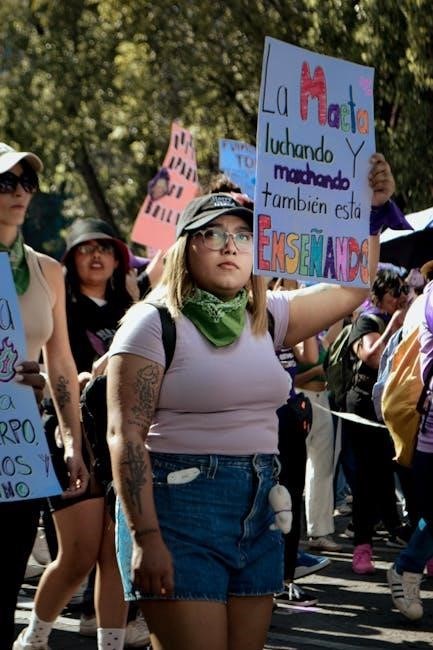
Key themes, detailed in PDF reports, encompass gender equality, empowerment, and combating violence; these areas drive International Women’s Day’s crucial advocacy efforts.
Gender Equality in the Workplace
International Women’s Day powerfully underscores the critical need for gender equality within professional environments, a theme extensively documented in readily available PDF reports and data analyses.
These resources highlight persistent disparities in pay, leadership representation, and opportunities for advancement, emphasizing the importance of proactive measures to dismantle systemic barriers.

PDFs detailing historical trends reveal a gradual, yet often uneven, progression towards workplace inclusivity, showcasing the impact of advocacy and policy changes over time.
Contemporary PDFs from organizations like Microsoft, alongside academic studies, demonstrate the economic benefits of diverse teams and inclusive leadership, advocating for equitable practices.
Further, these documents outline strategies for fostering supportive work cultures, addressing unconscious bias, and promoting mentorship programs to empower women professionally, driving lasting change.
Women’s Leadership and Empowerment
International Women’s Day serves as a vital catalyst for promoting women’s leadership and empowerment, a subject thoroughly explored within numerous accessible PDF documents and research papers.
These resources emphasize the underrepresentation of women in decision-making roles across various sectors, highlighting the necessity of targeted initiatives to cultivate female leaders.
Historical PDFs charting the suffrage movement and early 20th-century labor activism demonstrate the long-fought battle for women’s political and economic agency.
Modern PDF reports showcase successful leadership programs and mentorship opportunities designed to equip women with the skills and confidence to excel, including examples from global corporations.
Furthermore, these documents advocate for policies that support work-life balance, address gender bias, and create inclusive environments where women can thrive and reach their full potential.
Combating Gender-Based Violence
International Women’s Day provides a crucial platform for raising awareness and mobilizing action against gender-based violence, a critical issue extensively documented in available PDF reports and advocacy materials.
These resources detail the pervasive nature of violence against women and girls, encompassing physical, sexual, psychological, and economic abuse, and its devastating consequences for individuals and communities.
Historical PDFs reveal the historical roots of gender inequality and the normalization of violence, while contemporary reports highlight emerging forms of abuse, including online harassment.
PDF documents from organizations dedicated to combating violence outline prevention strategies, support services for survivors, and legal frameworks for prosecution and accountability.
The day serves as a reminder of the urgent need for collective action to challenge harmful norms, empower survivors, and create a world free from gender-based violence.

International Women’s Day: A Historical Perspective (1911-1926)
PDFs of periodical press from 1917-1926 reveal the day’s early focus, showcasing suffrage movements and evolving themes, vital for historical understanding.
Analysis of Periodical Press from 1917-1926
Original copies of local periodical press from 1917-1926, readily available in PDF format, offer invaluable insights into the nascent stages of International Women’s Day celebrations. These digitized historical documents demonstrate a clear shift in the day’s purpose over time, initially heavily focused on securing suffrage and labor rights for women.
PDF analysis reveals how early articles detailed organizing efforts, public demonstrations, and the growing momentum of the women’s movement. Examining these sources allows researchers to trace the evolution of key themes and identify the prominent voices advocating for change. The accessibility of these PDF archives is crucial for understanding the historical context and appreciating the struggles faced by early feminists.
Furthermore, the PDFs highlight the diverse perspectives present during this period, showcasing both support and opposition to women’s rights. This nuanced understanding is essential for a comprehensive historical analysis, and the preservation of these documents in PDF format ensures their accessibility for future generations of scholars.
The Shift in Focus Over Time
Analyzing digitized periodical press in PDF format from 1917-1926 reveals a compelling evolution in the focus of International Women’s Day. Initially, the emphasis was overwhelmingly on securing fundamental rights like suffrage, as evidenced by articles detailing organizing efforts and political campaigns within these PDF archives.
However, over the decade, a discernible shift occurred, with increasing attention given to broader issues of women’s economic empowerment and social justice. PDF documents showcase a growing awareness of gender-based violence and the need for improved working conditions. This transition reflects the expanding scope of the women’s movement and its evolving priorities.
The availability of these historical PDFs allows researchers to trace this transformation, demonstrating how International Women’s Day gradually broadened its agenda beyond simply achieving the right to vote, becoming a platform for advocating for comprehensive gender equality. These PDF resources are vital for understanding this historical trajectory.
Early Suffrage Movements and Their Impact
Early 20th-century suffrage movements, extensively documented in historical PDFs, were pivotal in establishing International Women’s Day as a platform for demanding political enfranchisement. These PDF archives reveal detailed accounts of protests, lobbying efforts, and the strategic organizing employed by suffragists across various nations.
The impact of these movements extended beyond securing the vote; they fostered a sense of collective identity and empowered women to challenge traditional gender roles. Analysis of PDF periodical press from the period demonstrates a growing public discourse surrounding women’s rights and capabilities.
These early campaigns laid the groundwork for subsequent feminist activism and shaped the core principles of International Women’s Day. Accessing these historical PDF documents provides invaluable insight into the origins and enduring legacy of the fight for women’s suffrage and equality.
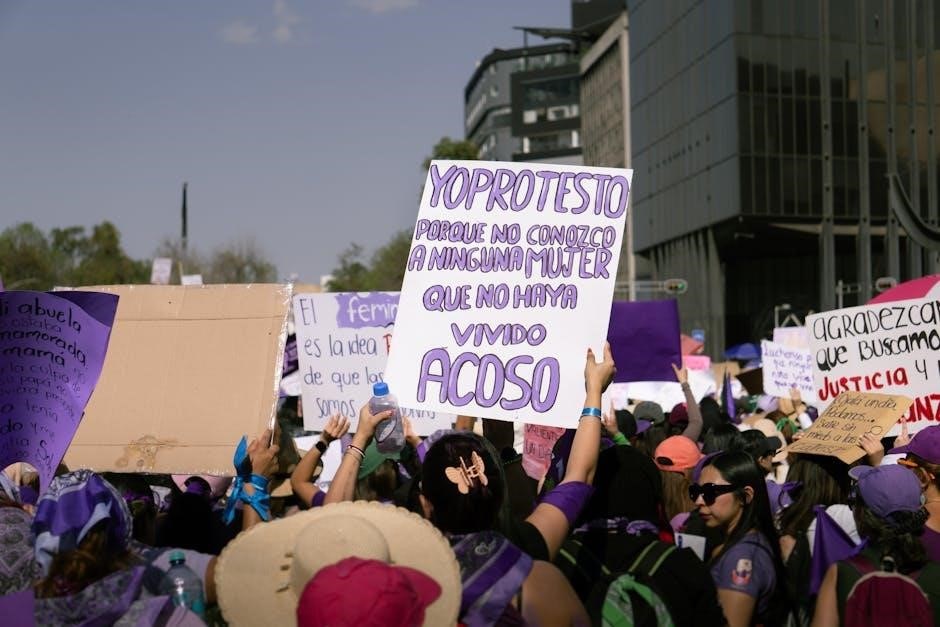
Resources and Further Information (PDF Focus)
PDF reports and data concerning International Women’s Day are readily available, offering educational resources and historical documents for deeper understanding and research.
Availability of IWD Reports and Data in PDF Format
International Women’s Day (IWD) reports and crucial data are extensively accessible in PDF format from various organizations globally. These documents comprehensively detail the historical context, evolving significance, and contemporary challenges surrounding women’s rights and gender equality.
Numerous governmental and non-governmental organizations publish annual IWD-focused PDFs, encompassing statistical analyses, progress reports, and policy recommendations. Accessing these resources provides invaluable insights into the current global landscape for women, highlighting areas of advancement and persistent inequalities.
Furthermore, academic institutions and research centers often disseminate scholarly articles and studies related to IWD as PDFs, offering in-depth analyses of specific themes and regional contexts. Historical documents, including periodical press from the early 20th century (available in PDF archives), illuminate the day’s origins and evolution.
These PDF resources are vital for educators, researchers, advocates, and anyone seeking a comprehensive understanding of IWD and the ongoing pursuit of gender equality worldwide.
Utilizing PDF Documents for Educational Purposes
PDF documents relating to International Women’s Day (IWD) are exceptionally valuable educational tools, offering a concentrated source of information for students and educators alike. These resources facilitate a deeper understanding of the historical roots, societal impact, and ongoing relevance of IWD.
Historical PDFs, such as digitized periodical press from 1917-1926, provide primary source material, enabling students to analyze perspectives from the early movement. Contemporary reports in PDF format present current data on gender equality, empowering critical thinking and informed discussions.
Educators can utilize these PDFs to create engaging lesson plans, research assignments, and presentations. The accessibility of PDFs allows for easy distribution and integration into various learning platforms. Furthermore, they support diverse learning styles through textual analysis and data interpretation.
By leveraging these resources, educators can foster a more nuanced and comprehensive understanding of IWD’s significance and inspire future generations to champion gender equality;
Accessing Historical Documents Related to IWD (PDFs)
PDF archives are crucial for accessing primary source materials documenting the evolution of International Women’s Day (IWD). Digitized periodical press from 1917-1926, often available as PDFs, offer invaluable insights into the early struggles and triumphs of the women’s suffrage movement.
Online repositories and academic databases frequently host these historical PDFs, providing researchers and students with direct access to original texts. Searching for keywords like “International Women’s Day,” “suffrage,” and specific years (e.g., “1911-1926”) yields relevant results.
Furthermore, organizations dedicated to women’s history often curate collections of historical PDF documents on their websites. These resources allow for a detailed examination of the changing focus and significance of IWD over time, fostering a deeper understanding of its legacy.
Utilizing these PDFs enables a more informed and nuanced perspective on the historical context of IWD.
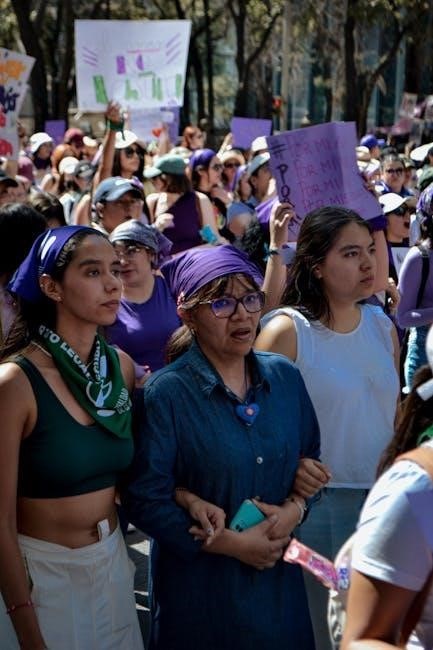
The Modern Celebration of International Women’s Day
PDF reports reveal a shift; IWD balances political significance with commercialization, yet continued advocacy, documented in PDFs, remains vitally important today.
Commercialization vs. Political Significance
International Women’s Day faces a complex dynamic where genuine advocacy sometimes clashes with commercial interests, a trend increasingly documented in readily available PDF reports and analyses.
While corporate sponsorships and marketing campaigns raise awareness, concerns arise regarding the potential dilution of the day’s original political message – a message deeply rooted in labor movements and suffrage, as evidenced by historical periodical press accessible in PDF format.
Critical examination, often found within academic PDFs, suggests a need to distinguish between performative allyship and substantive action. The accessibility of IWD reports in PDFs allows for detailed scrutiny of these trends.
Maintaining the day’s core focus on gender equality, combating violence, and empowering women requires conscious effort to prioritize political significance over purely commercial gains, a point consistently emphasized in advocacy group PDF publications.
The Importance of Continued Advocacy
Despite progress, sustained advocacy remains crucial for achieving true gender equality, a point consistently reinforced within comprehensive PDF reports detailing global women’s rights issues.
Historical analysis, readily available in digitized periodical press PDFs from the early 20th century, demonstrates that rights are not automatically granted but are won through persistent effort and collective action.
Contemporary challenges, outlined in numerous advocacy organization PDFs, necessitate ongoing campaigns addressing issues like workplace discrimination, gender-based violence, and unequal representation in leadership.
Accessing and disseminating information through PDF documents – including research, policy briefs, and educational materials – empowers individuals and organizations to effectively advocate for change and ensure that the spirit of International Women’s Day endures.
Prayer Times and Cultural Observances (Lahore, Pakistan Example)
While International Women’s Day is globally recognized, its observance often intertwines with local cultural and religious practices, as seen in Lahore, Pakistan, where daily prayer times structure community life;
Understanding these contexts is vital when analyzing advocacy efforts, as detailed in PDF reports focusing on women’s rights within specific cultural frameworks.
PDF documents from Pakistani organizations often highlight how cultural norms impact women’s access to education, employment, and legal protections, necessitating tailored advocacy strategies.
Acknowledging the significance of religious observances, like the five daily prayers (Fajr, Dhuhr, Asr, Maghrib, Isha) – timings available in PDF schedules – demonstrates respect for local traditions while promoting gender equality, fostering inclusive dialogue and impactful change.

Looking Ahead: The Future of International Women’s Day
PDF analyses predict evolving women’s rights trends, emphasizing corporate roles in equality, and highlighting the continued need for advocacy, as detailed in reports.
Emerging Trends in Women’s Rights
Emerging trends, documented extensively in readily available PDF reports, reveal a growing focus on intersectionality, acknowledging the diverse experiences of women globally. These reports detail the increasing demand for economic justice, encompassing equal pay, access to capital, and financial inclusion, all crucial aspects highlighted annually on International Women’s Day.
Furthermore, PDF analyses demonstrate a surge in activism surrounding digital rights and online safety for women, combating cyber harassment and promoting responsible technology use. The influence of technology, exemplified by companies like Microsoft, is increasingly scrutinized regarding its impact on gender equality, with PDF documents outlining corporate social responsibility initiatives.
A significant trend is the heightened awareness of climate change’s disproportionate impact on women, driving advocacy for climate justice and sustainable development, as evidenced in numerous PDF publications. These evolving trends underscore the continued relevance of International Women’s Day as a catalyst for progress and a platform for amplifying women’s voices.
The Role of Global Corporations in Promoting Equality
Global corporations, increasingly under scrutiny, are recognizing the importance of actively promoting gender equality, a theme central to International Women’s Day, as detailed in numerous corporate social responsibility PDF reports. These PDFs showcase initiatives like inclusive hiring practices, mentorship programs, and pay equity audits, demonstrating a commitment to fostering diverse and equitable workplaces.
Companies like Microsoft, highlighted in recent analyses, are investing in programs to empower women in STEM fields, addressing the gender gap in technology, information readily available in their annual impact PDFs. Furthermore, corporations are leveraging their platforms to advocate for policies supporting women’s rights and economic empowerment, documented in publicly accessible PDF statements.
However, PDF analyses also reveal a need for greater transparency and accountability, urging corporations to move beyond symbolic gestures and implement meaningful, measurable changes to advance gender equality globally, aligning with the spirit of International Women’s Day.
Predictions and Expectations for 2026 and Beyond
Looking ahead to 2026 and beyond, the relevance of International Women’s Day, as evidenced by evolving PDF reports, is expected to intensify, driven by ongoing global conversations surrounding gender equality and women’s empowerment. Future PDF analyses predict a greater emphasis on intersectionality, acknowledging the diverse experiences of women across different backgrounds.
Increased scrutiny of corporate commitments, detailed in sustainability PDFs, will demand demonstrable progress, moving beyond performative allyship. Technological advancements, particularly in AI – as Microsoft’s trajectory suggests – will necessitate proactive measures to mitigate bias and ensure equitable access, documented in forthcoming technology ethics PDFs.
Expectations include a stronger focus on combating gender-based violence and promoting women’s leadership, with detailed progress reports available in future International Women’s Day impact PDFs, signaling a continued push for systemic change.