
Labor time guides are essential resources for mechanics, providing standard measurements for repair tasks․ These guides ensure consistent and accurate estimations
within the automotive industry․
What are Labor Time Guides?
Labor time guides are meticulously compiled databases detailing the estimated time required for specific automotive repair and maintenance procedures․ They aren’t simply guesses; instead, they represent industry-accepted standards developed through extensive observation and analysis of skilled technicians performing tasks․
These guides break down each repair into individual steps, assigning a precise time allowance to each․ This granular approach accounts for disassembly, inspection, parts replacement, reassembly, and any necessary testing; They serve as a benchmark for mechanics, dealerships, and repair shops, ensuring fair and consistent labor charges․ Essentially, they provide a common language for estimating repair costs and managing workflow efficiency․
Why are Labor Time Guides Important for Mechanics?
Labor time guides are crucial for mechanics as they establish a foundation for accurate job costing and efficient workflow․ Utilizing these guides ensures mechanics can provide customers with transparent and justifiable estimates, building trust and avoiding disputes․
Furthermore, guides aid in scheduling repairs effectively, allowing for realistic completion time projections․ They also serve as valuable training tools, showcasing the proper sequence and expected duration of complex procedures․ By adhering to standard times, mechanics can maintain profitability while delivering high-quality service within the automotive repair industry․ They promote consistency and professionalism․
Understanding Standard Labor Times
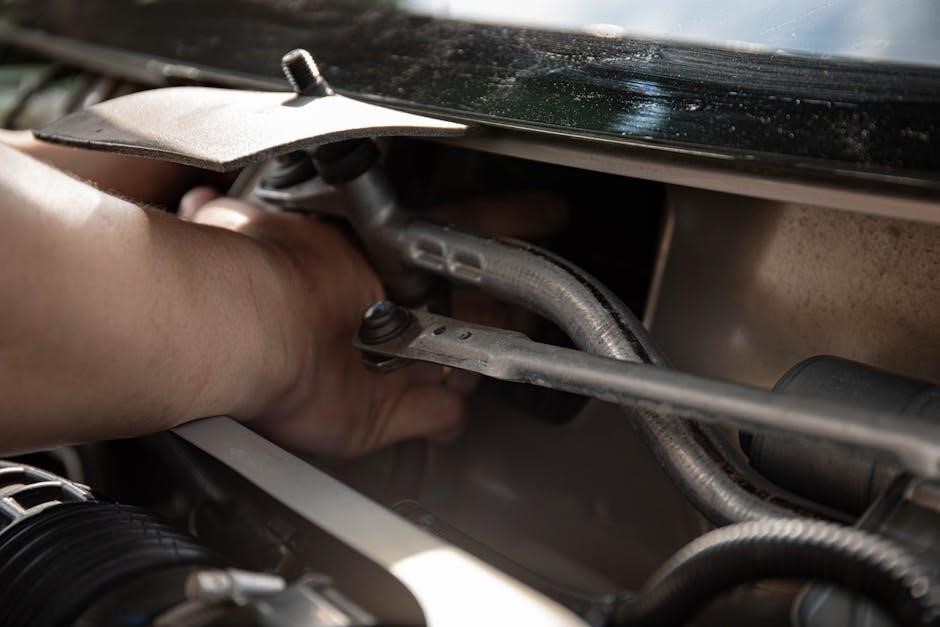
Standard labor times represent the baseline for repair durations, reflecting the average skilled technician’s effort for specific automotive tasks․
Defining Standard Hours
Standard hours within automotive labor time guides aren’t simply clock time; they represent a meticulously calculated unit of measurement; These hours account for a proficient, experienced mechanic working under ideal conditions, utilizing the necessary tools and following established procedures․
Essentially, a standard hour embodies a baseline efficiency; It doesn’t include breaks, administrative tasks, or delays caused by parts availability․ Instead, it focuses purely on the hands-on repair time․ This standardized approach allows for consistent estimations across different shops and technicians, fostering fairness and transparency in the repair process․
Understanding this definition is crucial for both mechanics and customers, ensuring realistic expectations regarding repair timelines and associated costs․
Factors Influencing Standard Labor Times
Several key elements impact the standard labor times established in mechanic guides․ Vehicle complexity is paramount; newer models with advanced technology naturally require more time for repairs․ Manufacturer specifications and repair procedures also heavily influence these times, dictating the correct, albeit potentially lengthy, approach․
Technician skill level is implicitly considered – guides assume a competent professional․ However, unforeseen issues during a repair, like corrosion or damaged parts, can extend the actual time needed․ Furthermore, the availability of specialized tools and diagnostic equipment plays a role, potentially adding to the overall labor estimate․
These factors collectively shape the accuracy and reliability of the time estimates provided․
The Role of Automotive Manufacturers in Setting Standards
Automotive manufacturers play a crucial, foundational role in establishing labor time standards․ They initially define the procedures and estimated times for repairs on their vehicles, documented in service manuals and technical bulletins․ This information forms the basis for independent guide providers․
Manufacturers utilize internal data from testing and assembly line experience to determine realistic repair durations․ These standards, often called Service Labor Time Standards (SLTS), are vital for warranty claims and dealer service departments․
While manufacturers set the initial benchmarks, third-party guides refine and expand upon them, incorporating real-world mechanic feedback and broader industry data․

Popular Labor Time Guide Providers
Mitchell 1, Alldata, and Motor Information Systems are leading providers of automotive labor time guides, offering comprehensive data for efficient repair estimations․
Mitchell 1
Mitchell 1 has been a cornerstone in the automotive repair industry for decades, renowned for its detailed and frequently updated labor time guides․ Their ProDemand platform delivers precise repair procedures, parts pricing, and diagnostic information alongside estimated labor times․
Mechanics rely on Mitchell 1 for its extensive vehicle coverage, encompassing both domestic and foreign models․ The system’s intuitive interface allows for quick searches and efficient access to the necessary data․ It provides validated labor standards, ensuring accurate estimates and streamlined workflows․
Furthermore, Mitchell 1 integrates seamlessly with shop management systems, enhancing overall efficiency and profitability․ Regular updates reflect the ever-evolving landscape of vehicle technology, making it a trusted resource for professional technicians․
Alldata
Alldata is a widely-used labor time guide provider, offering comprehensive repair information and labor estimates to automotive professionals․ Their platform delivers detailed diagnostic flowcharts, technical service bulletins, and component diagrams, alongside accurate standard repair times․
Alldata’s strength lies in its focus on real-world technician feedback, ensuring the information is practical and reliable․ Mechanics appreciate the system’s ability to pinpoint common issues and provide effective repair solutions․ It supports efficient diagnostics and accurate job costing․
Regular updates keep Alldata current with the latest vehicle models and repair techniques․ Integration with shop management software further streamlines operations, boosting productivity and customer satisfaction․
Motor Information Systems
Motor Information Systems (MIS) provides a robust labor time guide solution for automotive repair shops, offering a vast database of repair procedures and standard times․ It’s known for its detailed illustrations and step-by-step instructions, aiding technicians in completing repairs efficiently and accurately․
MIS distinguishes itself with its emphasis on OEM (Original Equipment Manufacturer) information, ensuring technicians have access to the most up-to-date and precise repair data․ This focus minimizes guesswork and reduces the risk of incorrect repairs․
The system also includes valuable features like parts ordering integration and diagnostic trouble code (DTC) definitions, streamlining the repair process and enhancing shop productivity․

Using Labor Time Guides Effectively
Effectively utilizing guides requires navigating interfaces, searching for specific procedures, and accurately interpreting labor time estimates for precise repair planning and billing․
Navigating Guide Interfaces
Modern labor time guides, like Mitchell 1 and Alldata, present information through digital interfaces․ These platforms typically feature a search bar allowing mechanics to quickly locate repairs by year, make, and model․
Upon selecting a vehicle, the guide displays a menu of repair categories – engine, transmission, brakes, and so on․ Within each category, specific procedures are listed with associated labor times․
Many guides utilize a tiered system, offering details on preliminary work, component removal, core repair, and reinstallation․ Understanding this structure is crucial․ Furthermore, most platforms offer options to filter results, view diagrams, and access technical service bulletins (TSBs) directly within the interface, streamlining the diagnostic and repair process․
Searching for Specific Repair Procedures
Effective searching within a labor time guide begins with precise keywords․ Instead of “brakes,” use “front brake pad replacement” for targeted results․ Most guides allow searching by trouble code (DTC) directly, accelerating diagnosis․
Utilize the vehicle’s VIN for accurate model identification, ensuring the correct labor times are displayed․ Explore the guide’s “quick search” function for common repairs․
Pay attention to variations – a “R&R” (remove and replace) search will differ from a search for “diagnosis․” Many guides offer Boolean search operators (AND, OR, NOT) for complex queries․ Always verify the search results match the specific repair needed, cross-referencing with vehicle specifications․
Interpreting Labor Time Estimates

Labor time estimates are presented in “hours and minutes,” often as decimals (e․g․, 2․5 hours = 2 hours 30 minutes)․ Understand these are standard times, representing skilled technician performance under ideal conditions․
Guides often categorize time allowances – “diagnostic time” is separate from “repair time․” Scrutinize the included operations; a “brake job” might not include rotor resurfacing․
Consider “labor multipliers” – a shop’s rate applied to the standard time․ Always review the guide’s footnotes for specific notes or exclusions․ Don’t assume the estimate is fixed; unforeseen complications can extend repair duration․ Accurate interpretation ensures fair pricing and customer satisfaction․
Beyond Standard Times: Additional Considerations
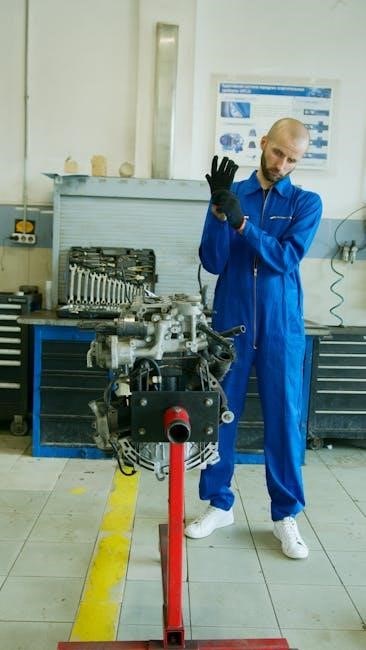
Supplemental labor, diagnostic efforts, and complex R&I procedures often exceed standard times․ Mechanics must account for these factors when estimating total repair durations․
Supplemental Labor
Supplemental labor represents additional time needed beyond the standard repair time outlined in labor time guides․ This often arises from unforeseen complications during a repair, such as corrosion, damaged parts not initially identified, or difficulty accessing components․
Guides frequently include allowances for common supplemental tasks, but mechanics must exercise judgment and add time for unique situations․ For instance, seized bolts, stripped threads, or the need for fabrication of minor parts all warrant extra labor․ Accurate documentation of these supplemental tasks is crucial for transparent billing and justifying the total repair time to customers․ Ignoring these factors can lead to underestimation and potential financial loss for the repair shop․
Diagnostic Time
Diagnostic time is a critical, yet often underestimated, component of automotive repair․ While labor time guides primarily focus on repair procedures, they don’t fully encompass the time required to accurately pinpoint the root cause of a vehicle’s issue․ This involves utilizing scan tools, performing visual inspections, conducting test drives, and interpreting diagnostic data․

Effective diagnostics can significantly impact the overall repair time․ A thorough diagnosis minimizes wasted effort on incorrect repairs․ Shops often allocate a separate labor rate for diagnostic services, recognizing its specialized skill and importance․ Accurate tracking of diagnostic time is essential for profitability and transparent customer billing, ensuring fair compensation for expertise․
R&I (Remove and Replace) Time vs․ Actual Time
Labor time guides provide R&I (Remove and Replace) time estimates, representing the standard duration for component removal and installation․ However, these estimates don’t always align with the ‘actual’ time a mechanic spends on a job․ Factors like corrosion, seized fasteners, or unexpected complications can extend the process significantly․
Experienced technicians learn to anticipate potential issues and adjust their time accordingly․ Simply adhering to guide times without considering real-world conditions can lead to inaccurate estimates and customer dissatisfaction․ Supplementing guide times with a buffer for unforeseen challenges is a best practice, ensuring both profitability and realistic expectations․

The Impact of Vehicle Complexity on Labor Times
Modern vehicles, with ADAS and hybrid systems, demand increased repair time․ Labor time guides must adapt to these complexities, reflecting specialized skills and tool requirements․
Advanced Driver-Assistance Systems (ADAS) Calibration
ADAS calibration significantly impacts labor times due to its precision requirements․ These systems, including lane departure warning and adaptive cruise control, necessitate meticulous alignment after any related repair – even a simple windshield replacement․
Labor time guides now incorporate specific procedures and allotted time for static and dynamic calibrations, often requiring specialized equipment and trained technicians․ Ignoring calibration can compromise safety, leading to inaccurate system operation․ The complexity varies by vehicle make and model, influencing the estimated time․
Guides detail the necessary steps, from target placement to software updates, ensuring accurate billing and repair completion․ Proper ADAS calibration is no longer optional; it’s a critical component of modern automotive repair, reflected in evolving labor standards․
Hybrid and Electric Vehicle Repairs
Hybrid and Electric Vehicle (EV) repairs present unique challenges impacting labor times․ High-voltage systems demand specialized training and safety protocols, extending repair durations․ Labor time guides are adapting to include detailed procedures for battery service, inverter replacements, and electric motor diagnostics․
Unlike traditional automotive work, EV repairs often require disconnecting and isolating high-voltage components, adding significant time․ Guides now specify time allowances for these safety steps, alongside diagnostic procedures unique to EVs․
Furthermore, the limited availability of qualified technicians and specialized tools influences labor costs and completion time․ Accurate labor estimates are crucial, reflecting the increased complexity and safety considerations inherent in hybrid and EV repairs․
Specialty Tool Requirements and Time
Modern automotive repairs increasingly demand specialized tools, directly impacting labor times; Labor time guides often incorporate allowances for tool setup, calibration, and the learning curve associated with new technologies․ Access to these tools isn’t always immediate, adding to overall repair duration․
Many manufacturers require specific diagnostic equipment or proprietary tools for certain procedures․ Guides may detail the necessary tools and estimate the time needed to acquire them if not readily available․
Ignoring these tool requirements leads to inaccurate estimates and delays․ Technicians must factor in the time to locate, prepare, and properly utilize these tools, ensuring efficient and accurate repairs, reflected in comprehensive labor calculations․

Labor Time and Customer Billing
Labor time guides facilitate transparent billing practices, allowing mechanics to justify charges based on industry standards․ Accurate estimates build trust with customers and ensure fair pricing․
Transparency with Customers
Transparency is paramount when discussing repair costs with customers․ Utilizing a labor time guide demonstrates a commitment to fair and standardized pricing, fostering trust and avoiding disputes․ Clearly explain how the estimated time is derived, referencing the guide’s data for specific procedures;
Break down the invoice, separating parts costs from labor charges․ Presenting a detailed estimate beforehand allows customers to understand the scope of work and associated expenses․ Open communication regarding potential adjustments to the time estimate, should unforeseen issues arise during the repair, is crucial․
Customers appreciate honesty and a willingness to explain the reasoning behind the charges․ By leveraging labor time guides and communicating effectively, mechanics can build strong, lasting relationships based on integrity and mutual respect․
Justifying Labor Charges
Labor time guides provide a solid foundation for justifying repair costs to customers․ These guides represent industry-accepted standards, reflecting the reasonable time required for skilled technicians to complete specific tasks․ Referencing the guide demonstrates that charges aren’t arbitrary but based on established benchmarks․
Explain that standard labor times account for diagnostic procedures, component removal and installation, and any necessary testing․ Highlight the expertise and training required to perform these repairs correctly and efficiently․ A detailed invoice, referencing the guide’s specific time allowances, reinforces the value provided․
Using a reputable guide builds confidence and demonstrates professionalism, effectively communicating that pricing reflects both skill and time invested in the vehicle’s repair․
The Importance of Accurate Estimates
Accurate estimates, powered by labor time guides, are crucial for fostering trust with customers and ensuring a smooth repair process․ Underestimating labor can lead to financial losses for the shop and dissatisfaction for the vehicle owner․ Conversely, inflated estimates erode customer confidence․
Labor guides provide a realistic baseline, allowing technicians to account for potential complications or unforeseen issues․ Transparently communicating the estimated time and associated costs upfront prevents surprises and builds a positive relationship․
Detailed estimates, referencing specific standard labor times, demonstrate professionalism and a commitment to fair pricing, ultimately leading to increased customer loyalty and repeat business․