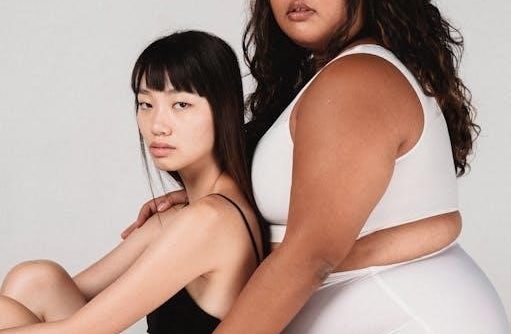
Navigating the world of ladies underwear sizing can be tricky, with variations in cuts, fabrics, and brands impacting the perfect fit.
Understanding these nuances ensures comfort and confidence, avoiding common issues like riding up or feeling too tight.
Why Accurate Sizing Matters
Proper underwear sizing isn’t merely about aesthetics; it’s fundamentally linked to hygiene and overall well-being. Ill-fitting underwear can cause chafing, irritation, and even contribute to yeast infections due to trapped moisture and friction. A correct fit promotes airflow and supports a healthy intimate environment.
Beyond physical health, accurate sizing boosts confidence. Underwear that fits well remains discreet under clothing, preventing visible panty lines and ensuring a smooth silhouette. Choosing the right size also enhances comfort throughout the day, allowing for unrestricted movement and a feeling of security.
Understanding Body Shape Variations
Women’s bodies are wonderfully diverse, and standard size charts don’t always account for individual variations. Factors like waist-to-hip ratio, body length, and muscle mass significantly influence how underwear fits. Some may have a straighter figure, while others are more curvaceous, impacting where underwear sits and how it feels;
It’s crucial to recognize that size is a number, and fit is paramount. Don’t solely rely on the label; consider your unique shape. Understanding your body type – pear, apple, hourglass, or rectangle – can guide your choices and help you find styles that flatter and support you comfortably.
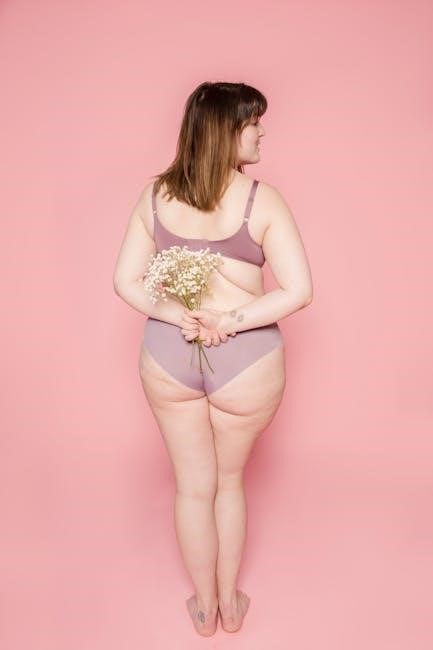
Standard US/UK Ladies Underwear Sizes
Generally, US and UK sizes correlate with waist and hip measurements, though variations exist. Common sizes range from 6 to 16, with increasing measurements for larger sizes.
Size Charts: Waist & Hip Measurements
Accurate measurements are crucial for finding the right fit. Waist measurement should be taken at the narrowest point, typically above the navel, keeping the tape measure comfortably loose. Hip measurement should be taken at the fullest part of the hips and buttocks, again ensuring a relaxed, not tight, fit.
Here’s a general guide (sizes can vary by brand):
- Size 6: Waist 23-24″, Hips 32-33″
- Size 8: Waist 25-26″, Hips 34-35″
- Size 10: Waist 27-28″, Hips 36-37″
- Size 12: Waist 29-30″, Hips 38-39″
- Size 14: Waist 31-32″, Hips 40-41″
- Size 16: Waist 33-34″, Hips 42-43″
Remember to consult specific brand charts, as these are guidelines only.
Bra Size Correlation to Underwear Size
While not a direct science, bra size can offer a general indication of underwear size. Women with larger busts often require larger underwear sizes, particularly in the waist and hip area, to ensure a comfortable and secure fit. Conversely, those with smaller busts may find they fit into smaller underwear sizes.
However, body shape plays a significant role; a woman with a larger bottom but smaller bust might need a larger underwear size than her bra size suggests. It’s always best to prioritize waist and hip measurements for the most accurate fit, rather than relying solely on bra size.

European & International Sizing Conversions
Understanding international sizing is crucial when shopping abroad; EU sizes generally run larger than US/UK sizes, while Asian sizing often differs significantly, requiring careful chart comparisons.
Converting US/UK Sizes to EU Sizes
Generally, converting US/UK underwear sizes to European sizes requires adding approximately one to two sizes. For instance, a US size 6-8 typically translates to a European size 38-40. However, this is a broad guideline, and variations exist between brands. Always consult specific brand size charts for the most accurate conversion.
It’s essential to remember that European sizing tends to be more consistent with actual body measurements, while US/UK sizes can vary. When in doubt, prioritize hip and waist measurements over relying solely on the converted size. Checking retailer-specific guides is also highly recommended, as they often provide detailed conversion tables tailored to their stock.
Asian Sizing Differences
Asian underwear sizing, particularly from countries like China and Japan, often runs significantly smaller than US/UK or European sizes. Expect to add two to three sizes, or even more, when converting. A US size 8 might equate to an Asian size L or even XL.
Fabric composition and cut also play a role; Asian styles frequently cater to smaller frames. Always prioritize detailed measurements – waist and hip – and meticulously compare them to the brand’s specific size chart. Reading customer reviews can provide valuable insights into the accuracy of sizing before purchasing.
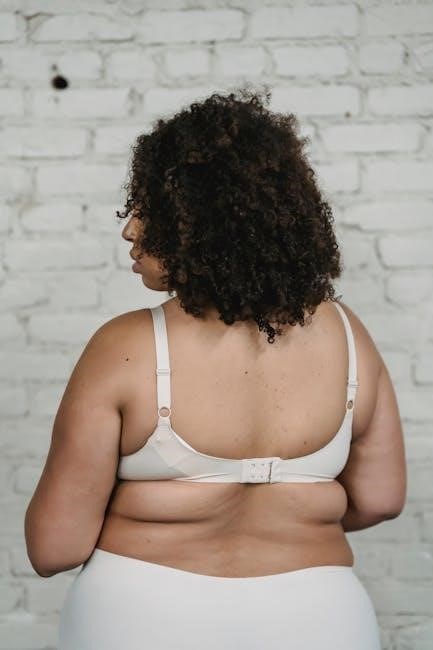
Types of Underwear & Their Specific Fits
Different underwear styles—briefs, hipsters, thongs, boy shorts, and high-waisted—require varying fits for optimal comfort and support, impacting size selection.
Briefs: Classic Coverage
Briefs offer full coverage across the bottom and hips, a timeless and popular choice for everyday wear. When selecting briefs, focus on the waistband – it shouldn’t dig in or leave marks. The leg openings should lie flat against your skin without binding.
Consider your hip measurement as a primary guide, as briefs sit around this area. A properly fitted brief will provide a secure, comfortable feel, minimizing any potential for riding up or rolling down.
Fabric composition also plays a role; cotton briefs offer breathability, while microfiber provides a smoother fit.
Hipsters: Low-Rise Comfort
Hipsters sit lower on the waist than briefs, offering a modern and comfortable fit. They typically provide moderate rear coverage, making them a versatile option for various outfits. When choosing hipsters, pay attention to the waistband’s placement – it should sit comfortably on your hips without slipping.
Ensure the leg openings aren’t too tight, preventing digging or chafing.
Your waist and hip measurements are crucial for a good fit. Look for styles with a soft, flexible waistband for all-day comfort and a smooth look under clothing.
Thongs & G-Strings: Minimal Coverage
Thongs and G-strings offer the least amount of rear coverage, designed to be invisible under fitted clothing. Sizing is particularly important with these styles to avoid discomfort or visible panty lines. Focus on a snug, but not constricting, fit around the hips and waist.
Pay attention to the fabric – softer materials like cotton or microfiber are more comfortable.
Consider the gusset material for hygiene and breathability. Accurate hip measurements are key to finding the right size, preventing digging or riding up.
Boy Shorts: Full Coverage & Support
Boy shorts provide substantial coverage, resembling shorter boxer shorts, offering a comfortable and secure feel. When selecting boy shorts, prioritize a fit that doesn’t bind or create lines under clothing. Waist and hip measurements are crucial, as these styles often sit lower on the hips.
Look for wider waistbands for added support and to prevent rolling.
Consider the leg openings – they shouldn’t be too tight, causing digging, or too loose, compromising support.
High-Waisted Underwear: Shaping & Control
High-waisted underwear extends to or above the natural waist, offering shaping and smoothing benefits. Accurate waist measurement is paramount for a comfortable, supportive fit; avoid styles that dig in or feel restrictive. These designs often provide gentle tummy control.
Consider the rise – higher rises offer more coverage and shaping.
Look for seamless edges to minimize visible panty lines under clothing. Stretch and recovery are key for maintaining shape throughout the day.
Measuring for the Perfect Fit
Precise measurements of your waist and hips are crucial for selecting the correct underwear size, ensuring both comfort and a flattering silhouette.
How to Accurately Measure Your Waist
Stand naturally and relax your abdomen; do not suck in your stomach. Use a flexible measuring tape, ensuring it’s level all the way around your torso. Position the tape at your natural waistline – typically the narrowest part of your waist, usually above your belly button and below your ribcage.
Keep the tape comfortably snug, not too tight or loose. Exhale normally and record the measurement in inches or centimeters. It’s helpful to have someone assist you for greater accuracy, especially if you have difficulty reaching around your back. Repeat the measurement a couple of times to confirm consistency.
How to Accurately Measure Your Hips
Stand with your feet together and your weight evenly distributed. Ensure your posture is relaxed and natural. Wrap a flexible measuring tape around the fullest part of your hips and buttocks, keeping it level all the way around;
The tape should sit approximately 9-10 inches below your waistline. Don’t pull the tape too tightly; it should be comfortably snug against your skin. Exhale normally and record the measurement in inches or centimeters. Having a friend assist can improve accuracy, ensuring a consistent and reliable hip measurement.
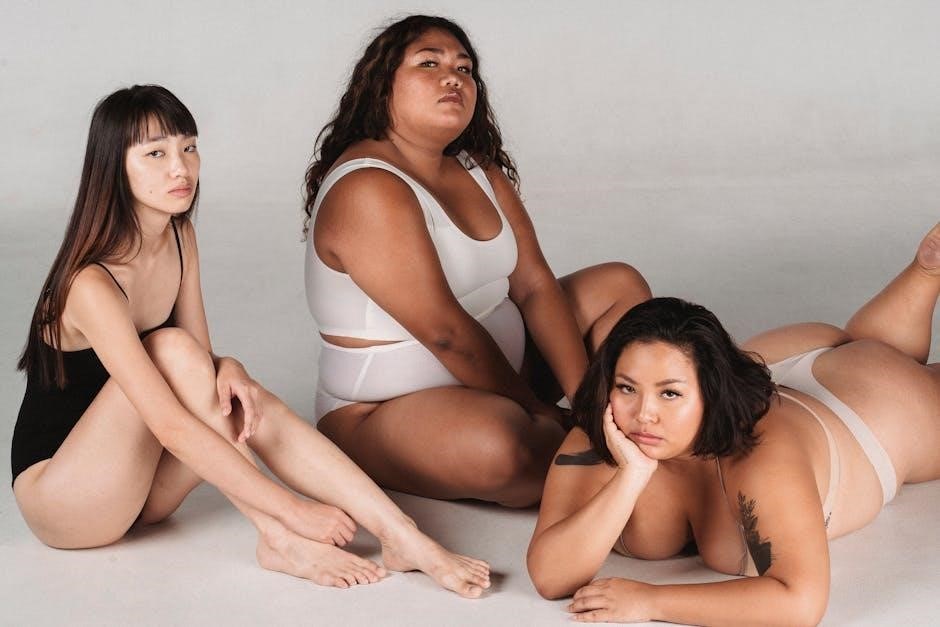
Understanding Fabric & Stretch
Fabric composition significantly impacts underwear fit; consider stretch and recovery properties. Materials like spandex offer flexibility, while cotton provides breathability and comfort.
Impact of Fabric Composition on Size
The type of fabric greatly influences how underwear fits and feels, impacting sizing choices. Natural fibers like cotton offer less stretch, meaning a closer fit might be preferable to allow for movement. Conversely, synthetic fabrics such as nylon and spandex boast significant elasticity.
Underwear with a higher spandex content will generally feel more forgiving and may allow you to size down, as the fabric conforms to your body. However, be mindful of potential compression. Blends offer a balance, combining comfort and stretch. Always consider the fabric’s inherent properties when selecting your size.
Considering Stretch & Recovery
Evaluating a fabric’s stretch and recovery is crucial for finding well-fitting underwear. High-stretch materials, like those with Lycra or Spandex, offer flexibility but can lose shape over time if the recovery isn’t excellent. A fabric with good recovery will consistently return to its original form after being stretched.
Poor recovery leads to sagging and a less supportive fit. When trying on underwear, gently stretch the fabric to assess its bounce-back ability. Consider how often you’ll be washing the garment; frequent washing can degrade stretch fibers, impacting longevity and fit.

Common Sizing Issues & Solutions
Frequent problems include underwear riding up, rolling down, or feeling too tight/loose. Solutions involve checking size charts, adjusting waistbands, and selecting appropriate styles.
Underwear Riding Up or Rolling Down
Persistent issues with underwear riding up often indicate a poor fit, particularly in the leg openings or rise. Consider sizing up, or exploring styles with wider gussets and leg bands for increased stability. Rolling down frequently suggests the waistband lacks sufficient grip; look for options with elasticized waistbands or those designed to sit higher on the waist.
Fabric plays a role too – smoother fabrics are more prone to shifting. Experiment with different materials and cuts to find what stays put best for your body shape and activity level. A properly fitted garment shouldn’t require constant adjustment, offering both comfort and confidence throughout the day.
Underwear Too Tight or Too Loose
Underwear feeling too tight can cause discomfort, chafing, and visible panty lines. If this happens, immediately size up! Tightness can also stem from fabrics lacking sufficient stretch. Conversely, loose underwear lacks support and may bunch or shift, creating an unflattering fit.
Consider the style – thongs will naturally feel snugger than briefs. When in doubt, prioritize comfort. If you’re between sizes, opting for the larger size is generally preferable to avoid digging or restriction. Regularly reassess your size, as weight fluctuations can impact fit.
Brand-Specific Sizing Variations
Recognize that sizing isn’t standardized; each brand interprets measurements differently. Always consult the specific brand’s size chart for the most accurate fit guidance.
Recognizing Differences Between Brands
Understanding that ladies underwear sizing varies significantly between manufacturers is crucial for a comfortable fit. What you consistently purchase as a size medium from one brand might feel snug or loose in another. This inconsistency stems from differing cut styles, fabric compositions, and even the target body shape each brand designs for.
Some brands run “small,” meaning you may need to size up, while others are known for being “generous” in their sizing. Factors like stretch and recovery in the fabric also play a role. Always avoid assuming your usual size will fit across all brands; diligent checking is key to avoiding returns and discomfort.
Checking Brand Size Charts
Prioritize consulting each brand’s specific size chart before making a purchase, as these charts provide the most accurate guidance. Locate these charts on the brand’s official website or the retailer’s product page. Pay close attention to the measurements provided – typically waist and hip – and compare them to your own body measurements.
Don’t rely on generic size conversions; brand-specific charts account for their unique fit. If your measurements fall between sizes, consider the fabric’s stretch and your desired level of compression. Reading customer reviews can also offer valuable insights into a brand’s sizing accuracy.
Plus Size Underwear Sizing
Extended size ranges prioritize both support and comfort, offering inclusive fits. Focus on stretchy fabrics and wider waistbands for a secure, flattering feel.
Extended Size Ranges & Fit Considerations
Finding the right underwear in extended sizes requires careful attention to fit details. Many brands now offer a wider spectrum of sizes, acknowledging diverse body shapes. Prioritize fabrics with excellent stretch and recovery, like microfiber blends or those incorporating Spandex, to ensure a comfortable, non-restrictive fit.
Look for features like wider waistbands that won’t dig in, and leg openings that don’t bind. Seam placement is also crucial; flatlock seams minimize chafing. Don’t hesitate to size up if you’re between sizes, especially with styles like briefs or hipsters, to avoid discomfort. Supportive options, like high-waisted styles, can provide gentle shaping and a secure feel.
Finding Supportive & Comfortable Options
Comfort and support are paramount when choosing underwear. Seamless designs minimize chafing, while breathable fabrics like cotton or moisture-wicking synthetics keep you feeling fresh. High-waisted styles offer gentle shaping and tummy control, providing a secure feel.
For fuller figures, look for wider waistbands and reinforced panels. Boy shorts provide more coverage and prevent riding up. Consider the rise – low-rise, mid-rise, or high-rise – based on your preference and the clothing you’ll be wearing. Prioritize a snug, but not constricting, fit for all-day comfort.
Maternity Underwear Sizing
Pregnancy necessitates stretchy, comfortable underwear that accommodates a changing shape; consider over-the-belly panels and seamless designs for optimal comfort during and post-pregnancy.
Adjusting to Changing Body Shapes
Throughout pregnancy, a woman’s body undergoes significant transformations, particularly in the waist and hips, demanding adjustments to underwear sizing. Early on, your usual size might still fit, but as your belly grows, consider switching to maternity underwear designed with stretchy fabrics and higher waistbands.
Don’t hesitate to size up – comfort is paramount! Focus on how the underwear feels; it shouldn’t dig in or restrict movement. Regularly reassess your size as your body continues to evolve. Postpartum, your body will again change, so be prepared to adjust your underwear choices once more, prioritizing gentle support during recovery.
Postpartum Underwear Options
Following childbirth, prioritize gentle support and comfort with specialized postpartum underwear. High-waisted options provide abdominal support and can aid recovery after a C-section. Look for seamless designs to minimize irritation, especially if experiencing stitches or sensitivity.
Breathable fabrics like cotton are ideal to promote healing and prevent discomfort. Disposable underwear is a convenient option for managing lochia. Don’t rush back into your pre-pregnancy size; allow your body time to heal and adjust before selecting your usual underwear styles.
Teen & Young Adult Sizing
As bodies develop, frequent size checks are crucial. Growth spurts necessitate adjustments, and starting with classic briefs offers comfortable, reliable coverage during this transition.
Navigating First Underwear Purchases
The initial foray into underwear shopping can feel overwhelming, but prioritizing comfort and a proper fit is key. Begin with simple styles like briefs or hipsters, avoiding overly complex designs. Accurate measurements – waist and hips – are fundamental, utilizing a soft measuring tape for precision.
Don’t hesitate to ask for assistance from a knowledgeable sales associate. Consider starting with a few different sizes to determine the best fit, as sizing can vary between brands. Focus on fabrics that feel gentle against the skin, like cotton, and prioritize underwear that doesn’t ride up or cause irritation.
Growth & Sizing Adjustments
As bodies evolve, particularly during teenage years, regular sizing checks are crucial. Growth spurts necessitate frequent adjustments to ensure continued comfort and support. Don’t rely on previous sizes; remeasure waist and hips every few months.
Pay attention to how underwear feels – tightness, riding up, or discomfort signals a need for a size change. It’s better to err on the side of slightly looser rather than overly constricting. Embrace the process of finding the right fit as your body changes, prioritizing comfort and confidence throughout.
Where to Find Reliable Size Charts
Official brand websites and retailer-specific guides offer the most accurate measurements. Always consult these resources before purchasing, as sizing varies considerably.
Official Brand Websites
Directly visiting the official website of the underwear brand is paramount for accurate sizing information. These sites typically feature detailed size charts specifically tailored to their products, considering their unique cuts and fabrics. Look for sections labeled “Size Guide” or “Fit Guide,” often accessible on product pages or in a dedicated help center.
Brands frequently provide measurement instructions, explaining how to correctly measure your waist and hips. Some even offer interactive tools or quizzes to help determine your ideal size. Remember that sizing can differ significantly between brands, so relying on a general size isn’t advisable. Prioritize the brand’s specific chart for the best results and a comfortable fit.
Retailer-Specific Size Guides
Many retailers that carry multiple underwear brands provide their own size guides, consolidating information from various manufacturers. These guides can be a convenient starting point, but it’s crucial to understand they may not be as precise as the brand’s official charts.
Retailer size guides often offer conversions between different sizing systems (US, UK, EU) and may include customer reviews mentioning fit accuracy. Always cross-reference the retailer’s guide with the specific brand’s chart whenever possible. Prioritize the brand’s information for the most reliable fit, especially when purchasing online, to minimize returns and ensure comfort.