
Ideology textbooks, often available as PDF resources, profoundly shape understanding; critical evaluation is essential due to inherent biases and translation challenges․
PDF access facilitates study, yet demands discerning analysis of content, considering historical context and contemporary political climates influencing narratives․
Understanding Nikolsky’s work (1933) and Soviet-era texts reveals how textbooks actively construct and disseminate specific ideological frameworks for students․
Defining Ideology in Academic Contexts
Ideology, within academic discourse, transcends simple belief systems, representing a comprehensive worldview shaping perceptions of reality and justifying societal structures․ Examining ideology textbook PDF resources reveals how these frameworks are constructed and disseminated, often subtly influencing interpretations of history and current events․
The concept, as explored through analyses of texts like Nikolsky’s 1933 Ancient History textbook, demonstrates how seemingly objective historical narratives can be deeply embedded with specific political and social agendas․ Furthermore, understanding the translation of ideology – as highlighted in studies of PDF materials – is crucial, as linguistic choices significantly impact ideological interpretation․
Contemporary perspectives, like those critiquing neoliberalism, emphasize ideology as a powerful force shaping economic and political policies․ Therefore, analyzing textbooks, particularly in PDF format, requires a critical lens, recognizing their potential to reinforce or challenge dominant ideological perspectives․ The study of these resources necessitates acknowledging the inherent biases and power dynamics at play․
The Role of Textbooks in Shaping Ideological Perspectives
Textbooks, especially those accessed as PDF documents, function as primary vehicles for transmitting societal values and constructing ideological frameworks․ Their influence stems from their perceived authority and widespread use in educational settings, subtly shaping students’ understanding of the world․
Analyzing historical textbook PDFs, such as Nikolsky’s 1933 work, reveals deliberate attempts to mold perspectives, demonstrating how historical narratives can be manipulated to serve specific political ends․ The Soviet era exemplifies this, with textbooks explicitly promoting Marxist-Leninist ideology․
Even contemporary textbooks, available in PDF format, aren’t neutral; they reflect prevailing societal norms and often subtly reinforce dominant ideologies like neoliberalism․ Furthermore, translation choices within these PDF resources can significantly alter ideological interpretations, highlighting the importance of critical evaluation․ Recognizing this role is vital for fostering informed and independent thought․

Historical Analysis of Ideology Textbooks
PDF archives reveal how textbooks historically served state interests, exemplified by Nikolsky’s 1933 work and Soviet-era texts promoting Marxist-Leninist ideology․
Nikolsky’s 1933 Ancient History Textbook: A Case Study
Nikolsky’s 1933 ancient history textbook, now often accessed as a PDF, provides a compelling case study in ideological construction within educational materials․ Analysis reveals deliberate framing of historical narratives to align with prevailing political doctrines of the time․
The textbook wasn’t simply a recounting of facts; it actively shaped perceptions of the past, serving as a tool for instilling specific values and beliefs in students․ Examining the PDF version allows modern scholars to dissect the subtle – and not-so-subtle – ways in which ideology was embedded within the historical account․
This included selective emphasis on certain events, characterizations of historical figures, and interpretations of ancient civilizations․ The availability of the textbook as a PDF facilitates comparative analysis with other historical sources and textbooks from different periods, highlighting the evolving nature of historical narratives and their relationship to ideology․
Evolution of Ideological Content in History Textbooks
The evolution of ideological content within history textbooks, readily available today as PDF documents, demonstrates a dynamic relationship between historical interpretation and prevailing political climates․ Early textbooks often served as explicit vehicles for nationalistic or religious ideology, shaping collective memory and identity․
Later, the rise of Marxist-Leninist thought profoundly impacted history curricula, particularly in the Soviet era, with textbooks rewritten to reflect a materialist interpretation of the past․ Accessing these historical PDF versions allows for comparative study, revealing shifts in emphasis and narrative construction․
Contemporary textbooks, while often striving for objectivity, still reflect underlying assumptions and biases, sometimes promoting neoliberal perspectives․ Critical analysis of PDF versions necessitates recognizing these subtle ideological influences and understanding how they shape students’ understanding of history․
Soviet Era Textbooks and Marxist-Leninist Ideology
Soviet-era history textbooks, now frequently accessible as PDF resources, served as crucial instruments for disseminating Marxist-Leninist ideology․ These textbooks presented a highly selective and interpreted version of history, emphasizing class struggle, the inevitability of communism, and the leading role of the Communist Party․
Historical narratives were reshaped to align with the tenets of dialectical materialism, portraying capitalism as inherently exploitative and destined for collapse․ Accessing digitized PDF copies allows researchers to analyze how events were framed and what perspectives were systematically excluded․
Nikolsky’s earlier work, contrasted with later Soviet revisions, highlights the dramatic ideological shifts․ Studying these PDF materials reveals the deliberate construction of a historical consciousness designed to legitimize the Soviet system and mobilize support for its goals․

Contemporary Perspectives on Ideology in Textbooks
PDF textbooks now reflect neoliberalism and diverse narratives; analyzing polyphony and political influences is vital for critical understanding of presented ideology․
Neoliberalism as an Ideology: Textbook Representations
Textbook representations increasingly reflect neoliberal ideologies, subtly promoting market-driven solutions and individual responsibility, often minimizing systemic issues․ Accessing these materials as PDFs allows for focused scrutiny of embedded assumptions․
George Monbiot identifies neoliberalism as a root cause of numerous problems, highlighting its pervasive influence․ Consequently, textbooks may normalize concepts like deregulation, privatization, and free trade without critical examination․
Analyzing PDF versions enables detailed investigation of language choices, framing of economic policies, and the portrayal of social welfare programs; Are alternative perspectives included, or is a singular, neoliberal viewpoint dominant? The availability of PDFs facilitates comparative analysis across different educational systems and time periods, revealing shifts in ideological emphasis․
Furthermore, examining the absence of certain topics – such as critiques of wealth inequality or the role of corporations – can be as revealing as what is explicitly stated within these textbook resources․
The Influence of Political Climate on Textbook Content
Textbook content is demonstrably susceptible to prevailing political climates, with shifts in government often correlating to revisions in narratives and emphasized ideologies․ Accessing historical textbook PDFs provides invaluable insight into these changes over time․
Nikolsky’s 1933 ancient history textbook exemplifies how ideological agendas directly shape historical interpretations․ Similarly, Soviet-era textbooks were explicitly designed to propagate Marxist-Leninist principles․ Examining these PDF resources reveals deliberate construction of national identity and political loyalty․
Contemporary textbooks, even in seemingly neutral subjects, are influenced by current debates and political priorities․ The availability of PDF versions allows researchers to compare editions and identify subtle, yet significant, alterations reflecting evolving political landscapes․
Critical analysis of these PDFs necessitates recognizing that textbooks are not objective repositories of knowledge, but rather products of specific socio-political contexts․
Analyzing Polyphony and Narrative Perspectives in Textbooks
Textbooks, even when presenting historical events, rarely offer a truly neutral perspective․ Instead, they employ specific narrative strategies and often prioritize certain voices over others – a concept known as polyphony․ Access to textbook PDFs facilitates a comparative analysis of these narrative choices․
Examining multiple editions, readily available as PDFs, reveals how authors construct particular interpretations by selectively including or excluding information․ The way an author utilizes polyphony, or shifts narrative perspectives, directly impacts the conveyed ideology․
Analyzing Nikolsky’s 1933 textbook through this lens reveals a deliberate shaping of historical understanding to align with prevailing political goals․ Similarly, Soviet-era PDFs demonstrate a singular, dominant narrative․
Contemporary textbooks, while potentially presenting multiple viewpoints, still exhibit inherent biases․ Critical engagement with PDF versions demands identifying these perspectives and their underlying ideological implications․

The Translation of Ideology in Textbooks
PDF textbook translation presents challenges; ideological nuances are easily altered, impacting interpretation and potentially distorting the original author’s intended message․
Challenges in Translating Ideologically Loaded Text
Translating ideologically charged textbooks, often accessed as PDF documents, presents significant hurdles beyond linguistic equivalence․ Subtle connotations, culturally embedded concepts, and historically specific terminology require careful consideration, as direct translations can inadvertently alter or erase the original ideological intent․
The very selection of equivalent terms can introduce bias, favoring one interpretation over another․ For instance, translating concepts central to Marxist-Leninist ideology into languages lacking equivalent frameworks necessitates choices that inevitably shape understanding․ Furthermore, the translator’s own ideological stance can unconsciously influence their decisions, impacting the final PDF version․
Analyzing PDF versions of translated textbooks requires awareness of these potential distortions․ Louvill (2023) highlights ideology’s crucial role in both text production and reception, emphasizing translation’s inherent ideological dimension․ Therefore, critical readers must consider not only what is translated, but how and why specific choices were made during the translation process, especially when dealing with sensitive historical or political content․
Impact of Translation Choices on Ideological Interpretation
Translation choices profoundly impact how ideologies are understood when accessing textbooks in PDF format․ Seemingly minor alterations – word selection, sentence structure, or even the omission of nuance – can subtly shift the ideological weight of the original text, influencing readers’ perceptions․
Consider the translation of terms related to “neoliberalism,” as discussed by Monbiot (2023); a neutral rendering might mask its critical implications, while a more pointed translation could amplify its perceived negativity․ This is particularly crucial when analyzing historical PDFs like Nikolsky’s (1933) work, where ideological framing was explicit․
These choices aren’t merely linguistic; they are inherently political․ A translator’s decisions shape the narrative, potentially reinforcing or challenging the intended ideology․ Therefore, critically evaluating PDF textbooks necessitates examining the translation process itself, recognizing that the presented ideology is not simply “found” but actively constructed through interpretation and linguistic mediation․

State Ideology and Textbooks: The Chinese Example
PDF textbooks in China reflect evolving state ideologies, blending tradition with current doctrines; Korshunova (2025) highlights stages of formation and narrative control․
Formation Stages of State Ideology in China
Analyzing PDF versions of Chinese textbooks reveals a carefully constructed ideological progression, mirroring the nation’s historical and political shifts․ Initially, Marxist-Leninist principles, imported and adapted, formed the core, influencing early educational materials and shaping national identity․
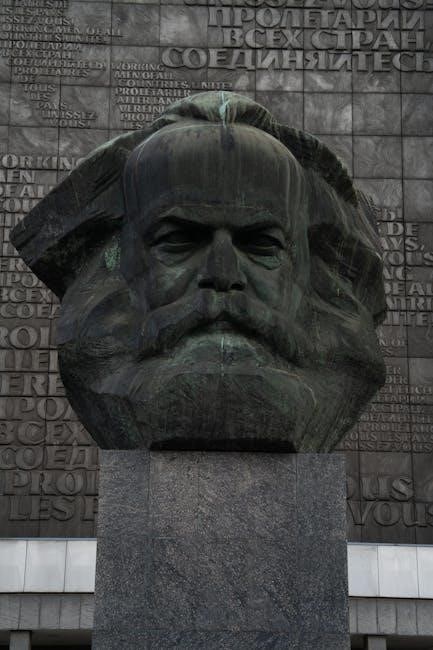
Following economic reforms, Deng Xiaoping’s “Socialism with Chinese Characteristics” emerged, subtly altering textbook narratives to prioritize economic development and national rejuvenation․ This shift is observable in PDF copies from the late 20th and early 21st centuries․
More recently, Xi Jinping’s thought – a blend of socialist ideology, nationalism, and Confucian values – has become increasingly prominent․ Korshunova (2025) emphasizes this evolution, noting how current textbooks actively promote these tenets․ Accessing older PDF editions allows for comparative analysis, demonstrating the deliberate reshaping of ideological content over time, solidifying state control and fostering patriotic sentiment․
Relationship Between Tradition and Current Ideology in Chinese Textbooks
PDF analyses of Chinese textbooks demonstrate a complex interplay between traditional values and contemporary ideology․ While embracing socialist principles, the state strategically incorporates Confucianism, emphasizing social harmony, filial piety, and respect for authority – elements deeply rooted in Chinese history․
This selective appropriation of tradition serves to legitimize current political structures and reinforce national identity․ Examining historical textbook PDF versions reveals a gradual increase in the prominence of traditional themes, particularly since the economic reforms․
Korshunova (2025) highlights how this synthesis isn’t simply preservation, but a reinterpretation of tradition to serve modern ideological goals․ The current emphasis on national rejuvenation, for example, draws heavily on historical narratives of Chinese greatness, presented within a socialist framework, readily available in current PDF resources․

Accessing and Utilizing “Ideology Textbook PDF” Resources
PDF textbooks offer broad access, but require critical evaluation of source credibility and potential biases, considering translation impacts on ideological interpretation․
Locating Reputable Online Sources for PDF Textbooks
Locating reliable PDF textbooks demands careful navigation of the digital landscape․ University library websites often provide access to digitized collections, ensuring academic rigor and vetted content․ Google Scholar can uncover scholarly articles referencing specific textbooks, potentially leading to legitimate online sources․
However, caution is paramount․ Websites offering free downloads should be scrutinized for copyright violations and potential malware․ Prioritize sources affiliated with academic institutions or established publishers․ Consider JSTOR and similar digital libraries, though access may require institutional subscriptions․
Beware of sites promising “free” textbooks without clear provenance; these may contain altered content or lack crucial contextual information․ Always cross-reference information with established academic sources to verify accuracy and identify potential ideological skewing․ Remember, the availability of a PDF doesn’t guarantee its reliability or scholarly merit․
Critical Evaluation of PDF Textbook Content
Critically evaluating PDF textbooks necessitates a discerning approach, recognizing inherent ideological influences․ Examine the author’s background and potential biases, considering the historical context of publication – as seen in Nikolsky’s 1933 work․
Analyze the narrative perspective and polyphony employed; does the text present multiple viewpoints, or a singular, dominant ideology? Scrutinize the selection of facts and the framing of arguments․ Is there evidence of omission or distortion?

Consider how translation choices (Louvill, 2023) might impact ideological interpretation․ Compare the PDF content with other sources to identify discrepancies or omissions․ Assess whether the textbook reflects contemporary political climates or perpetuates outdated perspectives․ Remember, even seemingly objective texts are constructed narratives shaped by underlying ideologies․
Legal and Ethical Considerations When Using PDF Textbooks
Utilizing PDF textbooks demands adherence to copyright laws and ethical academic practices․ Ensure the source is reputable and legally distributes the material; unauthorized downloads constitute infringement․
When analyzing ideologically loaded content, acknowledge the author’s perspective and avoid misrepresentation․ Critically evaluate, but refrain from plagiarism or distortion of original arguments․ Be mindful of potential biases, recognizing that textbooks actively shape understanding (as highlighted by studies of Nikolsky’s work)․
Respect intellectual property rights and cite sources appropriately․ Consider the ethical implications of disseminating potentially biased information; promote informed discussion rather than perpetuating unchallenged ideologies․ Transparency regarding source material is paramount when engaging with PDF resources;

Microsoft Campus as a Reflection of Corporate Ideology
Microsoft’s campus embodies innovation and growth, mirroring a corporate ideology prioritizing technological advancement and a progressive, employee-centric workplace environment․
The Physical Space and its Symbolic Meaning
Microsoft’s 500-acre campus isn’t merely a workplace; it’s a carefully constructed environment communicating core corporate values․ The location, nestled between urban centers, lakes, mountains, and forests, symbolizes a balance between innovation and connection to nature – a subtle endorsement of holistic well-being․
Expansions reflect continuous growth and investment, projecting an image of stability and future-oriented thinking․ The physical layout, with interconnected buildings and open spaces, encourages collaboration and the free flow of ideas, mirroring the company’s emphasis on teamwork․ This deliberate design fosters a sense of community and shared purpose․
Considering ideology textbooks, this campus functions as a tangible manifestation of Microsoft’s internal narrative – a carefully curated space designed to reinforce its corporate identity and attract top talent․ It’s a physical embodiment of the company’s aspirations and beliefs, subtly influencing employee perceptions and external branding․
Microsoft’s Growth and Investment in its Headquarters
Microsoft’s initial move to the Redmond campus in 1986, shortly before its IPO, signifies a pivotal moment of expansion and ambition․ Subsequent, continuous investments in the headquarters demonstrate a long-term commitment to growth and innovation, mirroring a belief in sustained success․
The ongoing development isn’t simply about increasing physical capacity; it’s a strategic investment in attracting and retaining talent, fostering a cutting-edge work environment, and solidifying its position as a tech industry leader․ This commitment parallels the deliberate construction of narratives within ideology textbooks․
Like carefully curated historical accounts, Microsoft’s campus evolution is a story of progress and dominance․ Each expansion reinforces a narrative of continuous improvement and market leadership․ Analyzing this investment through the lens of ideological representation reveals how physical spaces can embody and project corporate beliefs, much like textbooks convey societal values․

Future Trends in Ideology and Textbook Development
Digitalization and emerging ideologies will reshape textbook content, demanding critical PDF analysis; polyphony and narrative shifts will become increasingly prominent․
The Impact of Digitalization on Textbook Ideology
Digitalization fundamentally alters how ideology is presented and consumed through textbooks, particularly in PDF format․ The accessibility of online resources, while democratizing knowledge, simultaneously amplifies the potential for unchecked ideological dissemination․
Previously, centralized control over textbook content allowed for more direct ideological steering; now, a fragmented landscape emerges, requiring heightened critical literacy․ The ease of editing and distributing PDF versions introduces challenges regarding version control and the propagation of altered or biased materials․
Furthermore, interactive digital textbooks can employ multimedia and personalized learning paths, potentially reinforcing or subtly shifting ideological perspectives․ Algorithmic curation of content, common in digital learning platforms, raises concerns about filter bubbles and the reinforcement of existing biases․ Critical evaluation of PDF textbook content, therefore, becomes paramount in navigating this evolving landscape․
Emerging Ideologies and their Potential Representation in Textbooks
Contemporary textbooks, including those accessed as PDFs, face the challenge of representing emerging ideologies alongside established ones․ Concepts like post-colonialism, intersectionality, and environmentalism are increasingly demanding inclusion, often challenging traditional narratives․
However, the representation of these ideologies is rarely neutral․ Textbook authors and publishers navigate complex political climates, potentially leading to selective inclusion or framing that reinforces dominant perspectives․ The availability of diverse PDF resources allows for alternative viewpoints, but requires diligent source evaluation․
Furthermore, the rise of digital platforms enables the rapid dissemination of new ideological frameworks, potentially outpacing the slower revision cycles of traditional textbooks․ Analyzing polyphony and narrative perspectives within PDF content becomes crucial for discerning underlying ideological biases and promoting critical thinking․