
Schumacher Battery Charger Manual PDF Download: A Comprehensive Guide
Navigating Schumacher charger documentation is now easier! Find essential owner’s manuals, including the SE-1-12S, in PDF format for safe and effective battery maintenance.
Understanding Schumacher Battery Chargers
Schumacher has long been a trusted name in automotive battery chargers and accessories, offering a diverse range of products for various battery types and charging needs. These chargers are designed to provide reliable power and maintain battery health, extending its lifespan. Understanding the specific features of your Schumacher charger, as detailed in its manual, is crucial for optimal performance and safety.
From basic manual chargers to advanced automatic models with maintenance modes, Schumacher caters to both casual users and professional mechanics. Proper usage, guided by the owner’s manual, ensures efficient charging and prevents potential damage to both the charger and the battery itself. Knowing your charger’s capabilities is key.
Popular Schumacher Charger Models
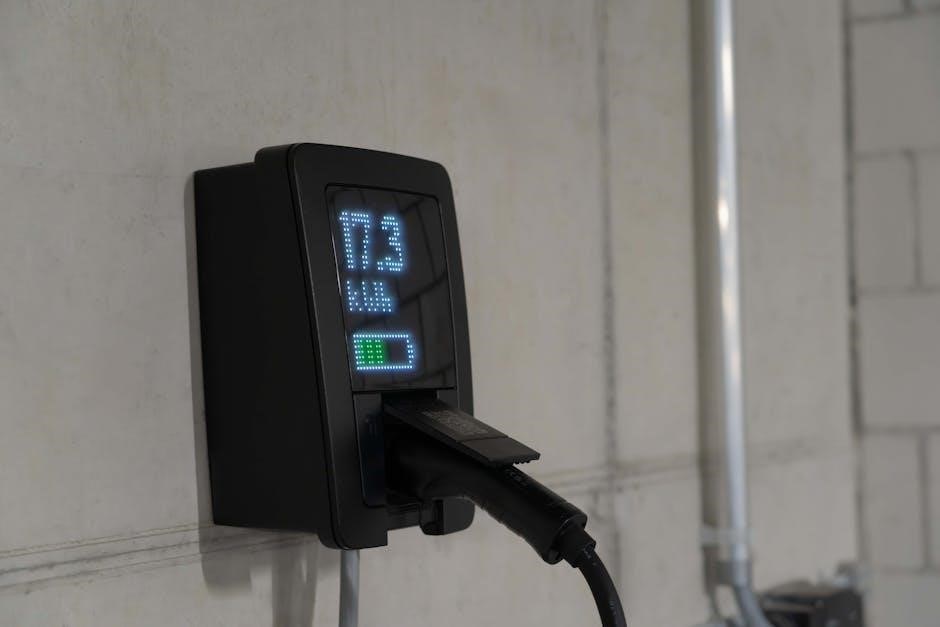
Schumacher offers a wide array of battery chargers, with several models consistently gaining popularity among users. The SE-1-12S automatic battery charger/maintainer is frequently sought after for its ease of use and versatility. Minn Kota onboard DC alternator chargers (MK-1-DC, MK-2-DC, MK-3-DC) are popular for marine applications. Other frequently used models include those designed for specific battery types like AGM and gel batteries.
Each model boasts unique features and charging capabilities, making it essential to consult the corresponding owner’s manual for detailed instructions. Understanding the specific model number ensures you’re utilizing the correct charging procedures and safety precautions.
Finding the Correct Manual
Locating the right manual for your Schumacher charger is crucial for safe and effective operation. Several avenues exist for finding these resources. Begin by identifying your charger’s exact model number, typically found on a label affixed to the unit itself. Once you have this, you can initiate a targeted search online. Numerous websites archive PDF manuals for various products, including Schumacher chargers.
Always prioritize official sources to ensure accuracy and completeness. Cross-referencing information from multiple sources can also be beneficial.
Searching Online for PDF Manuals
Initiating an online search for your Schumacher battery charger’s PDF manual is straightforward. Utilize search engines like Google, Bing, or DuckDuckGo, employing specific keywords. Combine “Schumacher,” your charger’s model number (e.g., “SE-1-12S”), and “manual PDF.” Refine your search using filters to prioritize PDF documents. Be cautious when downloading from unfamiliar websites; prioritize reputable sources to avoid malware.
Review the search results carefully, verifying the manual corresponds to your specific model before downloading. Several third-party databases also compile manuals.
Schumacher’s Official Website
The most reliable source for your Schumacher battery charger manual is Schumacher’s official website. Navigate to their support or resources section, often featuring a dedicated manual download area. Input your charger’s model number into the search bar to quickly locate the corresponding PDF document. This ensures you receive the most accurate and up-to-date version, directly from the manufacturer.
Downloading from the official site minimizes the risk of encountering outdated or incorrect manuals found on other platforms, guaranteeing compatibility and safety.
Third-Party Manual Databases

Numerous online databases compile manuals for various products, including Schumacher battery chargers. While convenient, exercise caution when using these resources. Verify the manual’s authenticity and model number against your specific charger to ensure accuracy. Websites may host outdated or incorrect versions, potentially leading to improper usage.
Popular options include manualslib and similar platforms, but always cross-reference information with Schumacher’s official website whenever possible for the most reliable guidance and safety instructions.
Safety Precautions When Using a Schumacher Charger

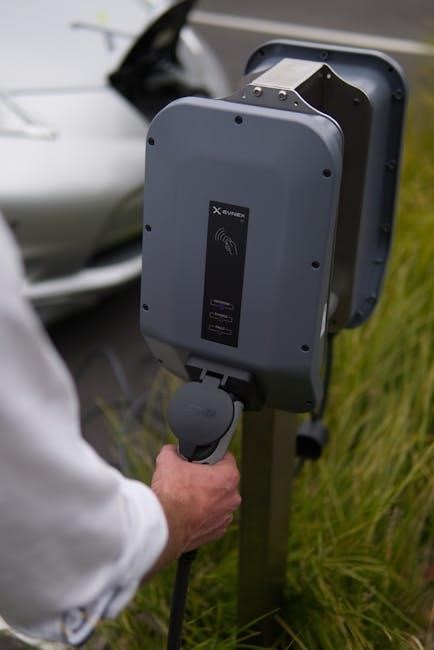
Prioritizing safety is crucial when operating a Schumacher battery charger. Always review the owner’s manual thoroughly before use, paying close attention to all warnings and instructions. Ensure adequate ventilation during charging, as batteries can release explosive gases. Never charge a damaged battery or attempt to modify the charger in any way.
Wear appropriate eye protection and avoid contact with battery acid. Disconnect the charger before connecting or disconnecting the battery, and always observe correct polarity.
General Safety Warnings
Exercise extreme caution when working with battery chargers and batteries. Improper use can result in fire, explosion, or serious injury. Never operate the charger in a confined space without proper ventilation. Keep sparks, flames, and smoking materials away from the battery during charging.
Always disconnect the charger from the AC power source before making any connections or disconnections. Do not attempt to charge non-rechargeable batteries. Inspect cables and clamps regularly for damage, and replace them if necessary.
Battery Safety Guidelines
Batteries contain corrosive acid; always wear eye protection (safety glasses or a face shield) and gloves when handling them. Avoid contact with skin, clothing, and eyes. If contact occurs, immediately flush the affected area with plenty of water and seek medical attention.
Never charge a frozen battery. If a battery is frozen, allow it to thaw completely before attempting to charge it. Ensure proper ventilation during charging to prevent the buildup of explosive hydrogen gas. Dispose of old batteries responsibly, following local regulations.
Charging Procedures: A Step-by-Step Guide
Begin by connecting the charger’s positive (red) clamp to the battery’s positive terminal, and the negative (black) clamp to the battery’s negative terminal. Ensure a secure connection to avoid sparks. Select the appropriate charging mode – automatic or manual – based on your battery type and condition.
Initiate the charging process and monitor the amperage and voltage readings. Regularly check for overheating or unusual smells. Once fully charged, disconnect the negative clamp first, then the positive clamp.
Connecting the Charger to the Battery
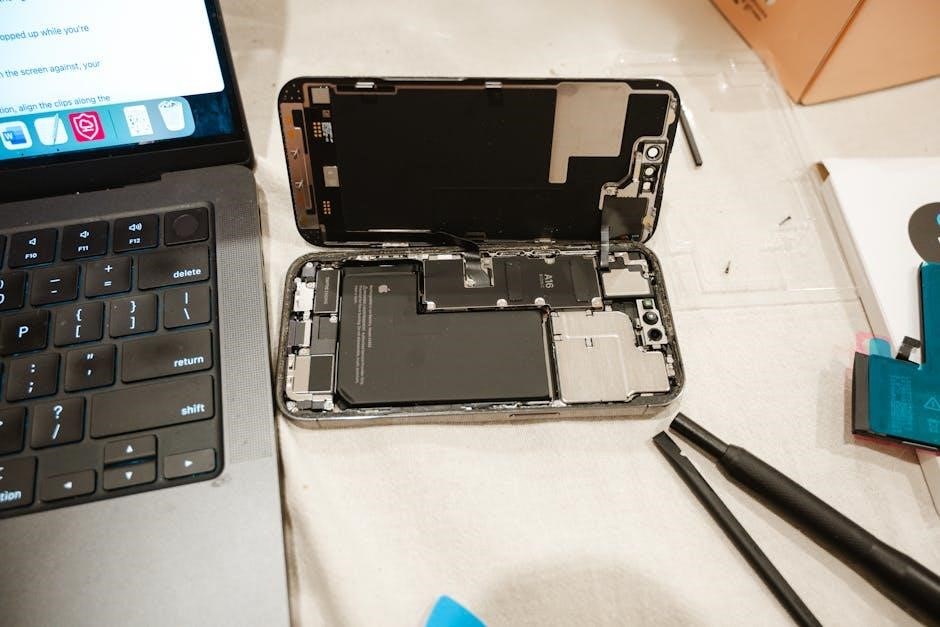
Prioritize safety: always wear eye protection. Begin by positioning the Schumacher charger near the battery, ensuring adequate ventilation. Attach the red, positive (+) clamp to the battery’s positive terminal, marked with a “+” symbol. Subsequently, connect the black, negative (-) clamp to the battery’s negative terminal, indicated by a “-” symbol.
Verify secure connections to prevent sparking. If the battery is installed in a vehicle, disconnect the negative terminal first before connecting the charger. A firm grip is crucial for optimal charging.

Selecting the Correct Charging Mode
Refer to your charger’s manual for specific mode guidance. Schumacher chargers often feature multiple modes – automatic, manual, and maintenance. Automatic mode is ideal for most lead-acid batteries, adjusting charge rates as needed. Manual mode allows for customized voltage and amperage settings, suited for experienced users.
Maintenance mode provides a trickle charge to keep a fully charged battery topped off. Selecting the wrong mode can damage the battery; always confirm compatibility before initiating the charging process.
Monitoring the Charging Process
Regularly check the battery’s voltage and the charger’s indicators during charging. Most Schumacher chargers display charging status – fast charge, slow charge, or maintenance. Avoid overcharging, as it can reduce battery life and potentially cause damage. Observe for any unusual noises, smells, or excessive heat emanating from the battery or charger.
If issues arise, immediately disconnect the charger and consult the manual for troubleshooting steps. Consistent monitoring ensures a safe and effective charging experience.
Troubleshooting Common Issues
Facing problems with your Schumacher charger? If the charger won’t power on, verify the power cord connection and check the fuse. A battery failing to charge could indicate reversed polarity, a faulty connection, or a damaged battery itself. Consult the manual for specific error codes; these provide valuable diagnostic information.
Remember a dead battery is a common issue! Always double-check connections and battery compatibility before assuming a charger malfunction. Refer to the PDF manual for detailed solutions.
Charger Not Turning On
Is your Schumacher charger unresponsive? First, ensure the power cord is securely plugged into a working outlet. Next, inspect the charger’s fuse – a blown fuse is a frequent cause of this issue. Consult your charger’s PDF manual for the fuse location and replacement instructions. If the fuse is intact, the problem might lie within the internal circuitry.
Before seeking repair, double-check the power switch and any safety interlocks. A dead battery can sometimes mimic a charger failure, so verify battery voltage.
Battery Not Charging
Experiencing issues with your battery failing to charge? Confirm the charger clamps are making firm, clean contact with the battery terminals. Corrosion or loose connections are common culprits. Verify you’ve selected the correct charging mode and voltage setting for your battery type – lead-acid, AGM, or gel.
Refer to your Schumacher charger’s manual PDF for specific guidance. A severely discharged battery may take time to register a charge. If problems persist, check the battery’s health; it might be beyond recovery.
Error Codes and Their Meanings
Decoding error messages on your Schumacher charger is crucial for troubleshooting. Your charger’s manual PDF will detail specific error codes and their corresponding issues. Common codes might indicate reversed polarity (incorrect clamp connections), a faulty battery, or an overvoltage situation.
Consult the manual to understand the precise meaning of each code displayed. Ignoring error codes can lead to further damage to the battery or the charger itself. Always disconnect the charger before investigating any error.
Understanding Charger Features
Schumacher chargers boast diverse features enhancing battery care. Automatic chargers adjust charging rates based on battery condition, while manual models require user-defined settings. Maintenance mode provides a trickle charge to counteract self-discharge, keeping batteries topped off.
Voltage and amperage settings are vital; consult your manual PDF to match these to your battery’s specifications. Understanding these features, detailed within the downloadable manual, ensures optimal charging and extends battery lifespan, preventing damage from over or undercharging.
Automatic vs. Manual Chargers
Schumacher offers both automatic and manual battery chargers, each with distinct advantages. Automatic chargers simplify the process, detecting battery voltage and adjusting charge rates accordingly – ideal for beginners. Manual chargers grant greater control, allowing users to set specific voltage and amperage levels.
The downloadable PDF manual clarifies which model you possess and details the appropriate settings. Choosing the right charger depends on your experience and battery type; automatic is convenient, while manual offers precision.
Maintenance Mode Explained
Schumacher’s maintenance mode is a crucial feature for long-term battery health. Once a battery is fully charged, this mode switches to a trickle charge, compensating for self-discharge and keeping the battery at optimal voltage. This prevents sulfation, a common cause of battery failure during storage.
Your Schumacher charger’s PDF manual will detail how to activate and verify maintenance mode. It’s perfect for seasonal vehicles or equipment stored for extended periods, ensuring a ready-to-use battery when needed.
Voltage and Amperage Settings
Understanding voltage and amperage is key to safe and effective charging. Your Schumacher charger’s manual details specific settings for different battery types – 6V or 12V are common. Amperage dictates the charging speed; higher amperage charges faster but can overheat batteries.
Always consult the battery manufacturer’s recommendations and your charger’s PDF manual to select the correct settings. Incorrect settings can damage the battery or even pose a safety risk. Proper adjustment ensures optimal performance and longevity.
Battery Types and Compatibility
Schumacher chargers offer versatility, but compatibility is crucial. Lead-acid batteries are universally supported, encompassing standard car batteries. Many modern chargers also handle AGM (Absorbent Glass Mat) and Gel batteries, common in motorcycles and UPS systems.
However, Lithium-ion charging requires specific chargers – verify your Schumacher model’s capabilities via the PDF manual. Using the wrong charger type can cause damage or create a safety hazard. Always cross-reference your battery type with the charger’s specifications before connecting.
Lead-Acid Batteries
Lead-acid batteries remain the most prevalent type in vehicles and various applications. Schumacher chargers are inherently designed to effectively charge these batteries, offering various charging modes like trickle charge and fast charge. The PDF manual details specific voltage and amperage settings for optimal lead-acid battery maintenance.
Proper charging extends battery life and ensures reliable starting power. Always consult the manual for recommended charging times based on the battery’s state of discharge and capacity. Regular maintenance, guided by the manual, is key.
AGM and Gel Batteries
AGM (Absorbent Glass Mat) and Gel batteries are valve-regulated lead-acid (VRLA) types, increasingly common in powersports and backup systems. Schumacher chargers often feature dedicated modes for these batteries, crucial as they require different charging profiles than traditional flooded lead-acid.
The charger’s PDF manual will specify the correct voltage and current settings to prevent overcharging or undercharging, which can damage these sensitive battery types. Utilizing the appropriate AGM or Gel setting ensures optimal performance and longevity.
Lithium-Ion Battery Charging (If Applicable)
Modern Schumacher chargers may include compatibility for Lithium-Ion (Li-ion) batteries, though this is less common. If your charger supports Li-ion, the manual will explicitly state this and detail the specific charging procedure. Li-ion batteries demand precise voltage control and charging algorithms to avoid damage, fire risk, or reduced lifespan.
Always consult the manual before attempting to charge a Li-ion battery. Incorrect settings can be catastrophic. The PDF will outline the correct mode selection and any necessary safety precautions for this battery chemistry.
Maintaining Your Schumacher Charger
Proper maintenance ensures your Schumacher charger’s longevity and optimal performance. Regularly inspect the charging cables and clamps for any signs of wear, cracks, or corrosion – replace damaged components immediately. Keep the charger clean and dry; wipe down the casing with a damp cloth, avoiding any water ingress into the internal components.
Store the charger in a cool, dry place when not in use, protecting it from extreme temperatures and humidity. Refer to your specific model’s PDF manual for detailed cleaning and storage instructions.
Cleaning and Storage
Maintaining a clean Schumacher charger is crucial for reliable operation. Disconnect the charger from the power source before cleaning. Use a damp cloth to wipe down the exterior casing, removing any dirt or debris. Avoid using harsh chemicals or solvents, as these can damage the plastic components.
For storage, choose a cool, dry location away from direct sunlight and extreme temperatures. Ensure the cables are neatly coiled and stored to prevent damage. Consult your charger’s PDF manual for specific storage recommendations tailored to your model.
Inspecting Cables and Clamps
Regularly inspect the charger’s cables and clamps for any signs of damage. Look for cracks, fraying, or corrosion on the cables. Ensure the clamps are clean and securely attached, providing a solid connection to the battery terminals. Damaged cables or clamps can compromise charging efficiency and pose a safety hazard.
If damage is detected, immediately discontinue use and replace the affected components. Refer to your Schumacher charger’s PDF manual for guidance on obtaining replacement parts. Prioritize safety by maintaining well-maintained cables and clamps for optimal performance.
Resources for Additional Support
Need further assistance with your Schumacher battery charger? Schumacher provides dedicated customer support to address your questions and concerns. Explore online forums and communities where users share experiences and troubleshooting tips. These platforms offer valuable insights and solutions to common issues.
Don’t hesitate to reach out to Schumacher directly for expert guidance. Utilizing these resources ensures you can maximize the lifespan and performance of your charger, maintaining optimal battery health. Remember to have your model number readily available when contacting support.
Schumacher’s Customer Support
For direct assistance with your Schumacher battery charger, reaching out to their customer support team is highly recommended. They offer expert guidance on manual interpretation, troubleshooting, and charger operation. Having your specific model number readily available will expedite the support process, allowing them to provide tailored solutions.
Schumacher’s support channels are designed to ensure a positive user experience. Expect knowledgeable representatives prepared to address your concerns efficiently and effectively, maximizing your charger’s performance and longevity.
Online Forums and Communities
Beyond official channels, a wealth of information exists within online forums and communities dedicated to automotive maintenance and battery charging. These platforms host discussions where users share experiences, troubleshooting tips, and insights regarding Schumacher chargers.
Engaging with these communities can provide practical solutions to common issues and offer alternative perspectives on manual instructions. Searching for specific model numbers or error codes often reveals valuable threads with user-generated solutions and advice, supplementing official documentation.
PDF Manual Download Links (Examples)
Locating specific manuals can be streamlined with direct links. While availability fluctuates, several websites archive owner’s manuals for various Schumacher models. For instance, resources may host PDFs for the SE-1-12S Automatic Battery Charger/Maintainer, offering detailed instructions.
Furthermore, Minn Kota onboard DC alternator battery charger manuals (MK-1-DC, MK-2-DC, MK-3-DC) are sometimes cross-referenced as relevant examples of similar charging system documentation. Always verify the manual corresponds to your exact model number before use.
Warranty Information
Schumacher battery chargers typically come with a limited warranty, protecting against manufacturing defects; The duration and specific coverage vary by model and purchase date; therefore, consulting your product’s documentation is crucial. Retain your proof of purchase, as it’s often required for warranty claims.
Warranty terms generally cover defects in materials or workmanship under normal use. Damage resulting from misuse, accidents, or unauthorized modifications are usually excluded. Review the full warranty details within your charger’s manual or on Schumacher’s official website for complete information.
Related Battery Maintenance Tips
Prolong your battery’s life by regularly checking for corrosion on terminals and cleaning them with a baking soda solution. Ensure proper ventilation during charging to prevent hydrogen gas buildup. For vehicles stored long-term, utilize a battery maintainer to prevent sulfation and discharge.
Regularly inspect cables and clamps for damage, replacing them as needed. Consider testing battery health periodically with a voltmeter or load tester. Proper maintenance, alongside a Schumacher charger, ensures reliable starting and extends battery lifespan, saving you money and hassle.