
Trader Joe’s Brown Rice Instructions: A Comprehensive Guide
Navigating Trader Joe’s brown rice options requires understanding varieties, cooking methods, and ideal water ratios for fluffy, flavorful results every single time.
Understanding Trader Joe’s Brown Rice Varieties
Trader Joe’s consistently offers a selection of brown rice catering to diverse culinary preferences. Beyond the standard long and short grain options, they frequently stock unique varieties like Brown Basmati and Brown Jasmine rice. Recognizing these distinctions is crucial for optimal cooking. Long grain brown rice tends to remain firmer and more separate after cooking, making it ideal for pilafs or side dishes where distinct grains are desired.
Conversely, short grain brown rice boasts a stickier texture, lending itself well to dishes like rice pudding or sushi. The aromatic Brown Basmati and Jasmine varieties infuse meals with a fragrant, floral essence. Understanding these textural and flavor profiles allows cooks to select the perfect rice for their intended recipe, ensuring a delightful dining experience.
Types of Brown Rice Available at Trader Joe’s
Trader Joe’s typically carries several types of brown rice, offering customers varied choices. The most common is Long Grain Brown Rice, a versatile staple suitable for numerous dishes. Short Grain Brown Rice is also frequently available, prized for its slightly sticky texture. For those seeking aromatic options, Trader Joe’s often stocks Brown Basmati Rice, known for its nutty flavor and fragrance, and Brown Jasmine Rice, offering a similar floral aroma.
Occasionally, seasonal or limited-edition brown rice blends appear. Availability can vary by location and time of year, so checking your local store is recommended. These diverse options allow shoppers to tailor their rice selection to specific recipes and flavor preferences, enhancing their culinary creations.
Cooking Methods for Trader Joe’s Brown Rice
Trader Joe’s brown rice can be prepared using several methods, each yielding slightly different results. The classic Stovetop Cooking Instructions involve simmering rice and water in a pot, requiring careful attention to timing and liquid levels. A Rice Cooker Method offers convenience, automating the process for consistently fluffy rice. For quicker cooking, the Instant Pot Instructions provide a pressure-cooking solution, significantly reducing cooking time.
Each method demands specific water-to-rice ratios and cooking durations, depending on the rice variety. Choosing the best method depends on your schedule and desired texture. Experimenting with these techniques allows you to discover your preferred approach to preparing Trader Joe’s brown rice.
Stovetop Cooking Instructions
To cook Trader Joe’s brown rice on the stovetop, begin by rinsing the rice under cold water until the water runs clear. In a medium saucepan, combine one cup of brown rice with two and a half cups of water. Bring the mixture to a boil, then reduce heat to low, cover, and simmer for 45-50 minutes, or until all the water is absorbed.
Avoid lifting the lid during cooking to maintain consistent steam. Once cooked, remove from heat and let stand, covered, for 10 minutes. Fluff with a fork before serving. This method requires attention but delivers reliably delicious results, especially for varieties like Brown Jasmine or Basmati.
Rice Cooker Method
Using a rice cooker simplifies cooking Trader Joe’s brown rice significantly. Rinse one cup of brown rice under cold water until the water is clear. Add the rinsed rice to the rice cooker and add two and a half cups of water. Close the lid and select the “brown rice” setting on your cooker.
Most rice cookers will automatically adjust cooking time and temperature. Once the cycle is complete, let the rice stand, covered, for 10-15 minutes before fluffing with a fork. This method is incredibly convenient and ensures consistently perfect brown rice with minimal effort, ideal for busy weeknights.
Instant Pot Instructions
The Instant Pot offers a remarkably quick and efficient way to cook Trader Joe’s brown rice. Begin by rinsing one cup of brown rice; Combine the rinsed rice with one and a half cups of water in the Instant Pot. Secure the lid, ensuring the valve is set to sealing. Select the “Manual” or “Pressure Cook” setting and set the timer for 22-25 minutes.
After the cooking cycle completes, allow for a natural pressure release for 10 minutes, then manually release any remaining pressure. Fluff the rice with a fork before serving. This method yields tender, perfectly cooked brown rice in a fraction of the stovetop time.
Specific Cooking Times for Different Varieties
Trader Joe’s offers a delightful selection of brown rice, each with unique cooking requirements. Understanding these nuances is key to achieving optimal texture and flavor. Long grain brown rice generally requires around 45-50 minutes of simmering on the stovetop, while short grain varieties typically cook in 40-45 minutes.
Notably, Trader Joe’s Brown Basmati rice demands a slightly shorter cooking time, usually between 35-40 minutes when prepared on the stovetop. Always refer to package instructions as a starting point, and adjust cooking times based on your preference for firmness. Consistent results come with practice!
Trader Joe’s Long Grain Brown Rice
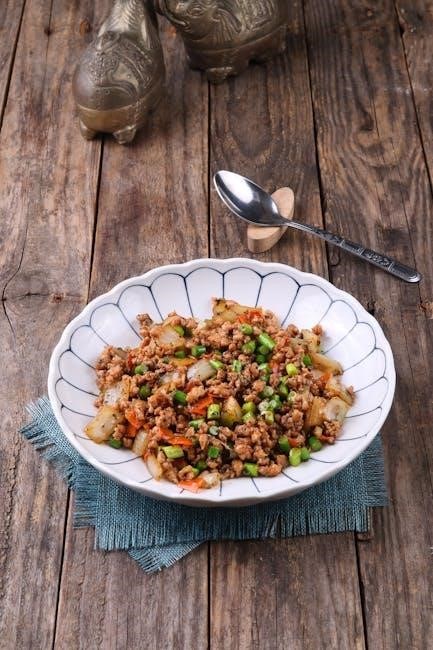
For Trader Joe’s Long Grain Brown Rice, a classic choice, the stovetop method typically requires a 45-50 minute simmer after bringing to a boil. A standard water-to-rice ratio of 2:1 is recommended – two cups of water for every one cup of rice. Ensure a tight-fitting lid is used to trap steam, crucial for even cooking.
Alternatively, a rice cooker simplifies the process, often completing the task in approximately 50-55 minutes. Remember to rinse the rice before cooking to remove excess starch, contributing to a fluffier final product. Adjust cooking time slightly based on desired tenderness.
Trader Joe’s Short Grain Brown Rice
Trader Joe’s Short Grain Brown Rice, known for its slightly stickier texture, benefits from a slightly adjusted approach. Stovetop cooking generally takes around 40-45 minutes, maintaining the 2:1 water-to-rice ratio. However, some cooks prefer a 1.75:1 ratio for a less sticky result. Consistent simmering on low heat is key.
When using a rice cooker, the timing is similar, around 45-50 minutes. Short grain rice absorbs water more readily, so monitoring the water level isn’t usually necessary. Rinsing is still recommended. This variety is excellent for dishes where a bit of cling is desirable, like rice pudding.
Trader Joe’s Brown Basmati Rice Cooking Time
Trader Joe’s Brown Basmati Rice requires a specific cooking time to achieve its fragrant, fluffy texture. Stovetop cooking typically takes 35-40 minutes. A crucial step is a 30-minute soak prior to cooking; this significantly improves the final texture. Maintaining a 2:1 water-to-rice ratio is recommended for optimal results.
For a rice cooker, use the same water ratio and a cooking time of approximately 40-45 minutes. The basmati grain is longer and thinner, needing slightly less time than short-grain varieties. Avoid lifting the lid during cooking to retain steam and ensure even cooking.
Water to Rice Ratio Recommendations
Achieving perfectly cooked Trader Joe’s brown rice hinges on the correct water-to-rice ratio. Generally, a 2:1 ratio – two cups of water for every one cup of rice – is a solid starting point. However, slight adjustments may be needed based on the specific variety and your preferred texture.
For fluffier rice, reduce the water to 1 ¾ cups per cup of rice. If you prefer a softer consistency, increase it to 2 ¼ cups. Soaking the rice for 30 minutes before cooking can also influence the required water amount, potentially allowing for a slightly reduced ratio. Experimentation is key to finding your ideal balance!
Tips for Perfectly Cooked Brown Rice
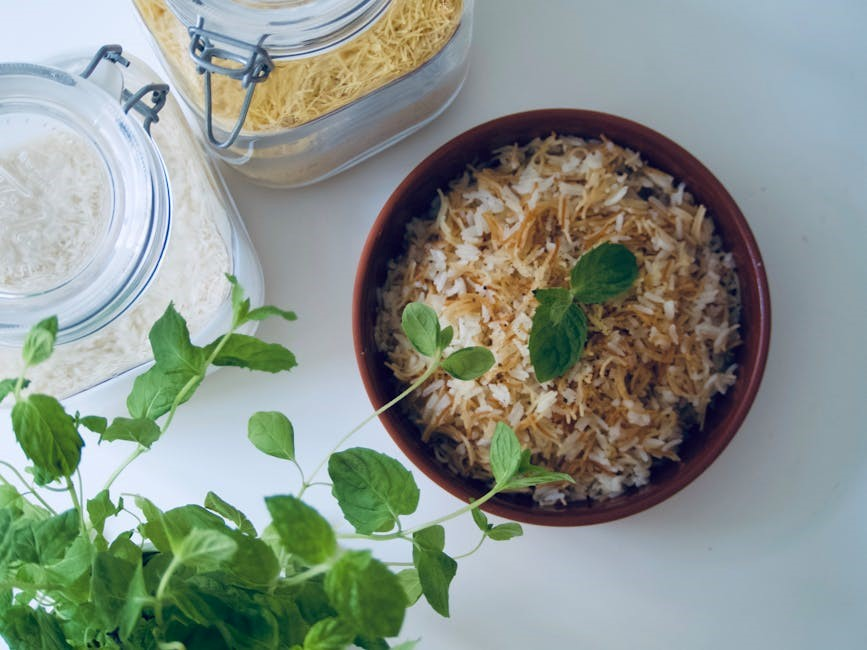
To elevate your Trader Joe’s brown rice game, consider a pre-cooking soak. Submerging the rice in water for 30 minutes to an hour helps soften the grains, resulting in a more even and tender texture. Don’t discard the soaking water; use it for cooking!
Seasoning is another crucial step. Beyond salt, explore adding a bay leaf, a pat of butter, or a drizzle of olive oil to the cooking water for enhanced flavor. For a richer taste, substitute some water with broth. Remember, gentle simmering, not a rapid boil, is the key to preventing sticking and ensuring even cooking.
Soaking the Rice Before Cooking
Soaking Trader Joe’s brown rice is a simple yet impactful technique for achieving superior texture. By submerging the rice in cool water for at least 30 minutes, and ideally up to an hour, you initiate the hydration process. This allows the grains to absorb moisture, leading to a more even and fluffy final product.
Don’t discard the soaking water! It contains valuable starches that contribute to the rice’s creaminess. Utilize this water during the cooking process, reducing the amount of fresh water needed. Soaking also helps reduce cooking time and can improve digestibility, making it a worthwhile step for consistently perfect brown rice.
Seasoning Options for Enhanced Flavor
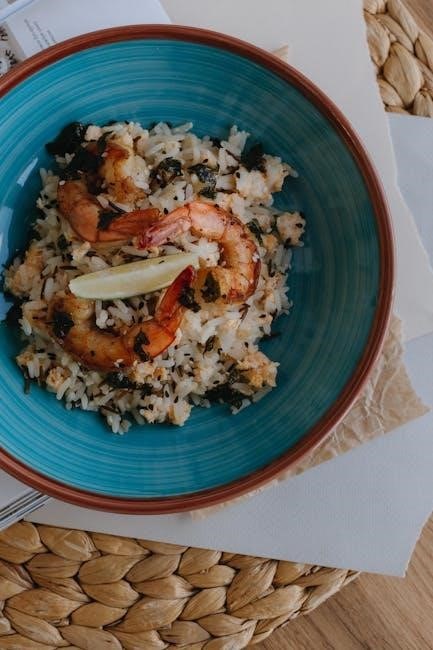
Elevate your Trader Joe’s brown rice beyond the ordinary with thoughtful seasoning! A pinch of salt during cooking is essential, but don’t stop there. Consider adding a bay leaf to the cooking water for subtle aromatic depth. For Asian-inspired dishes, a splash of soy sauce or a knob of ginger infuses umami.
Trader Joe’s Everything But the Bagel Sesame Seasoning Blend is a fantastic all-purpose addition. Experiment with herbs like thyme or rosemary, or a dash of turmeric for color and health benefits. A swirl of butter or a drizzle of olive oil post-cooking adds richness; Don’t be afraid to get creative!
Troubleshooting Common Issues
Even with careful measurements, brown rice can sometimes present challenges. Rice is Too Mushy? You likely used too much water or cooked it for too long. Next time, reduce the water slightly or shorten the cooking time. Rice is Too Hard? The opposite is true – not enough water or insufficient cooking. Add a splash of water and continue cooking, covered, for a few more minutes.
Remember, altitude can affect cooking times, requiring adjustments. A slightly longer soaking period can also help with even cooking. Don’t stir excessively during cooking, as this releases starch and can lead to stickiness.
Rice is Too Mushy
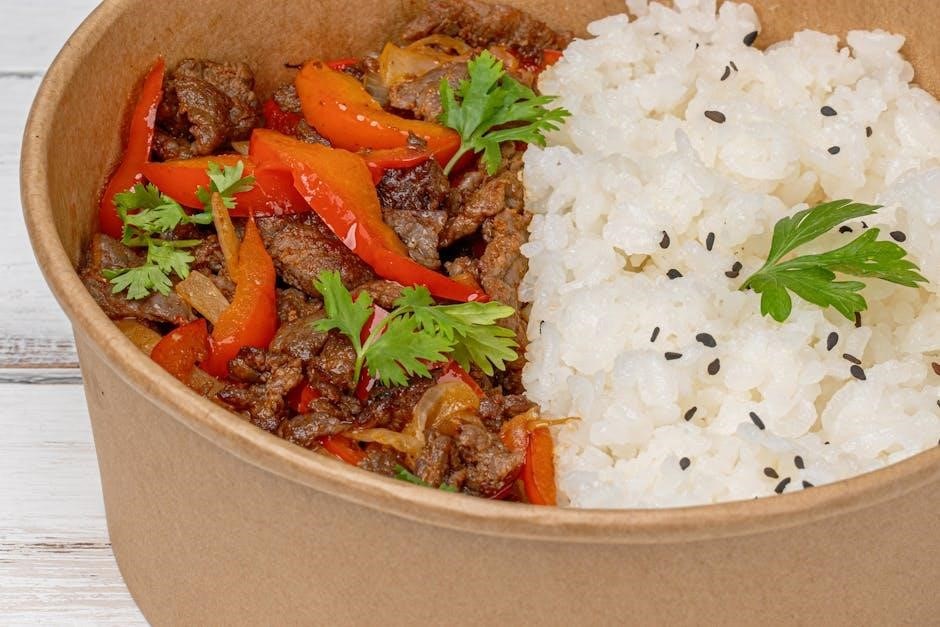
If your Trader Joe’s brown rice turns out mushy, don’t despair! The most common culprit is an excess of water during the cooking process. For future attempts, try reducing the water-to-rice ratio by a tablespoon or two. Alternatively, the cooking time might have been too extended.
Next time, check for doneness a few minutes earlier than the recommended time. Gently fluffing the rice with a fork can help release some excess moisture. Avoid stirring vigorously, which can exacerbate the mushiness. Remember, different varieties may require slightly different adjustments.
Rice is Too Hard
Encountering hard brown rice from Trader Joe’s is a common issue, usually stemming from insufficient cooking time or inadequate water. If the rice remains firm after the suggested cooking duration, add a small amount of water – about ¼ cup – and continue simmering for another 5-10 minutes. Ensure the heat is at a gentle simmer, not a vigorous boil.
Consider soaking the rice for 30 minutes before cooking; this helps initiate the softening process. Also, verify your pot has a tight-fitting lid to trap steam. Different rice varieties may necessitate adjustments to cooking time and water ratios, so experimentation is key!
Nutritional Information of Trader Joe’s Brown Rice
Trader Joe’s brown rice is a nutritional powerhouse, offering a wealth of health benefits. A one-cup cooked serving typically contains around 216 calories, with 45 grams of carbohydrates, 5 grams of protein, and less than 2 grams of fat. It’s an excellent source of manganese, magnesium, selenium, and fiber.
Brown rice retains its bran and germ layers, providing significantly more fiber and nutrients compared to white rice. This fiber aids digestion, promotes satiety, and helps regulate blood sugar levels. It’s also a good source of complex carbohydrates, offering sustained energy release. Choosing Trader Joe’s brown rice supports a balanced and healthy diet.
Trader Joe’s Brown Rice and Dietary Considerations
Trader Joe’s brown rice naturally aligns with several popular dietary needs and preferences. It is inherently gluten-free, making it suitable for individuals with celiac disease or gluten sensitivities. Furthermore, brown rice is a plant-based food, classifying it as vegan and vegetarian-friendly.
Those following a whole-food, plant-based diet will find it a staple ingredient. It’s also a good choice for those monitoring their carbohydrate intake, offering complex carbs over refined options. Individuals with diabetes may benefit from its fiber content, aiding in blood sugar management. Always check packaging for potential cross-contamination if allergies are a concern.
Gluten-Free and Vegan Suitability
Trader Joe’s brown rice is an excellent choice for those adhering to gluten-free and vegan lifestyles. Naturally, brown rice does not contain gluten, a protein found in wheat, barley, and rye, making it safe for individuals with celiac disease or gluten intolerance. As a whole grain derived directly from the rice plant, it fits seamlessly into a vegan diet, avoiding all animal products and by-products.
This makes it a versatile base for numerous plant-based meals. It’s crucial to verify the packaging for any potential cross-contamination during processing, especially for those with severe allergies. Trader Joe’s generally maintains clear labeling, but double-checking ensures peace of mind.
Storing Cooked Brown Rice
Proper storage is vital to maintain the quality and safety of cooked Trader Joe’s brown rice. Allow the rice to cool completely before storing it in an airtight container. Refrigerate promptly, within one to two hours of cooking, to prevent bacterial growth. Properly refrigerated, cooked brown rice will remain safe to consume for approximately four to six days.
For longer storage, freezing is an excellent option. Portion the rice into freezer-safe containers or bags, removing as much air as possible. Frozen cooked brown rice can last for up to six months, though quality may slightly diminish over time. Always reheat thoroughly before serving.
Trader Joe’s Brown Rice: Price Comparison
Trader Joe’s generally offers competitive pricing on its brown rice varieties compared to other grocery stores. A standard bag of Trader Joe’s Long Grain Brown Rice typically costs around $3.99, while the Basmati and Jasmine varieties are similarly priced. This is often lower than comparable organic or specialty brown rice options at stores like Whole Foods or Kroger.
However, prices can fluctuate slightly based on location and promotional offers. Customers frequently note that Trader Joe’s provides excellent value, especially considering the quality of their products. Comparing unit prices (price per ounce) is always recommended to ensure the best deal.
Customer Reviews and Feedback on Trader Joe’s Brown Rice
Customer feedback on Trader Joe’s brown rice is overwhelmingly positive, with many praising its consistent quality and taste. Shoppers frequently mention the rice cooks up fluffy and flavorful, making it a staple in their kitchens. The convenience of pre-packaged options also receives high marks.
Some reviewers highlight the affordability, especially compared to organic brands elsewhere. A common sentiment is the “Trader Joe’s vibe” extends to their rice – a reliable, enjoyable product. However, a few users suggest carefully monitoring cooking times to avoid a mushy texture, emphasizing the importance of following package instructions.
Beyond Basic Cooking: Recipe Ideas with Trader Joe’s Brown Rice
Trader Joe’s brown rice serves as a fantastic base for diverse culinary creations! Consider a vibrant Buddha bowl with roasted vegetables, edamame, and a tahini dressing. For a heartier meal, create a flavorful jambalaya with Andouille sausage and Creole seasoning.
Brown rice also excels in stuffed pepper recipes or as a side dish with grilled salmon and asparagus. Explore Mediterranean flavors by combining it with chickpeas, feta, and lemon-herb vinaigrette. Don’t forget simple stir-fries with Trader Joe’s frozen vegetables and your favorite sauce – the possibilities are truly endless!